In the debate over legalizing pot, Shapiro favors cents over sense
It may be “uncool” to say it, but marijuana is harmful, and allowing its sale and use is a bad idea.
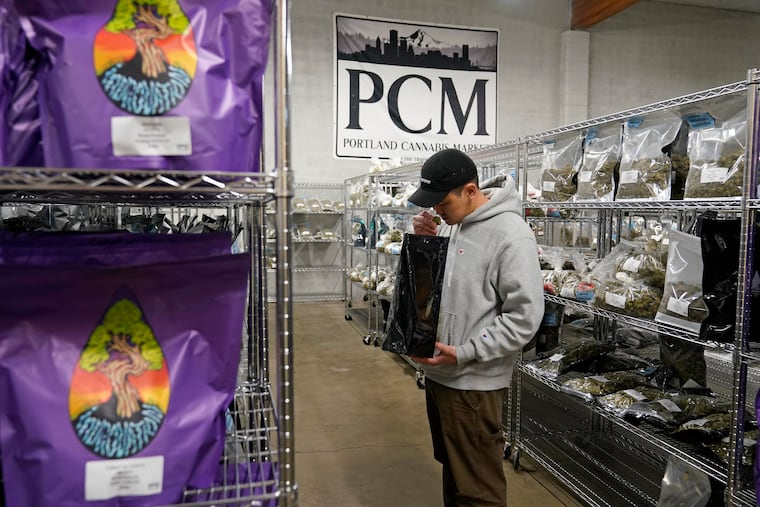
For the third year in a row, Gov. Josh Shapiro has anticipated a sizable amount of money in his state budget plan from the fees and taxes generated by the sale of legalized recreational marijuana for use by adults.
The governor has avoided any references to the mounting evidence about the harmful effects of the use of cannabis, especially among young people. Instead, he publicly argues that the commercialization of cannabis is a “commonsense act” to keep Pennsylvania economically competitive with New Jersey, Delaware, and New York, which have all tapped into marijuana sales as a prime source of revenue, while expunging past criminal records for its illegal possession or trafficking.
The Democrats are all in for adding yet another addictive and hazardous “controlled” substance to our state. In the past, bills floated to legalize pot failed largely because Republicans saw little good coming from it.
Investors and others benefiting from the commercialization of cannabis are hopeful that enough Republicans will acquiesce, given that it is becoming “uncool” to be against it. They are now branded as killjoys.
A betting person would have good reason to go with the governor and the Democrats on this issue because he has already added to his wish list the taxing of the tens of thousands of unregulated and popular “skill games” that are raking in cash around the state.
Another reason why Pennsylvania is “going to pot” is the lack of coverage by metro and daily newspapers about the deleterious effects of using cannabis. The legalization initiative is treated by most reporters as a straight news story on the dynamics of public policymaking, or else on the business pages for readers to learn about the small-business start-ups possibly coming their way.
Public support for legalizing recreational cannabis is frequently cited in policy debates, but most surveys that measure approval reflect the misconceived perception that cannabis is “largely benign.”
Those surveys don’t measure the public’s understanding of marijuana’s documented health risks, which include many adverse effects established in the scientific literature. The continuing reports on the harmful health effects of cannabis use sound eerily like what took place during the debates over tobacco use. In other words, the evidence against using pot is mounting. Cannabis affects nearly every major organ system in the body.
Inhaling nothing but unadulterated air is just common sense. Similar to tobacco smokers, cannabis users show cardiac and lung risks, with the former disproportionately affecting older Pennsylvanians. And it’s important to note that Pennsylvania has historically had elevated rates of chronic respiratory disease, making inhaled cannabis smoke a major concern.
Pot is now one of the most common substances involved in drug-related emergency department visits, second only to alcohol and comparable to opioids in some datasets.
What should concern parents in Pennsylvania is that cannabis use is associated with anxiety, depression, psychosis, suicidal ideation, and cognitive impairment. Pot is now one of the most common substances involved in drug‑related emergency department visits in the commonwealth, second only to alcohol and comparable to opioids in some datasets.
The state Department of Health aligns with the federal Centers for Disease Control and Prevention, as well as the Substance Abuse and Mental Health Services Administration, in advising against cannabis use during pregnancy. Data from emergency departments and poison centers show increasing pediatric exposures nationwide, including from Pennsylvania hospitals.
Finally, legalizing a mind-altering substance like pot increases the likelihood of drug‑impaired driving, with dazed and confused users behind the wheel seriously threatening everyone on the road, including pedestrians, and adding to the workload of police and courts.
Unfortunately, the fate of legalizing pot in Pennsylvania will come down to another party-line vote. It is fair to say that Gov. Shapiro believes the cents he will gain from legalizing marijuana trumps the sense of keeping it illegal.
Stephen F. Gambescia teaches health policy at Drexel University.

Inquirer Opinion Newsletter