Pending federal EPA rollbacks, Pa. must take the lead on cutting methane pollution
The power DEP has been given through commonwealth law to make its own regulations, independent of federal directives, makes this a pivotal moment to put safeguards in place, writes Melissa Ostroff.
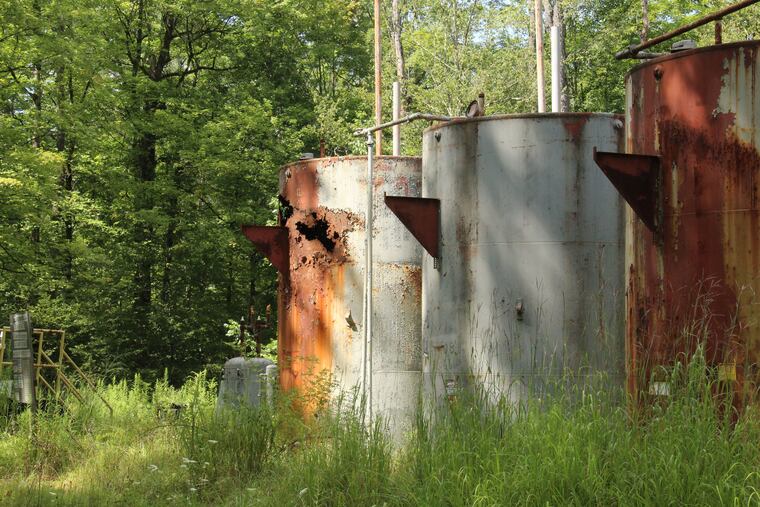
Methane may be invisible to the naked eye, but its impact on Pennsylvania communities is clear.
As a certified thermographer with Earthworks, I’ve used an optical gas imaging camera to document methane pollution from oil and gas infrastructure across 18 Pennsylvania counties. What I’ve seen in my fieldwork makes one thing certain: Pennsylvania needs a strong and durable plan to implement the EPA’s methane safeguards and defend Pennsylvanians from the Trump administration’s environmental rollbacks.
Over 1.2 million people in our state live within half a mile of an active oil or gas site.
That means they’re regularly exposed not just to methane, but to dangerous copollutants like benzene, which are known to increase risks for cancer, respiratory illness, and other serious health issues. Children, seniors, and low-income families are especially vulnerable.
Critically, many of the so-called marginal wells in Pennsylvania, often cited as too small to regulate, are owned by large companies with the means to invest in basic leak detection and repairs. These sites need to be part of any comprehensive methane strategy.
Pennsylvania has the chance to create good-paying jobs, clean up its aging oil and gas infrastructure, and help fight the climate crisis — all by implementing a strong methane plan that withstands potential changes on the federal level.
To ensure Pennsylvania’s forthcoming methane standards remain in effect even if the EPA rule is rolled back, the state Department of Environmental Protection should ground its plan in its state-based legal authority — the power DEP has been given through Pennsylvania law to make its own regulations, independent of federal directives.
A strong state plan would safeguard significant advances laid out by the EPA in 2023 and tailor the plan to Pennsylvania’s specific needs by expanding the types of facilities that get the most frequent and rigorous inspections; requiring quarterly instrument-based leak monitoring at more well sites; and ensuring fast repair timelines for leaks.
The plan should also supplement the EPA’s Super Emitter Program by creating a process for DEP to use new satellite data to reduce methane pollution and connect impacted residents with necessary methane monitoring and public health resources. Additionally, a strong plan would ensure that flaring from gas wells is allowed only in cases where the operator submits proof that there is no feasible alternative.
This is a pivotal moment. Heat waves, wildfires, and floods are growing more frequent, impacting us here in Philadelphia, while frontline communities across Pennsylvania’s shale fields are breathing in toxic fumes on a daily basis.
Our state must not treat the EPA rule as the ceiling, but the floor.
It is time for Gov. Josh Shapiro and the DEP to make Pennsylvania a leader in methane reduction today — for the health of our families, our communities, and our future.
Melissa Ostroff is a public health professional, environmental advocate, and certified optical gas imaging thermographer with Earthworks.