As our central source of scientific guidance loses credibility, other experts step up
National medical societies have issued clear pediatric vaccine guidelines. The Infectious Diseases Society has called on insurers to continue paying for them. And states are banding together.
I love it when they announce the Nobel Prize winners. Every day for an entire week, I wake up to learn about people who made groundbreaking impacts in the sciences, literature, and peace. This year, the 2025 MacArthur fellows, the so-called genius grants, were announced during the same week. It was a celebration of the top minds across the world who change the way we live.
The nerdy giddiness of wonder and amazement that filled me after reading about the honorees and their work didn’t last long. It was quickly replaced with shock and dread.
By Friday night, the Trump administration unveiled plans to slash 4,000 jobs across federal agencies. The week was punctuated by a federal reduction in force on Oct. 10, including those responsible for the U.S. Departments of Education, Health and Human Services, and Housing and Urban Development, to name a few.
While others lauded the exceptional thinkers and doers of our time, the U.S. government was bleeding expertise — intentionally.
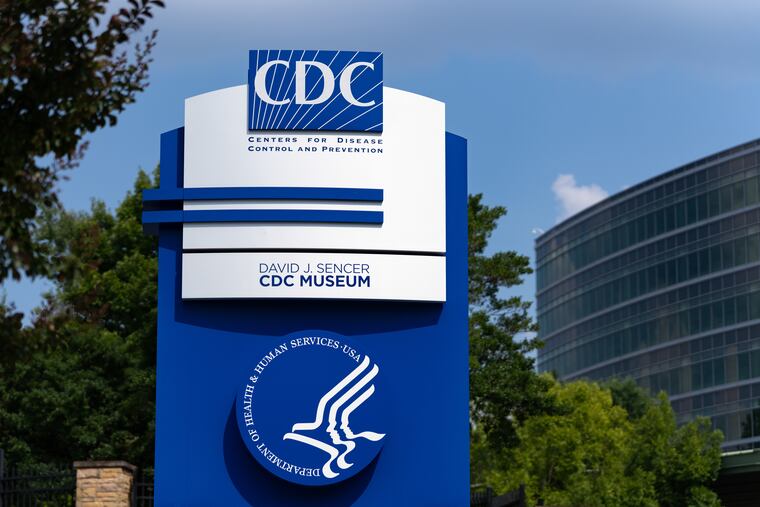
Scientific knowledge grows at such a breakneck pace that it’s impossible for mere mortals like me to keep up on all fronts. U.S. agencies such as the National Institutes of Health and the Centers for Disease Control and Prevention have always been a central point for medicine, science, and public health. Most people have heard of the CDC and NIH, but to doctors and public health experts like me, they are critical.
When news of the layoffs broke, I feared how fewer experts and less information would affect the nascent respiratory viral season, not to mention tracking outbreaks or coordinating response. As an emergency physician, it felt like I would be flying blind. We all would.
They are the doctors’ doctors.
Amid a government shutdown, meanwhile, the very agencies and people who support Americans’ social determinants of health — where you eat, sleep, work, or study — were further undermined. And this came just as millions faced losing health insurance.
It’s become clear that the U.S. has taken our world-class resources for granted. The CDC is made up of the best of the best. For generations, its workforce included the experts who dedicated their lives to ensuring the safety of people everywhere. Initial reports suggested 1,300 CDC employees lost their jobs this month.
They are the doctors’ doctors. National guidelines from the CDC ensure standardized, evidence-based recommendations across states and health systems. They allowed doctors to practice medicine confidently and efficiently — armed with the best science, whether they lived in remote rural areas or in Philadelphia, the city of meds and eds. The CDC was a central source of truth.
So much has changed. In 2025, we have watched a systematic, near-monthly unraveling of so much we relied on:
January
The removal of key public-facing information on the CDC website, including vaccines, reproductive health, and LGBTQ+ topics, along with one-of-a-kind data sets local officials relied on to prepare for illness, deploy resources, and implement health policy.
March/April
A reorganization of HHS and mass layoffs of thousands of federal workers, essentially shuttering entire agencies, including the one responsible for substance abuse and mental health, a critical partner in Philadelphia’s work against opioids.
June
Robert F. Kennedy Jr. disbands the entire Advisory Committee on Immunization Practices, which advised the CDC about vaccine recommendations and policy, including annual flu and COVID-19 shots, pediatric vaccine schedules, access to new vaccines, and insurance coverage.
August
The CDC sustains a series of major hits, including the sudden ouster of Director Susan Monarez for not backing down over political pressure to manipulate scientific data. Other top CDC scientists walk out in protest. An anti-vaccine gunman opens fire on CDC buildings, with the workers trapped inside.
October
Layoffs hit more than a thousand CDC employees, only for some to be reinstated 24 hours later when the agency realized mass emails targeted the wrong people.
If our leaders can’t execute properly on the details of mass email firings, how can we trust them to manage the CDC’s trove of complex and wide-reaching scientific information? It’s abundantly clear: They don’t know what they don’t know.
I have a sinking feeling, but my hope is not lost.
While our central source of scientific guidance may have lost its credibility, other experts are stepping up for the sake of our communities and for the integrity of the science, the scientists, and the practitioners.
National medical societies, such as the American Academy of Pediatrics, have stepped forward to assert their leadership by issuing clear pediatric vaccine guidelines — ensuring families remain informed and protected by the doctors who directly care for their children. A coalition of six professional medical societies is suing the feds for unlawful vaccine changes. And the Infectious Diseases Society of America has called on insurers across the country to continue paying for and providing vaccines to members.
At home, Gov. Josh Shapiro made it clear RFK Jr. doesn’t have the last word on Pennsylvanians’ health. Having appointed exceptional medical leaders like Debra Bogen and Val Arkoosh to state health agencies, Shapiro recognizes that proven competence and expertise are critical to health leadership. It doesn’t come from a title alone.
Pointing to science-backed efforts, clinical integrity, and collaborative approaches, Pennsylvania joined seven other states and New York City in forming the Northeast Public Health Collaborative. The group’s goal: upholding the safety, health, and equitable access to vaccines and other resources for the millions of people within its geographic footprint. West Coast states, including California, Oregon, Washington, and Hawaii, did the same with the creation of the West Coast Health Alliance.
Silver linings abound.
Still, I can’t help but wonder whether the U.S. will dominate future Nobel Prizes, given our devaluing of science. But I’m relieved and inspired that experts have stepped up to fill the gaps. They understand that knowing more and better isn’t enough — it’s using scientific knowledge to help others that matters.
In our state, doctors, scientists, and the people we serve can rest easy knowing the guidance aligns with scientific data integrity, even when we understand viruses and other illnesses don’t recognize borders on a map. Pennsylvanians are lucky we have the freedom to make the best vaccine and health choices for ourselves and our families.
It’s because we elected officials who protect our options and our access. Through their actions, they boldly state for all to hear: We’ve got your back.
Priya E. Mammen is an emergency physician, healthcare executive, and public health specialist who helps the nation’s most impactful companies integrate clinical integrity at scale.

- How do you prove you’re American?
- We are at a generational inflection point in healthcare. It’s time for Gen X physicians to assert themselves as the stewards of our profession.
- Have we decided health is a perk?
- As our central source of scientific guidance loses credibility, other experts step up
- Who will write our history?