Philadelphia should take pride in PAFA’s next chapter
The reopening of PAFA’s Historic Landmark Building after two years is not just a restoration of a beloved space. It is part of a much broader cultural revitalization.

On April 12, the Pennsylvania Academy of the Fine Arts will reopen its Historic Landmark Building after two years of renovation. It will do so with “A Nation of Artists,” an exhibition that tells a sweeping story of American creativity.
Moments like this invite more than celebration. They ask something of us: to consider what kind of cultural life we want for Philadelphia.
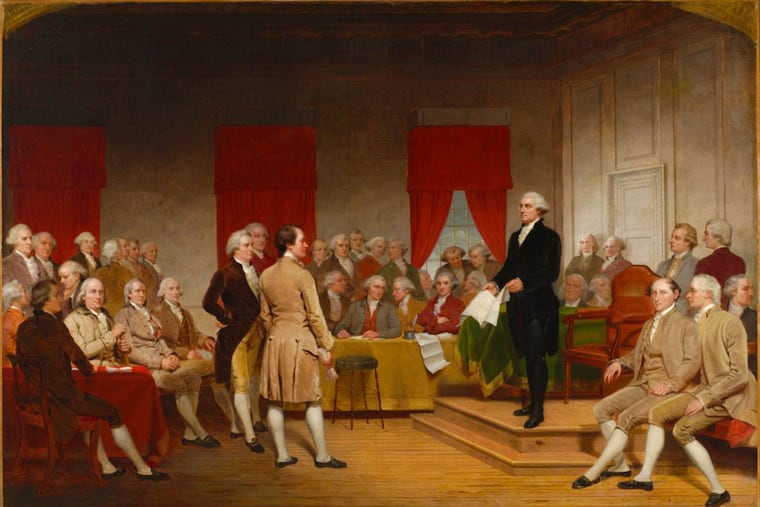
Founded in 1805 by artists and civic leaders (including four signers of the Declaration of Independence), PAFA was built on a bold idea: that a thriving democracy depends on a thriving artistic culture. They believed art was not peripheral to civic life, but central to it. That idea feels especially urgent today.
At a time when so much of our lives is mediated through screens, people are seeking something more immediate and human — shared experiences, tactile creation, and moments of real connection. Art museums and art schools are uniquely positioned to provide it. They are among the few places where people from different backgrounds can gather, reflect, and engage with one another in meaningful ways.
PAFA has been doing this for more than two centuries. Now, it is doing so with fresh momentum.
The reopening of PAFA’s Historic Landmark Building is not just a restoration of a beloved space. It is part of a broader revitalization driven by new leadership, renewed focus on core strengths, and a growing sense of possibility around what PAFA can be for Philadelphia and for the country.
This matters because Philadelphia is not just any city. It is the birthplace of the United States and a long-standing center of American artistic life. As we approach the nation’s 250th anniversary, there is an opportunity to reaffirm that identity — not only through our history, but through the institutions that continue to shape our cultural future.
The institution’s museum reflects the diversity of the American experience through artworks collected from the beginning of the nation to the present day.
PAFA is one of those institutions.
Its role is not simply to preserve the past, but to actively contribute to the next generation of American artists and audiences. Its museum reflects the diversity of the American experience, with a practice of collecting contemporary art that began in our nation’s early years and continues today. Its renowned certificate programs, returning this year, reflect a renewed commitment to serious artistic training that is accessible, rigorous, and rooted in practice.
There is real momentum here.
Cultural institutions thrive when their communities show up for them — when people visit, engage, and take pride in what exists in their own backyard. PAFA’s next chapter will be defined not only by what happens within its walls, but by how Philadelphia embraces it.
The invitation is simple: Come see what is happening. Walk through the Historic Landmark Building. Experience “A Nation of Artists.” Spend time with the work, and with one another.
If we believe that art has a vital role to play in our shared civic life — and I do — then moments like this are worth celebrating and supporting.
Philadelphia has an extraordinary cultural asset in PAFA. This reopening is a reminder of that, and an opportunity to build on it.
Kristen Shepherd is president and CEO of the Pennsylvania Academy of the Fine Arts.

Inquirer Opinion Newsletter