Philly’s parks are failing. Let’s double the parks budget.
Relying on volunteers and nonprofits is a temporary fix that drains communities and weakens trust. Good intentions can’t replace consistent city funding.

Like many parents of young kids in Philadelphia, I spend my summer weekends bouncing from playground to splash pad. By almost every measure, Philadelphia is a park-rich city. Ninety-five percent of us live within a 10-minute walk of a park.
But anyone who’s spent time in our parks and recreation centers knows the truth: We’re failing to take care of these crucial assets.
Philadelphia continues to underfund its Parks and Recreation Department. The fiscal year 2026 budget allocated approximately $84 million to parks and rec, or $53 per city resident.
The Trust for Public Land’s analysis for 2025 shows that between the city’s spending and that of nonprofits and other partners, as well as monetized volunteer hours, we spend just $112 per resident on parks, below the national average of $133 per resident. Though this is an improvement from the $86 per person spent in 2024, it’s not enough, especially when Pittsburgh and Baltimore spend $104 and $132 per resident, respectively.
This chronic underinvestment leads to crumbling infrastructure, broken equipment, and deferred maintenance. Our parks and rec centers could be powerful tools for community building, youth engagement, and even violence prevention. Instead, they’re held together with duct tape, volunteer hours, and donations.
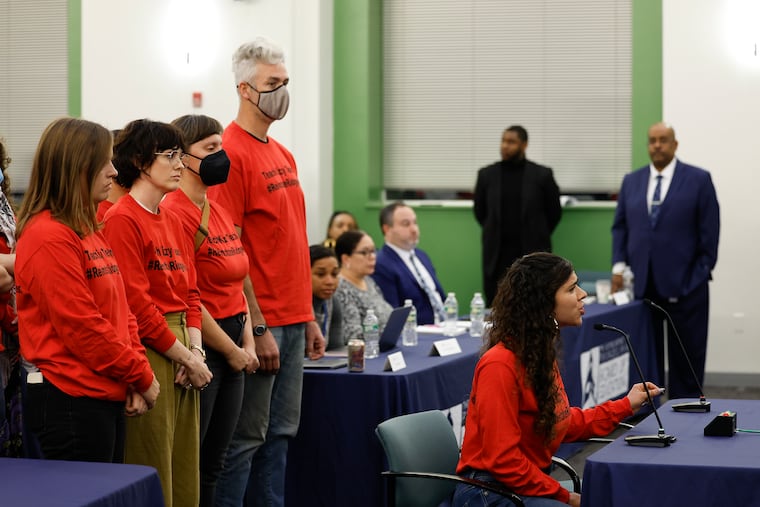
At a City Council budget hearing this spring, Councilmember Quetcy Lozada described the state of some recreation centers as “disgusting.” She’s not wrong. I keep mental notes about which playgrounds have working swings or a shady spot to sit, and which ones have trash piling up, which field has overgrown grass, and which jungle gyms have broken equipment.
Visiting rec centers and pools, which, thankfully, are plentiful, is often difficult due to staff shortages. Once inside, visitors and staff have to contend with broken windows and peeling paint, if they’re open at all.
The city’s Rebuild program, largely funded through the soda tax, is working to address years of neglect. But Rebuild was never meant to be a permanent solution. It’s patching holes in a roof that’s been leaking for decades. As Susan Slawson of parks and rec said, you can’t keep patching forever. Sooner or later, the roof caves in.
Even worse, we’ve created an inequitable system where the quality of your neighborhood park depends on the strength of its “Friends of” group — volunteers who take on everything from fundraising for playgrounds to planting trees and cleaning trails.
This creates a tiered system: Parks in wealthier, whiter neighborhoods are nicer because they have more resources to supplement what the city won’t provide.
Budget constraints mean we often take the easy route rather than the correct one. The continued use of harmful herbicides to manage weeds is a cost-saving tactic that risks community health. Instead of investing in labor to do the work safely, the city opts for shortcuts. Meanwhile, nearly 3,000 city trees are on a waiting list for pruning or removal. That backlog would cost just $2.6 million to clear, a relatively modest sum in a $6 billion city budget.
The city’s only dedicated recreation facility for kids with disabilities, the Carousel House, has been closed since 2020. How can we claim to be an inclusive city when we let spaces like that fall through the cracks?
Mayor Cherelle L. Parker called for doubling the parks and rec budget during her campaign. Now is the time to follow through. Doubling the department’s budget wouldn’t just fix broken swings and peeling paint. It would create good jobs. It would give communities consistent access to safe spaces. And it would help reduce the inequities in our city.
Relying on volunteers and nonprofits is a temporary fix that drains communities and weakens trust. Good intentions can’t replace consistent city funding.
If we want safe, clean, and thriving parks, we have to fund them properly. It’s time to stop asking why our parks are struggling and start investing in them. The support is there. Next year, let’s double the parks budget.
Dustin Dove is a dad, lawyer, and community volunteer who lives in Fairmount.