After repeated failures in caring for system-involved youth, Pa. needs an Office of the Child Advocate with ‘teeth’
We know the impact this office can have because Philadelphia is leading the way, having created a similar office that has helped countless children and families.
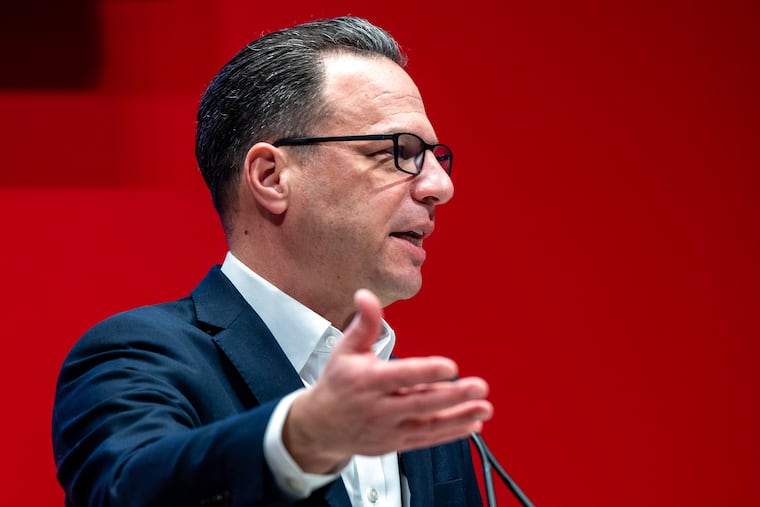
Gov. Josh Shapiro recently stated that his office supports codifying a statewide Office of the Child Advocate (OCA) and, importantly, wants the office to have “teeth.” This comes in the wake of yet another tragic death of a child in the system. One thing is clear — Pennsylvania’s children cannot afford to wait for this office to be reinstated with authority.
As an attorney and a youth advocate working with the Juvenile Law Center, we are encouraged by those remarks. Calls for an OCA date back to 2001, and since then, Pennsylvania has experienced failure after failure in which children were abused in the juvenile legal and child welfare systems.
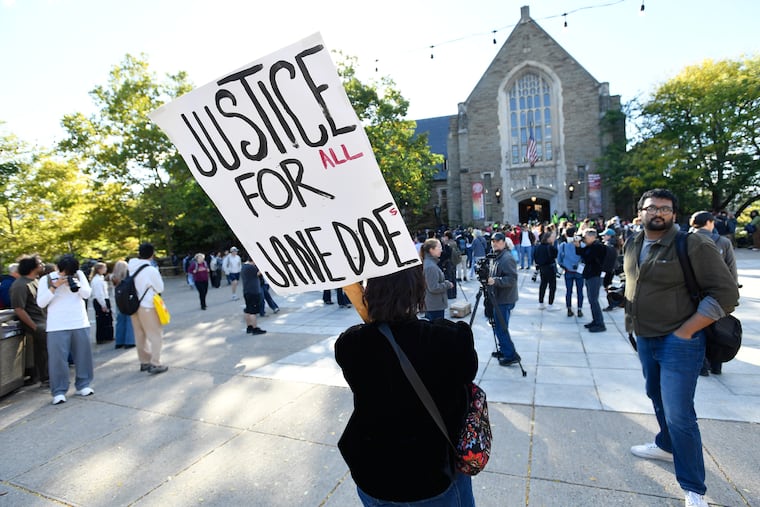
Advocates recently held an event titled “Brown Bags and Big Voices,” where youth with system expertise, their families, and other stakeholders highlighted the need for someone responsible for protecting children from harm and helping direct families to needed resources. An OCA can do just that.
Pennsylvania needs an OCA because our systems are not protecting our children or ensuring their needs are met. And as Shapiro has said, it should be empowered and have “teeth.” That requires the office to have specific powers, roles, and responsibilities.
First, the office should be independent, meaning not controlled by the Department of Human Services, which oversees the juvenile justice and child welfare systems across the state. Independence will ensure the children within these systems feel safe talking to the OCA about the things that are happening. No child in the system would feel comfortable complaining to the facility staff who are maltreating them, or to the entity that continues to license those facilities.
Additionally, many children do not understand that they have rights and that they can report if their needs aren’t met or if they are feeling unsafe. The OCA can educate both children and their families on their rights and how to report something so the office can intervene as a neutral party.
Specifically, the office should receive complaints and investigate through private one-on-one conversations with children and reviewing facility documentation. Staff should never be present when children talk to the OCA, because children are more comfortable disclosing issues if facility staff are not able to hear or see them.
Further, the OCA should be allowed to make unannounced visits to facilities, and facilities should not be able to deny entry. Unannounced visits will allow the OCA to understand what happens on a day-to-day basis and gain a clear picture of facility conditions.
Investigating complaints and visiting facilities will also allow the OCA to identify gaps in services.
The office should collaborate with the Department of Human Services, the Department of Education, and other agencies to make recommendations to ensure children are receiving proper services, their rights are upheld, and that they are safe. Our children not only need physical safety, but also an appropriate education and Individualized Education Program services, both of which the OCA can monitor.
The true benefit of the OCA will be in the relationships the office forms with the community and its ability to be a trusted resource for families.
To do this, the OCA should publish reports (at least annually) to inform the community of the office’s work. The reports should cover any trends or common problems affecting facilities and discuss recommendations. Our communities should know what is happening to children in the system, and should know where to turn when children need help.
Lastly, the office should be given clear authority in the enacting legislation to perform these responsibilities.
Including all of these powers and responsibilities in the OCA rights and protocols will help children feel safer while in the system. Without this office, children won’t have the proper support, and abuse will continue to occur unreported.
We know the impact this office can have because Philadelphia is leading the way, having created a similar office (Office of the Youth Ombudsman) that has helped countless children and families. Philadelphia’s office has uncovered disturbing trends about the use of seclusion in facilities, has provided recommendations to facilities on ways to be more inclusive of the religious practices of children, and has informed children of their rights while in facilities.
Children and youth in Philadelphia are no different from those in Pennsylvania’s other 66 counties — each one of them deserves access to an independent OCA.
While we know keeping children safely connected to their families and out of the system is the best way to nurture childhood and build a foundation for lifetime success, the reality remains that many children and youth do get separated from their families.
These children need an independent OCA to ensure the basics of childhood — safety, health, and education — are provided to these children in the same manner as we would expect them to be provided to our own children if they were placed away from family.
Malik Pickett is a senior attorney at Juvenile Law Center. Bree Hood serves as a youth advocate at the organization.