Toward cleaner, safer Philadelphia waterways
Climate change and ancient infrastructure make Philadelphia vulnerable to potentially catastrophic flooding, but federal, state, and local efforts are meeting the moment.
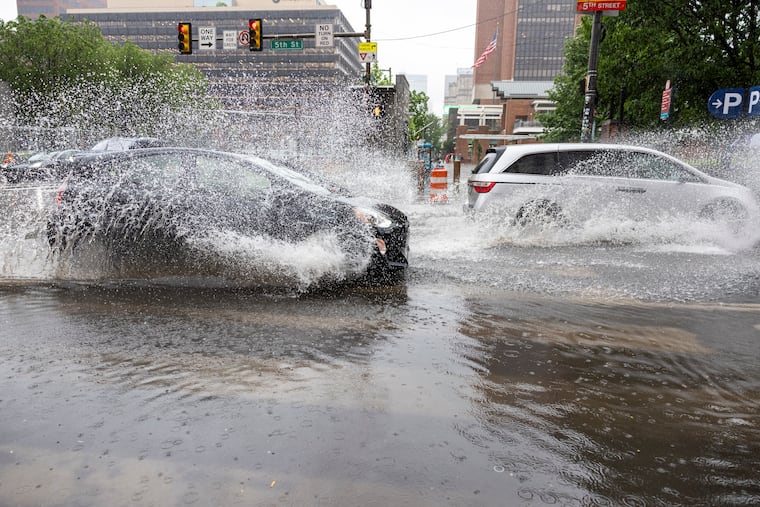
When we think of flooding brought on by climate change, the recent deadly flooding in Pakistan or July’s catastrophic flash floods in Texas might come to mind. But the danger is also much closer to home.
Intense floods have hit our region, as well, including a deadly one in central New Jersey in July. Philadelphia just endured one of its muggiest summers on record. That humid air fuels storms that dump more rain, faster — potentially turning neighborhoods into sudden disaster zones.
Philadelphia faces a combination of flood risks. Sitting between two rivers and just upstream of the Delaware Bay, we’re vulnerable to rising tides and riverbank flooding due to storm surges.
Compounding that is the fact that our city is covered in concrete. With so much of the city paved over, there is less natural green space to absorb rain. As a result, the majority of rainfall streams down our roads and overwhelms the underground systems meant to capture it.
Not only do floods present possible danger or damage to property, but they also threaten public health. Our underground, century-old sewer systems were designed to capture both rainfall and household waste. When our sewage system is overwhelmed, it overflows.
The combination of rainwater and raw sewage then floods our rivers, streets, and sometimes even our homes. With an aging sewage system that wasn’t built for our current population (or heavily paved environment), flooding happens much more frequently than it should.
The scale of the problem is staggering. In Philadelphia, according to data analysis from Environment America, 13 billion gallons of sewage currently pollute our waterways each year.
In other major metro areas like Chicago, it’s four billion gallons. Boston metro is 400 million, and Atlanta metro is 100 million. Younger, booming cities like Phoenix and San Antonio have overflows only in the tens of millions, reflecting more up-to-date infrastructure.
Now, a piece of good news. Recognizing the need for improvement, the Environmental Protection Agency has just finalized a rule that will ensure the Delaware River near Philadelphia is cleaner and healthier for fish and humans.
The rule raises the required oxygen level (a key indicator of water quality) in the stretch of the Delaware River between Philadelphia and Wilmington.
In order to comply with this rule, the public utilities that manage wastewater will need to take significant steps that will bring additional costs.
Fortunately, there is also existing local action to help the city succeed. There are partners hard at work (aligned with the plans of the Philadelphia Water Department) to reduce the city’s sewage overflows by up to five billion gallons per year (more than a third of current levels) over the next 10 years. With proper investment, Philadelphia is capable of being on par with other large cities that have more modern sewer systems.
The grant-making organization where I work, the William Penn Foundation, is proud to be a part of these efforts. Reducing sewage overflows is one of the priorities of our Environment and Public Space program.
Our board of directors awarded $5 million in grants in July to support a combination of major water infrastructure improvements, advocacy, and community organizing to reduce sewage overflows by 500 million to 800 million gallons a year.
The funded work is anticipated to benefit more than 150,000 residents and park users, and 60,000 low-income water and sewer rate payers. And we plan to continue to support similar work over the coming decade.
Not only do floods present possible danger or damage to property, but they also threaten public health.
It’s critical that, as we advance these long-overdue upgrades, we protect Philadelphia’s most vulnerable households from bearing the brunt of the cost and facing water bills they cannot afford. Partial relief can come from lower-interest loans to finance new infrastructure, combined with public support to assist low-income residents with higher water bills.
As one of the nation’s oldest cities, Philadelphia was the first to develop a public sewer system. And it was a marvel lauded internationally at the time. But times have changed, and Philadelphia’s needs have changed.
This year, we’ll see billions of gallons of sewage flow into our waterways like the Cobbs and Tacony Creeks, and the Schuylkill and Delaware Rivers. We can’t accept this as our reality.
Next year, all eyes will turn to Philadelphia as we celebrate America’s 250th anniversary. Let’s honor our great city and this milestone by investing in a future that’s cleaner, safer, and more resilient for the next 250 years.
Nathan Boon is the senior program officer for the William Penn Foundation.