Affordable housing strengthens communities and local economies
PHA’s completed and anticipated investments to preserve, acquire, or build 20,000 affordable housing units from 2023 to 2030 will generate a significant impact on the local and state economies.
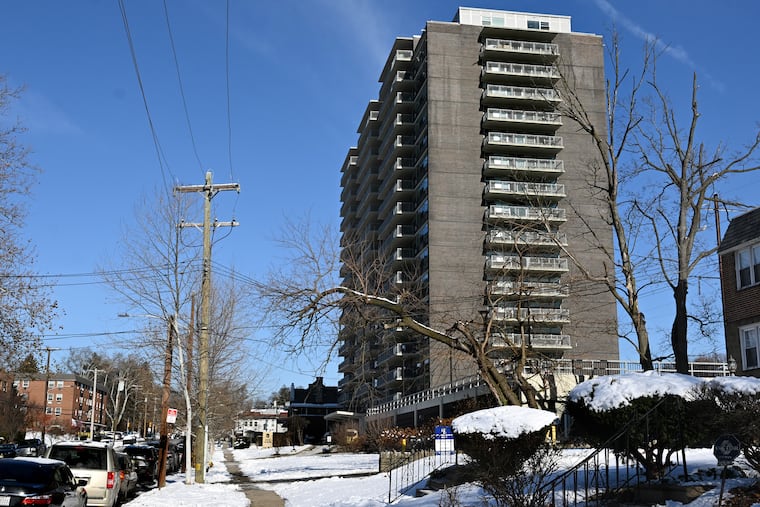
Many households that are cost-burdened are not high-income earners paying for luxury housing — they are low-income residents with limited affordable housing options. As a result, many low-income families spend more than half of their income on rent, making other necessities like food and healthcare difficult to support. High demand, low inventory, and rising costs have created an affordable housing crisis and a growing unmet demand for quality affordable housing.
In Philadelphia, there is a deep, structural gap between the number of very low-income households and the supply of housing they can afford. As in many American cities, housing affordability is a significant issue in Philadelphia, and the Philadelphia Housing Authority, in partnership with the city, is boldly addressing this issue head-on with its plan to preserve housing for its current housing stock that provides housing to nearly 80,000 Philadelphians while creating new opportunities for the tens of thousands of residents who are waiting far too long for a home.
Every dollar invested in affordable housing generates construction jobs, supports local contractors, and strengthens the tax base.
The benefits of preserving and expanding affordable housing extend well beyond simply providing a place to live. Affordable housing investments support wage growth by creating quality jobs in construction and related industries while also giving families more financial stability to advance in the workforce.
Every dollar invested in affordable housing generates construction jobs, supports local contractors, and strengthens the tax base. PHA’s $6.8 billion Opening Doors Initiative is preserving existing housing and creating new affordable housing communities that generate widespread economic benefits. A recent economic impact study by Econsult Solutions Inc. demonstrates that PHA’s efforts are providing a significant boost to Philadelphia’s economy.
PHA’s completed and anticipated investments to preserve, acquire, or build 20,000 affordable housing units from 2023 to 2030 will generate a significant cumulative impact on the local and state economies. Locally, capital investments from PHA’s planned developments are estimated to produce almost $10 billion in cumulative economic impact, supporting more than 3,700 full-time jobs, generating $2.7 billion in employee compensation in Philadelphia. Statewide, these investments are projected to produce a total of $11.3 billion in cumulative economic impact, supporting 4,700 full-time equivalent job years and $3.2 billion in employee compensation during the period of construction.
Creating opportunities
These capital investments are also creating new opportunities for PHA’s skilled labor partners who help build high-quality, professionally managed housing communities. Those workers, in turn, will spend a portion of their salaries and wages within our local economy, catalyzing the procurement of a wide range of goods and services, as well as new economic opportunities for local vendors. Along with expanding the labor workforce, the maintenance and operation of new and rehabbed developments will generate more than $100 million in new tax revenue for the city of Philadelphia.
To complete all these investments, PHA must reduce operating expenses in line with lender and bond issuance requirements, potential federal public housing funding reductions, and multifamily industry staffing norms. In addition, PHA must also take action to streamline its property management functions to better service residents on-site while also decentralizing some management operations to procure qualified third-party property managers to realize millions of dollars in annual savings.
PHA’s recently announced restructuring and rightsizing plan achieves these requirements. Through engaging the Building and Construction Trades Council to modify its collective bargaining agreement, PHA will be better able to sustain and preserve its newly developed and repositioned housing portfolio. Once fully implemented, PHA will generate an estimated $28 million in annual operating savings, which will be redirected to preserve its housing stock, provide enhanced services to residents, and expand housing opportunities to the tens of thousands of Philadelphians on its waiting list.
This is a proactive approach to repositioning and strengthening PHA’s housing portfolio for the benefit of the families who depend on PHA. Decisions like this are never easy, but they are necessary to protect residents’ needs and to ensure the financial sustainability of PHA’s new and repositioned housing assets.
PHA remains committed to opening doors to new affordable housing opportunities and creating a sustainable future for Philadelphia’s housing needs.
Kelvin A. Jeremiah is the president and CEO of the Philadelphia Housing Authority.