Parker’s H.O.M.E. initiative: Why not invest in tenants?
Renters are the forgotten stakeholders in the H.O.M.E. initiative. The most recent suggested spending plan proposes less than 15% on rental assistance programs.
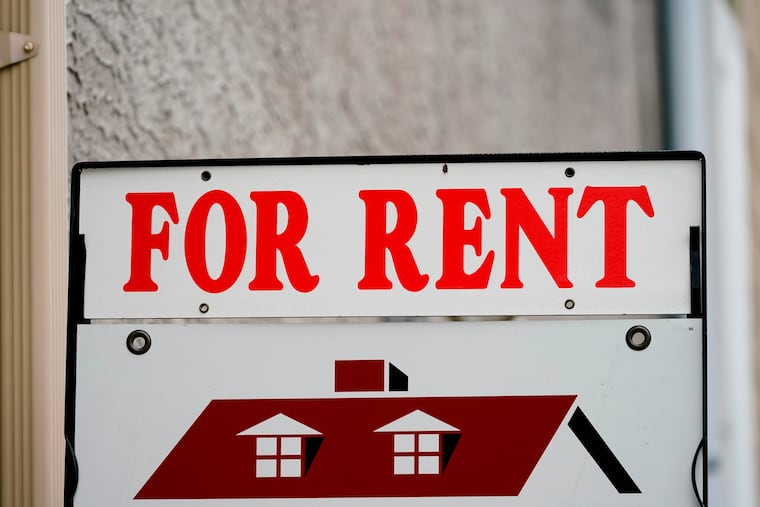
We have heard all about Mayor Cherelle L. Parker’s H.O.M.E. initiative, which is about “cutting red tape” to make the development of housing — including low-income housing — easier. The initiative incentivizes developers to build low-income housing by way of subsidies and tax abatements. Parker’s stated hope is that creating affordable housing will lead people toward homeownership.
But to be frank, this seems like wishful thinking.
Philadelphia ranks among the least affordable places in the country for renters. Added to that, according to a study by the Philadelphia Federal Reserve, Philadelphia ranked last in the country in economic mobility — with lack of stable income and high cost of living contributing to the dire assessment.
For more of the city’s residents to become homeowners, Parker’s administration will have to shrink the cost of living — or boost wages — so Philadelphians can afford to save for a down payment on a home.
While the One Philly Mortgage program purports to provide Philadelphians with reduced down payments, details on that program have been sparse. The mayor has offered no assurances that the program will be accessible to the nearly half of Philadelphia renters who qualify as “very low income” — the same residents who are most impacted by the city’s housing affordability crisis, according to a report by the Penn Housing Initiative.
Renters are the forgotten stakeholders in the H.O.M.E. initiative. The most recent suggested spending plan circulated by the mayor’s office proposes to spend less than 15% on rental assistance programs.
Perhaps the most bittersweet shortcoming of the initiative for tenants is that it proposes giving more than $200 million to developers and landlords without adding any mechanisms to hold them accountable. Meanwhile, people are literally dying because of poor conditions in rental properties.
And some of the worst offenders are the same property owners who benefit from city programs. The Department of Licenses and Inspections can’t keep up with complaints. Laws need to be put in place so that tenants — 48% of Philadelphians — have some recourse when a landlord is negligent. The city must impose stricter regulations on housing providers — something that goes unmentioned in the H.O.M.E. initiative.
As it happens, some of those stricter regulations have already been proposed by City Council members.
Councilmember Nicolas O’Rourke’s Safe Healthy Homes Act is back on the table in the fall session of Council. The act was presented to the housing committee on June 3, and one of the three bills contained in it — the right to relocation, which authorizes L&I to create a displacement fund to aid tenants who are removed from unsafe housing — made it out of committee and was passed by City Council.
The other two bills from that — the right to repair, which would have L&I start doing proactive inspections of rental properties and impose stricter penalties for property owners who refuse to address code violations, and the right to safety, which would empower renters to speak up about building conditions by enhancing protections against retaliation and harassment from landlords and expands extant tenants’ rights — will be on the table in the fall.
We will see then if members of Council’s housing committee and the administration are prepared to sacrifice relationships with landlord lobbies, like the Homeowners Association of Philadelphia, to protect tenants in Philadelphia. According to Philly Power Research, a group that investigates campaign financing in Philadelphia, “the real estate and building industry sector” was responsible for about 19% of the total campaign funding of the 2023 mayoral primary, and accounted for about 14% of campaign donations for the City Council at-large election.
I encourage you to let the members of City Council’s housing committee (Councilmembers Cindy Bass, Michael Driscoll, Jaime Gauthier, Curtis Jones Jr., Rue Landau, and Mark Squilla) know how you feel.
Jeff Wasch is a resident of South Philadelphia and a tenants’ rights advocate.