A rise in rank doesn’t always mean more authority
Police officers of color who are promoted may not get the same kind of respect and support they deserve.
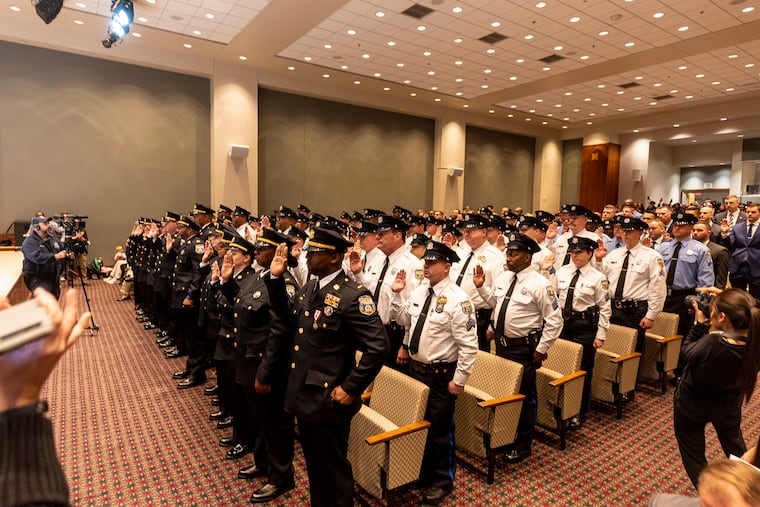
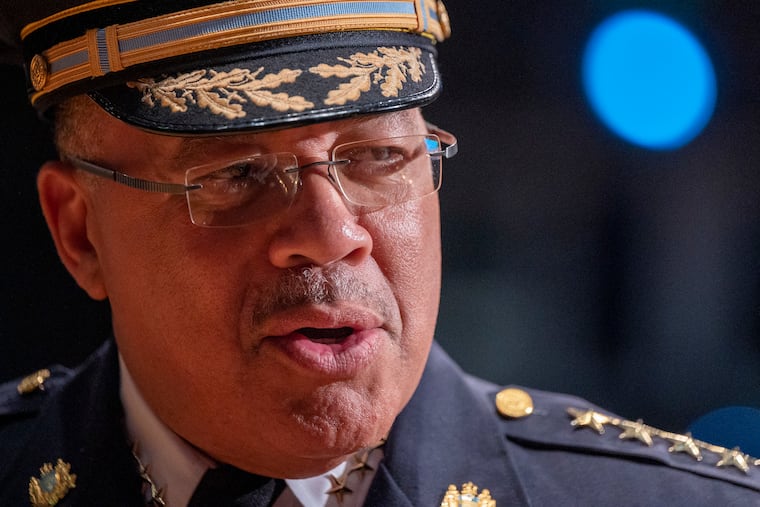
Rank in law enforcement is supposed to settle questions of authority. When an officer earns the bars, stars, or title of supervisor, the expectation is clear: Their leadership carries weight. Orders are followed. Decisions stand. The chain of command functions as it should.
But for some supervisors of color throughout the United States, that promotion does not always bring the authority it is supposed to guarantee.
The problem is not simply who gets promoted. It is what happens after the promotion. Across many police departments, people of color who are supervisors often discover that earning rank does not always guarantee the institutional support, authority, and trust that leadership requires.
Having spent more than a decade and a half working in law enforcement, I have seen how this gap between rank and authority can quietly shape leadership inside police departments.
But debates about who gets promoted often overshadow a quieter question: What happens once Black, brown, Asian, or Indigenous officers actually attain leadership positions?
In policing, advancement is meant to reflect discipline, competence, and the steady accumulation of experience. It embodies the belief that preparation and performance will eventually be recognized — the same ethic of persistence championed by leaders such as Ella Baker and Shirley Chisholm.
Yet, for some officers of color, earning rank does not always translate into the authority that rank is meant to confer.
Across departments nationwide, these supervisors often encounter a quiet but persistent resistance once they step into leadership roles. Decisions may be second-guessed in ways their peers’ decisions are not. Directives are met with hesitation. Policies they introduce are scrutinized beyond reason.
The uniform is the same. The rank is the same. The reception is not.
In recent years, many departments have pointed to diversity, equity, and inclusion initiatives as evidence that progress is underway. Recruitment campaigns highlight broader representation, and promotional announcements celebrate milestones that once seemed unlikely.
But too often, diversity efforts stop at the moment the promotion is announced.
Representation may improve, but equity requires something deeper: institutional backing once leaders begin exercising authority. Without that support, promotions risk becoming symbolic gestures, rather than meaningful structural change.
The promotion satisfies the diversity goal. The authority remains negotiable.
Too often, Black and brown leaders are elevated during moments of institutional strain — when morale has eroded, when community trust has fractured, or when reform efforts have stalled. They are expected to stabilize difficult situations while navigating internal resistance that can quietly undermine their authority.
Responsibility is handed over. Authority is constrained.
When initiatives falter under those conditions, failure is often treated as personal rather than structural.
This gap reveals the difference between symbolic diversity and functional equity. A department may celebrate the promotion of a Black supervisor, but when that leader begins enforcing discipline, implementing policy, or challenging long-standing practices, institutional support can quietly fade.
The promotion satisfies the diversity goal. The authority remains negotiable.
That perception undermines more than individual leaders. It weakens the integrity of the chain of command itself. Law enforcement depends on clarity: Orders must be respected, and leadership must be trusted.
If departments are serious about diversity, equity, and inclusion, those commitments must extend beyond recruitment campaigns and promotional ceremonies. Equity means ensuring leaders of every background receive the same institutional trust, operational authority, and cultural legitimacy once they step into command roles.
When officers earn rank, their authority should not be conditional.
Authority cannot be symbolic. It must be real, operational, and supported.
Ivy Staten has worked in law enforcement for more than 15 years. Her views do not reflect those of any particular police department.