Kenyatta Johnson: No presidential administration should be allowed to whitewash African American history
The battle over the President’s House exhibit goes beyond signage; it’s about whether we are prepared to face the full truth of who we are as a nation.
Philadelphia is the birthplace of American democracy. It is also a city that understands democracy is strongest when rooted in truth.
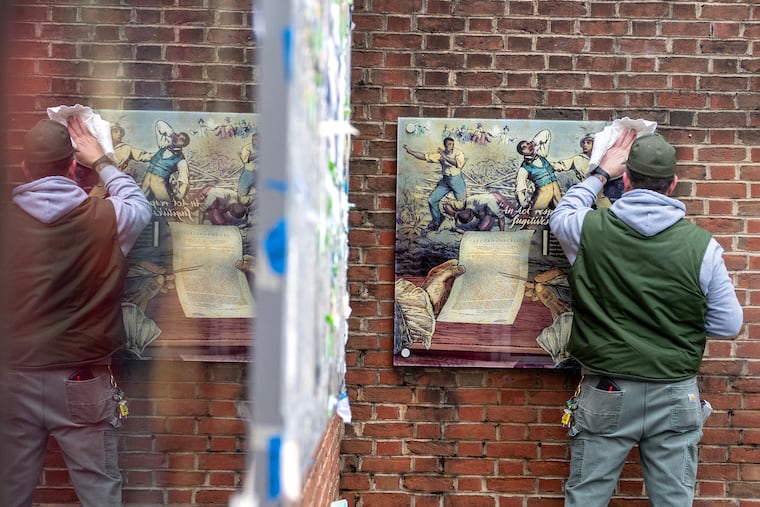
That is why the January removal of slavery exhibits from the President’s House site in Center City was so deeply concerning. I am happy National Park Service workers restored the exhibits on Feb. 19, but they are only back up in their rightful place because of U.S. District Judge Cynthia M. Rufe’s order directing the NPS to restore them.
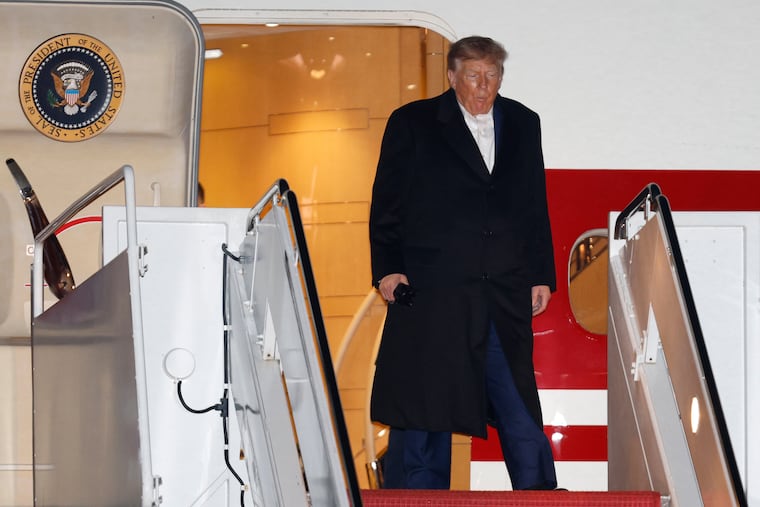
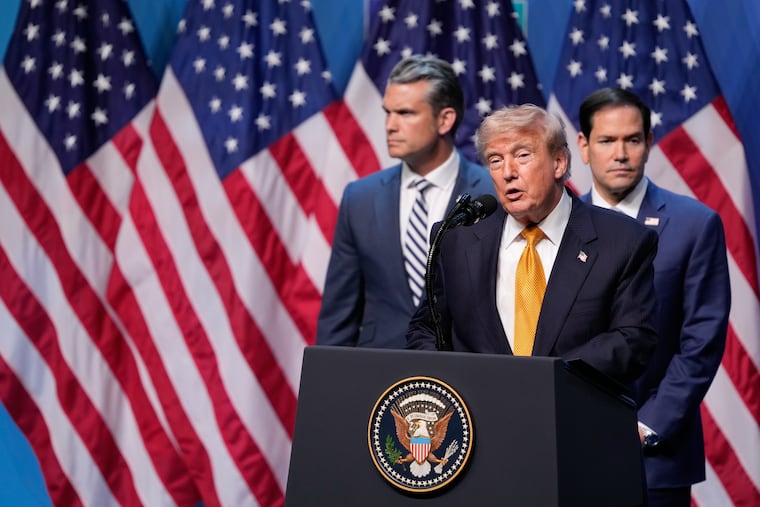
Rufe made it clear in her Feb. 16 ruling that historical truth cannot be dismantled or rewritten, and that the federal government and President Donald Trump’s administration do not have the authority to erase or alter facts simply because they control a national site.
At the President’s House — located within Independence National Historical Park — visitors learn about George Washington’s early presidency. But equally important, they learn about the nine enslaved Africans who were forced to live and work in Washington’s Philadelphia household. Their lives unfolded in the literal shadow of a building where liberty was debated and declared.
That story is not just an aside in our nation’s founding — it is essential for understanding both America’s ideals and its contradictions. Removing those interpretive panels is more than just an administrative decision; it’s an effort to alter the narrative of our shared history.
The City of Philadelphia sought an injunction in federal court on Jan. 22 to preserve the integrity of this significant site. This battle goes beyond signage; it’s about whether we are prepared to face the full truth of who we are as a nation.
There is no harmful ideology in recognizing that slavery existed at the highest levels of early American government. There is no political agenda in naming the enslaved men and women who lived at the President’s House. There is only a duty to tell the truth.
The President’s House memorial opened in 2010 after years of research, advocacy, and public engagement, led by the Avenging the Ancestors Coalition and supported for decades by the city of Philadelphia and the NPS.
It reflects Philadelphia’s long-standing commitment to the honest telling of history. We acknowledge that our nation’s founding documents proclaimed liberty while millions remained enslaved. We understand that progress arises not from denial, but from reckoning.
Philadelphia will always remain dedicated to sharing the full history of our nation, not just the easy parts, but the whole truth.
Our children deserve to learn that America’s greatness is not in pretending we are perfect, but in working to become a more perfect union every day.
Restoring these exhibits at the President’s House is not about politics. It’s about principles. It’s about making sure that a site visited by people from all over the world, especially on the 250th anniversary of the United States, reflects the full scope of our history, including both triumphs and injustices.
As the fight over the President’s House continues through the federal court system, I will continue to support our efforts to ensure the exhibits remain at the site permanently.
We must not let Trump whitewash African American history. Black history is an integral part of American history.
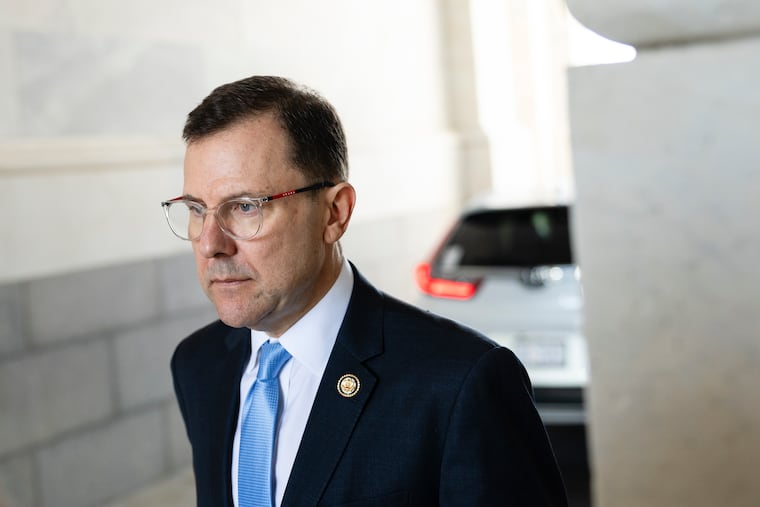
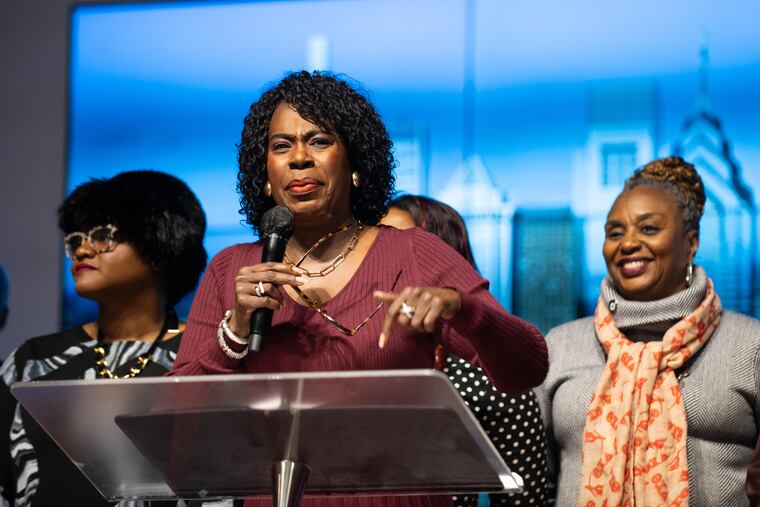
Kenyatta Johnson is City Council president and represents the 2nd Council District in Philadelphia, which includes parts of Center City, South Philadelphia, and Southwest Philadelphia.