Refugee resettlement isn’t a choice between security and compassion — it’s a test of our values
This false dilemma was never a political question. It’s always been about who we are.
In the days after Sept. 11, 2001, as the country reeled from the deadliest terrorist attack in modern American history, some inside the U.S. government asked whether refugee admissions should continue at all.
I was serving in government at the time, and I remember those debates well. The fear was real to all of us — even those of us working in national security. Across the national security community, officials were asking difficult questions: Could another attack be coming? Were there vulnerabilities in our immigration system? How could we protect the country while remaining true to our values?
President George W. Bush assigned the late Assistant Secretary of State Gene Dewey and me to help address those questions in the months after 9/11. Even in a moment of profound grief and uncertainty, we concluded that refugee resettlement remained both a moral obligation and a strategic asset. President Bush believed America could protect its security without abandoning its humanitarian commitments, commitments that have long defined our nation as a refuge for people fleeing persecution and violence.
Rather than dismantling the refugee program, we strengthened it, and over the years, empirical evidence has indisputably shown that refugees are a net positive for our country. The security measures developed in the years after 9/11 became the foundation for some of the most rigorous vetting procedures in our immigration system.
Looking back, I believe that decision made America stronger. Refugees have enriched our communities, strengthened our economy, served in our armed forces, and contributed to every aspect of American life. Just as importantly, our commitment to refugee protection sent a message to allies around the world that the United States would not abandon its values out of fear.
Security and compassion were not competing principles then. They are not competing principles now.
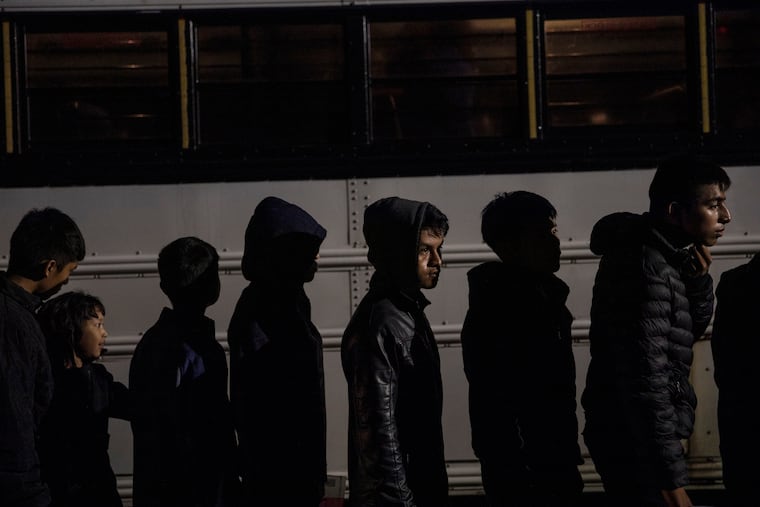
That is why it is so painful to watch what is happening today. Refugee resettlement was initially halted for almost everyone, and then access to the program was narrowed to a historic low and limited to white Afrikaners from South Africa. This radical change left thousands of approved refugees in limbo, including families who were cleared for travel to the United States, only to be told at the last hour that they would not be allowed to come after all.
At the same time, recent decisions affecting humanitarian protections, including the loss of Temporary Protected Status for many Syrians and Haitians, have left thousands more facing profound uncertainty and possibly large-scale deportation. Whatever one’s views on immigration policy, these changes represent a significant departure from America’s long-standing role as a place of refuge for people fleeing war, persecution, and political violence.
The consequences extend beyond those directly affected. They reshape how the world understands America’s commitments.
Nowhere is that more evident than in the case of our Afghan allies, who were gravely endangered when denied access to the program. Many Afghans risked their lives working alongside American soldiers, diplomats, aid workers, and intelligence personnel. Their service made them targets of the Taliban and other extremist groups. For decades, the United States asked these men and women to trust us. When we fail to honor our commitments to them, the consequences extend far beyond Afghanistan. It sends a message to future partners around the world that America’s promises may be temporary and its commitments conditional.
I am equally devastated by the retreat from U.S. leadership in lifesaving humanitarian aid abroad — a retreat reflected in the Organization for Economic Cooperation and Development’s (OECD) finding that American development assistance fell by nearly 57% in 2025, the largest reduction by any major donor in any year on record, even as conflict around the world drives displacement to record highs.
Our nation’s anniversary should be a time to celebrate refugees, immigrants, and those who came to this country with contributions. Instead, I watch it being scapegoated — used as a political symbol by people who have never sat across from a refugee family, never reviewed a vetting file, never seen what resettlement actually looks like on the ground.
I think of the families still separated, still waiting. I think of the engineers, first responders, agricultural workers, HVAC technicians, and construction workers who are not coming to fill jobs this country needs.
As president of the Jesuit Refugee Service and after more than three decades working on these issues at the U.S. Department of Homeland Security, I have interviewed, spoken with, and read about the horrors refugees have endured. Through their eyes, I have seen the worst of what people can do to one another. But I have also been deeply humbled by their accomplishments, their hope, and their love for the countries that took them in.
I think of Nam Loc Nguyen, the first Vietnamese boat person to receive U.S. citizenship — naturalized exactly five years to the day after he arrived. He built a career serving others. When Kabul fell in 2021, Nguyen and fellow Vietnamese Americans raised funds and opened their own homes to resettle Afghan families. Refugees helping refugees: gratitude paid forward across generations.
Forty-six years after the fall of Saigon, that commitment continues. Last year, Nguyen joined us at our JRS Advocacy Day to explain the importance of refugee admissions and humanitarian protection to congressional staffers, many of whom were not even alive on 9/11. Nguyen was there to bear witness to what resettlement made possible — not just for him, but for the families he has since helped welcome home.
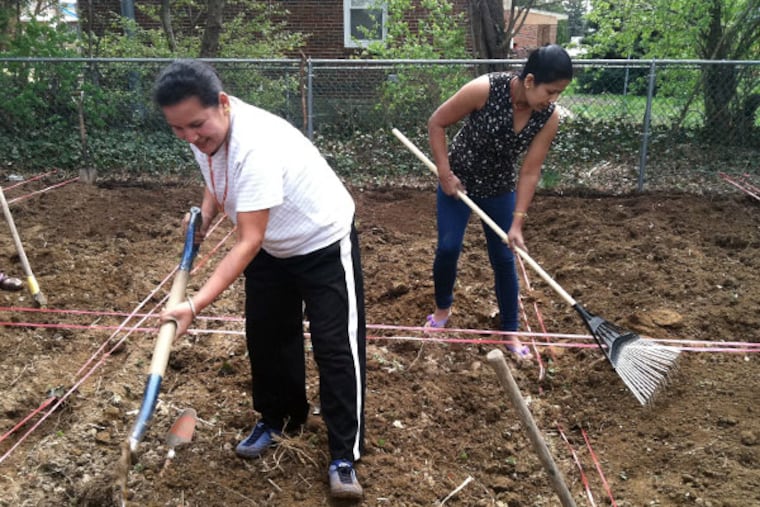
I think of the Bhutanese community in Pennsylvania, one of the largest Bhutanese refugee communities in the country. During the COVID-19 pandemic, many Bhutanese refugees, alongside refugees from around the world, worked on the front lines as nurses, home health aides, and other essential workers. While much of the country stayed home, they cared for elderly Americans, staffed hospitals and nursing facilities, and helped hold communities together during a time of extraordinary uncertainty.
Refugee resettlement has never been a one-sided act of charity.
And I think of the dozens of refugees I have met who served in the U.S. military or with the U.S. military abroad, before they were even naturalized as citizens, who took up arms to defend a country that had not yet fully claimed them as its own.
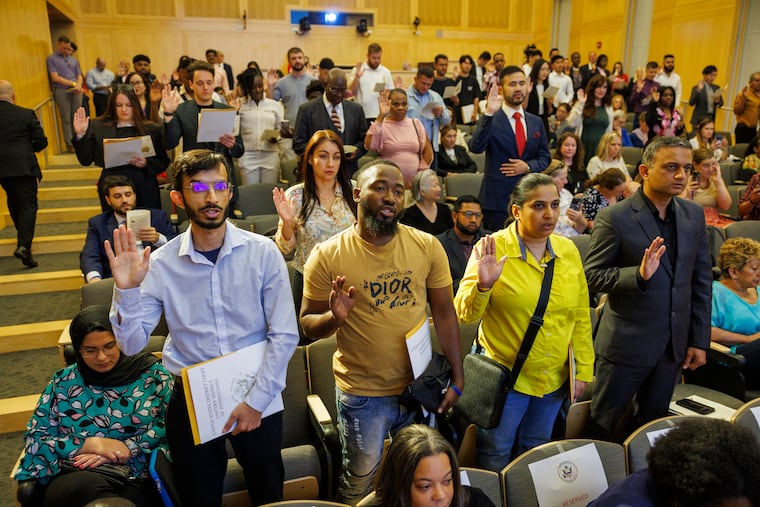
As an American, I believe our country is stronger because of the refugees we welcome. They remind us that America remains a place of opportunity, renewal, and second chances.
For more than three decades, I have had the privilege of witnessing refugees rebuild their lives, raise families, serve their communities, and contribute to the nation that welcomed them. Many refugees are revitalizing rural America by refueling its economy and essential services. In a time when so many Americans have grown cynical about our institutions and our future, refugees often see something we sometimes forget: the enduring promise of the American dream.
They remind us not to give up on our country, or, more importantly, on one another. If refugees who have lost everything can still believe in this nation’s promise, so can we.
As our nation marks its 250th birthday, rather than relitigate the politics of 2025 or 2026, I hope we will remember something deeper about who we are.
Refugee resettlement has never been a one-sided act of charity. It has always been an exchange of hope, resilience, and shared responsibility.
At Jesuit Refugee Service, we see that truth every day. Refugees are not separate from the American story; they are part of it. They remind us that our nation is at its best when we keep our word, welcome those fleeing persecution, and remain confident enough in our values to extend a hand to others.
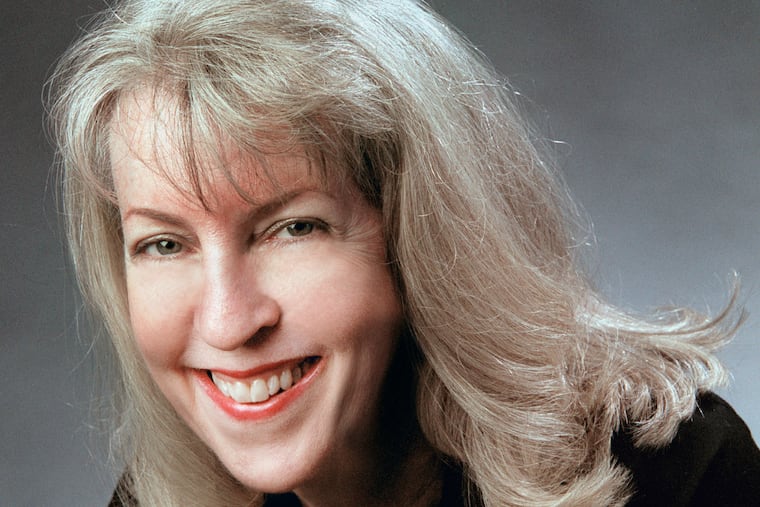
Kelly Ryan is the president of Jesuit Refugee Service USA. She is a former deputy assistant secretary of state for population, refugees, and migration, with more than three decades of experience across the U.S. Departments of Justice, State, and Homeland Security.