Shapiro’s silence on paid family leave stands in stark contrast to Democratic rivals. What gives?
While other rising-star governors like Tim Walz, Gretchen Whitmer, Gavin Newsom, and JB Pritzker have expanded paid leave in their states, Josh Shapiro has stayed silent on Pa.'s Family Care Act.
If there’s one thing all Americans can agree on these days, it’s the importance of family. The Trump administration — encouraged by conservative pronatalist groups — has equated family with fertility, hoping to increase the birth rate in the United States with a $5,000 “baby bonus” and a hollow award called a “National Medal of Motherhood” for women who give birth to more than six children.
Democrats, on the other hand, have focused on strengthening support for families by increasing access to affordable childcare and comprehensive maternal healthcare.
While national politicians continue to talk about families without much progress to show for it, state legislators have been working together on bipartisan solutions for years. And people across the political divide have begun to rally around one policy in particular: paid family and medical leave.
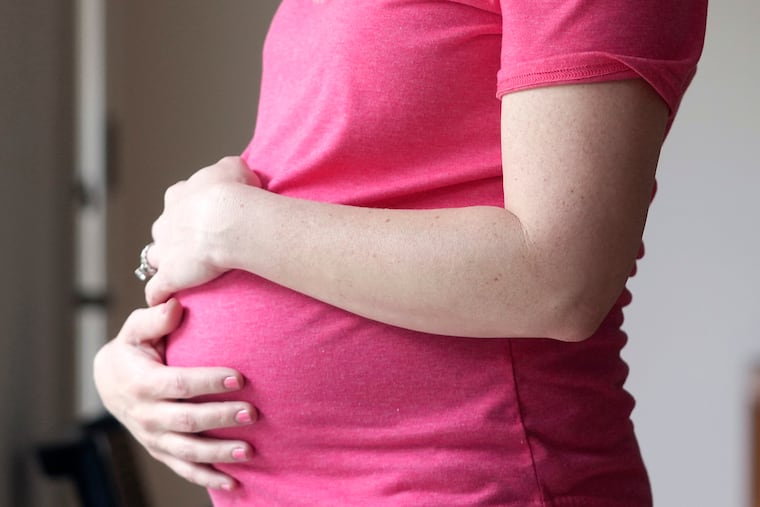
Everyone experiences life’s ups and downs, such as having children or caring for an ill parent after a stroke. So it’s hardly surprising that paid family and medical leave is popular across party lines, since it allows workers to keep their jobs when welcoming a new child, caring for an ill loved one, or recovering from a serious illness.
Gov. Josh Shapiro promised to embrace bipartisanship when he was elected to lead Pennsylvania. Now, Shapiro has an unparalleled opportunity to deliver by calling for a popular, bipartisan bill to make Pennsylvania the first swing state with paid family and medical leave. New polling shows overwhelming support among Pennsylvanians of all political stripes, with 81% of voters — including 67% of Republicans — supporting the policy. And polling on a national paid leave program also shows nearly eight in 10 Pennsylvania small-business owners are supportive.
Yet, Shapiro has been silent so far on the bipartisan effort in his legislature — the Family Care Act. The bill would cover nearly all of the state’s more than six million workers, including the four million who currently lack paid family and medical leave from their employer. The bill would give extra breathing room to Pennsylvania workers, who lose $2 billion in wages each year when they must take unpaid or partly paid leave, and could help the state become a welcoming home for growing families.
The Family Care Act would provide between 12 and 20 weeks of paid leave for workers to bond with a new child, care for a family member, address their own serious health condition, attend to the needs of a military family member, or seek assistance for domestic or sexual violence. People would receive most of their weekly earnings, up to a cap of about $1,350 per week.
Instead, Shapiro has endorsed making Pennsylvania a testing ground for a meager so-called portable benefits scheme, something gig companies like DoorDash, which have a history of flouting workers’ rights, have pushed for as an alternative to providing robust benefits to their workers.
Shapiro’s silence is puzzling given the bill’s strong bipartisan support. Nearly seven in 10 Pennsylvania voters — including half of Republicans — say they would be more likely to support a presidential candidate who champions paid family leave policies. But his silence also places Shapiro in stark contrast to his fellow rising-star governors — Tim Walz in Minnesota, Gretchen Whitmer in Michigan, Gavin Newsom in California, and JB Pritzker in Illinois — who have engaged in a heated race to the top to win and expand paid leave.
By championing the Family Care Act, Shapiro could score a first-of-its-kind bipartisan victory for the nation’s biggest swing state. This would not only deliver a bipartisan solution for six million Pennsylvania workers but also show workers across the nation — Republicans, Democrats, and independents alike — how Shapiro’s leadership could help them care for their families.
Rachel West is a senior fellow at the Century Foundation and recently served as special assistant to President Joe Biden for labor and workers at the White House Domestic Policy Council. Gayle Goldin is a senior fellow at the Century Foundation, previously having served as deputy director of the Women’s Bureau, U.S. Department of Labor, during the Biden-Harris administration.