When mom-and-pop businesses struggle, it’s everyone’s business
From increasing costs from tariffs on products to skyrocketing health insurance costs for employees, for small businesses, doing business in this economy is extremely difficult.
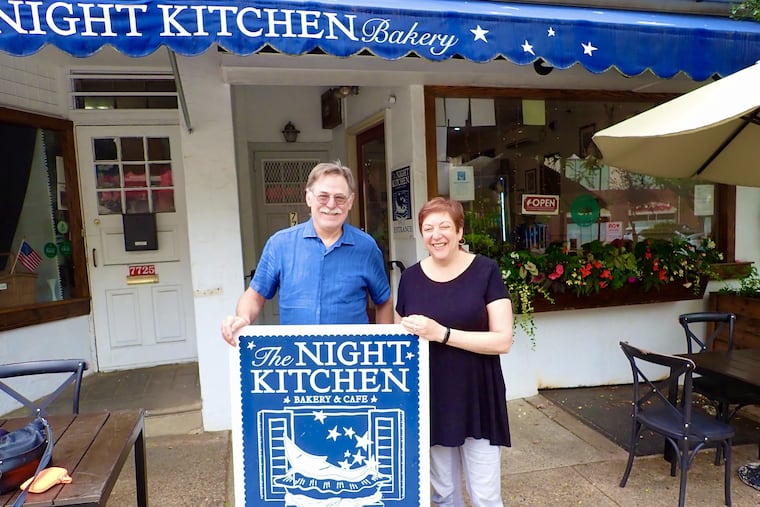
Twenty-five years of running a small business teach you a lot. I have owned the Night Kitchen Bakery since 2000, and worked in the food business for over 40 years, at hotels, restaurants, and for caterers. In that journey, you start to see patterns as to how the economy and major events affect the business.
We have had struggles over the years. The economic dip after 9/11. The Great Recession of 2008 to 2009. The COVID-19 pandemic and subsequent shutdown. Bird flu outbreaks that significantly increased the price of eggs.
To me, the current struggle is real — and likely avoidable.
Anyone who has ever worked in the food and/or hospitality business will tell you it is incredibly hard work, but often rewarding and sometimes exciting. Anyone who has owned a food business will tell you that owning one is even harder, but can also be the most satisfying work.
Food is love
Feeding people is a beautiful love language. For those of us lucky enough to keep our small businesses going for so long, we know that, as my grandmother used to say, “It is a nickel-and-dime business.” The bottom line is so small that price fluctuations in raw product, broken equipment, or increases in other business expenses can be the difference between a tiny profit, zero profit, or a significant loss.
Large losses can be impossible to recover from for a mom-and-pop shop, or even a medium-sized restaurant. We learn to keep an eye on the small details every day. We often change the way we operate with new technologies to help become more efficient. Our staff often have skills and knowledge we learn from to improve our operation. We watch as sales patterns emerge every day of the week, every season, every holiday, and every year.
Most people love to have a treat or entertain on weekends, so most food businesses are busier Friday through Sunday. Our biggest expense is staffing, and we adjust schedules to account for slow and busy times of the year. Much of it is an educated guessing game.
People tend to celebrate holidays at the same time, and want pies for Thanksgiving and cookies in December. Spring and warmer weather demand fruitier flavors. Buying seasonal products helps keep costs lower. Raw products constantly fluctuate, so we adjust our prices when we can without alienating our customer base. All this is challenging, but I’m used to it.
In my 25 years here, I have never seen costs fluctuate so wildly and frequently.
These days, however, are different.
We have not been able to increase the prices of some of our products to match the rise in the cost of ingredients. In my 25 years here, I have never seen costs fluctuate so wildly and frequently. The cost of raw products, such as chocolate, coffee, jams, and other imported ingredients, is going through the roof. My vendors tell me this is largely due to tariffs.
We cover the cost of health insurance for some employees, which is also one of our biggest monthly bills. We just received our rate sheet for 2026, and the increase is over 20% — the largest hike I have ever seen. This is another expense that will make doing business extremely difficult. Other business owners I know are also struggling.
Growing stress
I see the job market changing fast, and I am seeing more applicants than ever before. Several customers have confided in me that they have government jobs and are worried they will not receive back pay when they return to work. It is very stressful for them, and stress has a trickle-down effect.
This all adds up, not only in expenses for the business, but in time spent adjusting to all the factors. We are lucky. We have a loyal customer base and, so far, have been able to accommodate ourselves to the changing market, if barely.
But it can’t go on forever.
Small businesses make up the vast majority of all U.S. businesses. So I offer this not as a personal problem, but an alarm about what is happening to the economy as a whole.
What can be done? Everyone has to decide this for themselves, but I think action is needed. I am in touch with our government representatives regularly to express my concerns. Whatever your situation, everyone is affected and burdened by the choices our politicians are making.
After all, our business is your business, too.
Amy Beth Edelman has been co-owner of the Night Kitchen Bakery and Cafe in Chestnut Hill for 25 of the shop’s 44-year history. She lives in Bala Cynwyd.