Epiphany on South Street: Smartphones are hollowing out city life
The cost of having a mobile device always at hand is a degraded version of urban public life, a spreading sense of social isolation in one of the densest cities in the country.
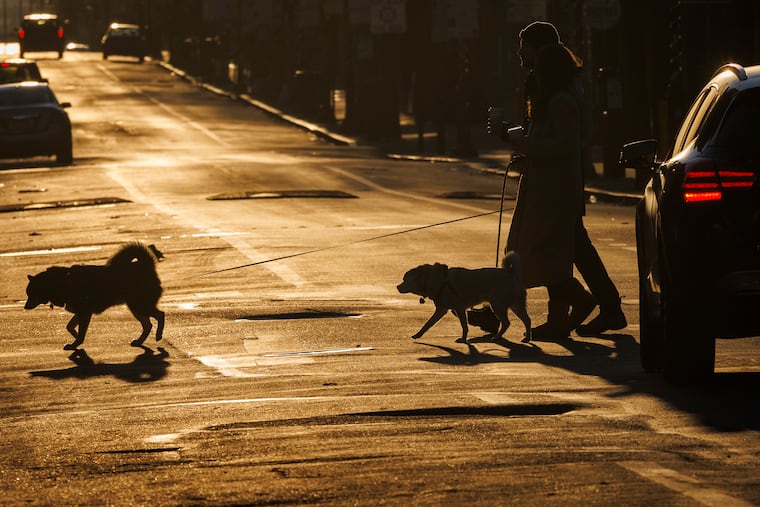
Walking my dog down South Street feels different from how it did when I first moved to Philadelphia nearly 10 years ago. I pass someone on the sidewalk, also walking their dog, say hi, and realize they don’t notice me — they’re looking at their phones or have their earbuds in.
And it’s not just dog walkers. At an outdoor concert recently, physical programs had been replaced by a digital version accessible only via QR code. The volunteer handing out wristbands was happy to tell me they were trying to save paper, which I can appreciate. But once I got inside, people were looking at phones, not each other.
I’m not the only one noticing these changes. Smartphones have recently come under increasing scrutiny from social scientists, parents and educators, and even concerned teenagers who are trading in their smartphones for flip phones. The New York Times recently ran an article on a growing community of such people, many of whom gather on the subreddit r/dumbphones; not long before that, there was a piece on “Luddite Clubs” at a Brooklyn high school. Closer to home, Philadelphia has a Luddite Club, and Temple students recently established their own.
If we collectively put our phones down, we might all be happier at the dog park, but nobody wants to go first.
As someone who traded in my smartphone for a dumbphone several years ago, I’m glad to see these developments. But I’m also doubtful that we’re witnessing a broader reassessment of smartphones. I’m skeptical because the smartphone-driven erosion of the public sphere has the structure of what economists call a “collective action problem”: a situation in which what’s rational for each person produces a bad outcome for the group.
At the dog park, where many people are now on their phones, pulling mine out feels like the path of least resistance. But then again, maybe everyone else is having the same thought, and we’re simply stuck in a bad equilibrium. If we collectively put our phones down, we might all be happier at the dog park, but nobody wants to go first.
Add to this the well-documented addictiveness of smartphones and social media — a phenomenon I’ve studied in my own research — and the problem begins to feel intractable.
While these problems aren’t easy to solve, an op-ed represents a unique opportunity to serve as something economists call a “coordination device”: a signal that many people see (and hopefully respond to) at the same time. Such a signal can help break free from a bad equilibrium. So let me use this opportunity to make an appeal to my fellow Philadelphians — business owners, civic organizations, universities, and, yes, individuals — to help loosen the grip of these devices and reinvigorate our public spaces.
Restaurants and bars: Please keep physical menus around so phones don’t have to intrude on dinner any more than they already do. We already have examples of this: At Reading Terminal Market or down Ninth Street in the Italian Market, phones mostly stay in pockets.
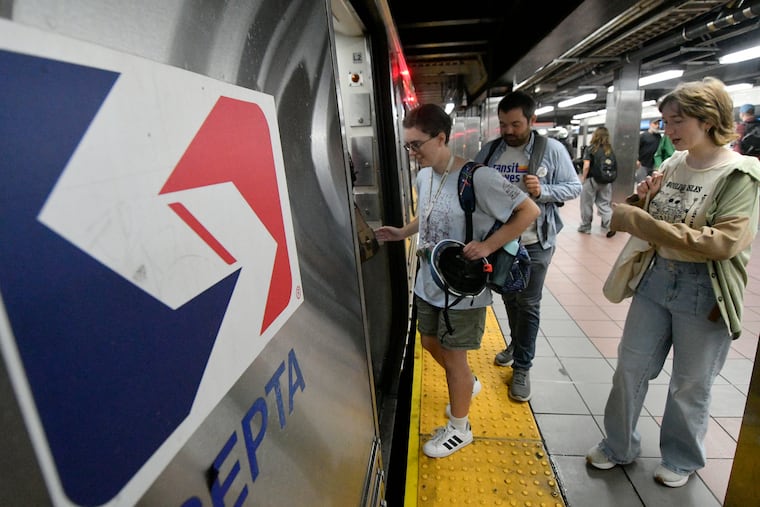
SEPTA: Thank you for resuming stocking printed schedules at Regional Rail stations, even as peer agencies have eliminated theirs.
Civic leaders: more city maps and more benches. Stoops are Philadelphia’s original public sphere, and public seating is one way to broaden that spirit citywide.
And for the rest of us, while a dumbphone may not be in your future, there’s something to be said for a walk without earbuds, or an evening with the phone left at home.
I recognize that printed menus are harder to update, and earbuds allow for multitasking. Smartphones offer undeniable convenience in each of these domains. But at what cost? Cities work, in part, because strangers cross paths and interact — on sidewalks, at counters, in waiting rooms — and each of these small conveniences chips away at that.
And when you add this all up, the cost is a degraded version of public life as it has existed, more or less, as long as we have had cities. At best, the consequence is a more socially siloed existence for all of us; at worst, a spreading sense of social isolation in one of the most dense cities in the country.
Cities depend on small, mostly forgettable interactions — someone saying hi on a walk, a brief conversation at a counter, a familiar face on the train. Lose enough of those, and city life starts to feel thinner. But small acts of defiance, such as those I’ve described above, can make a big difference — just ask the Temple Luddites.
And if you’re feeling really subversive, why not try a dumbphone?
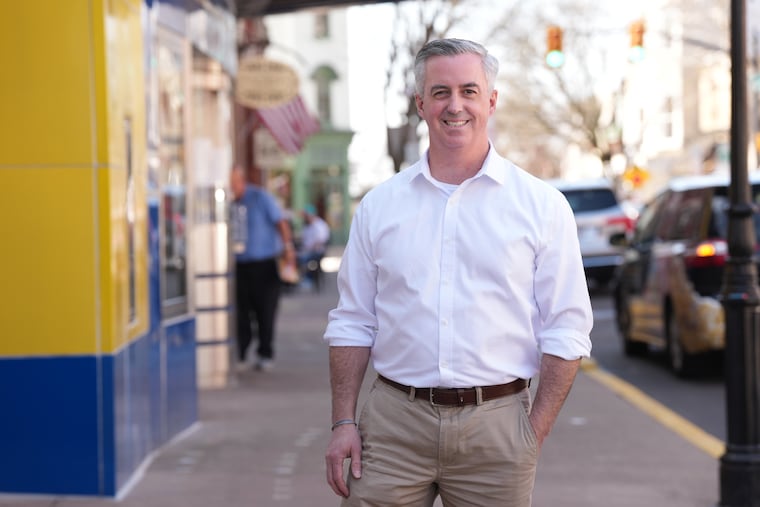
Tristan Potter is an associate professor of economics at Drexel University.

Inquirer Opinion Newsletter