As football season kicks off, it’s time to watch your back
While advances in prevention, treatment, and recovery have been profound, spinal injuries remain among the most devastating risks in contact sports.
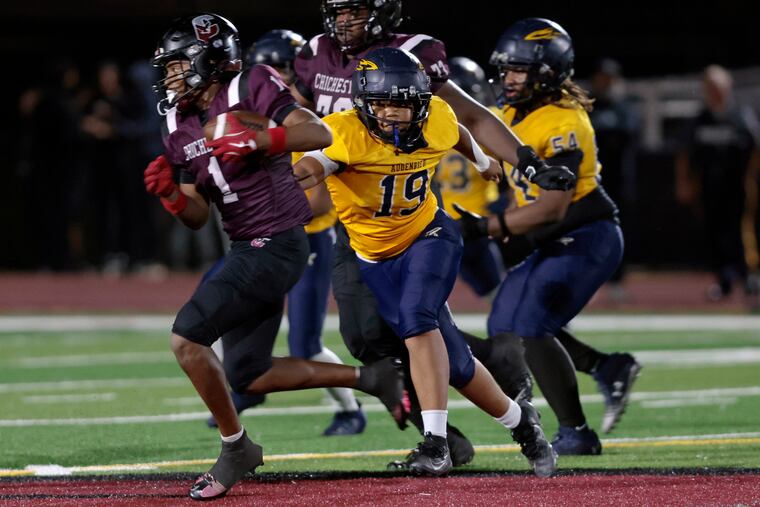
As September arrives, two important seasons converge in our region: Spinal Cord Injury Awareness Month and the kickoff of football at every level, from neighborhood sandlots to Lincoln Financial Field. For me, as both a spine surgeon and a past consultant for the Philadelphia Eagles, this month represents a chance to reflect on how far we’ve come in protecting athletes’ spines — and how much work still lies ahead.
Few moments capture the stakes more vividly than the injury of Adam Taliaferro, 25 years ago. In September 2000, the Penn State defensive back, a proud New Jersey native, suffered a catastrophic cervical spine injury during a game against Ohio State. His prognosis was grim, yet his remarkable recovery became a symbol of resilience for our community, and a wake-up call for the medical and sports worlds. That anniversary reminds us that while advances in prevention, treatment, and recovery have been profound, spinal injuries remain among the most devastating risks in contact sports.
Over the past two decades, football has undergone a cultural and technological transformation. Rule changes have limited dangerous tackles, equipment has been reengineered with biomechanics in mind, and sideline protocols have grown more rigorous. Advances in imaging, surgical techniques, and rehabilitation now mean injuries once considered career-ending or life-altering can be treated with outcomes unimaginable in Taliaferro’s time.
At Rothman Orthopaedics, where I serve alongside a team of dedicated spine specialists, we’ve witnessed firsthand how these improvements have significantly reduced spinal injuries and improved lives. Our clinical team and researchers help shape national protocols, from the NFL to collegiate and high school leagues, ensuring the latest evidence drives safety.
On the Eagles’ sideline, I see daily the level of preparation and collaboration among physicians, athletic trainers, and coaches. It is a model that should extend from professional fields to Friday night lights across Pennsylvania, New Jersey, and Delaware.
Yet, despite progress, spinal injuries persist. At Rothman, we continue to see a steady flow of young athletes — some as young as middle school — incurring spinal strains, sprains, herniated discs, and stingers. While catastrophic paralysis-inducing injuries are rarer today, the cumulative toll of repetitive hits, improper technique, and delayed diagnosis still threatens too many athletes’ futures.
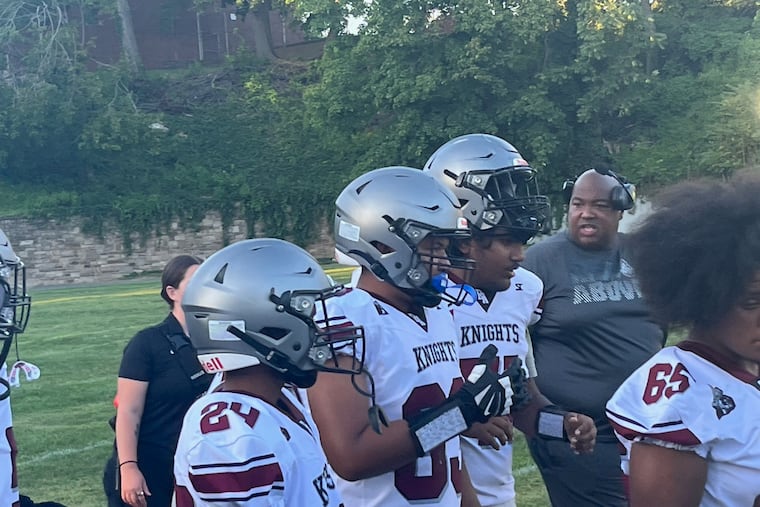
In Philadelphia and the surrounding region, football isn’t just a game; it’s part of our identity. From Pop Warner leagues in South Jersey to powerhouse high school programs in Pennsylvania and Delaware, young athletes dream of wearing Eagles green. That passion deserves to be met with equal commitment to their safety.
As we cheer for the Birds this season, we must also look out for the kids who will one day fill their shoes. Protecting spines means protecting futures — not only athletic careers, but also the ability to walk across a graduation stage, to pick up a child, or to lead a full life.
So, what more can we do?
Education: Parents, coaches, and athletes must be trained to recognize warning signs — numbness, weakness, or persistent pain should never be ignored.
Sideline readiness: Every program, no matter how small, should have access to certified athletic trainers and clear spinal injury protocols. Quick, informed action saves lives.
Investment in research and innovation: From advanced helmet design to regenerative therapies for spinal cord injuries, research holds the key to the next generation of breakthroughs. Our community should champion these efforts.
Equal access to care: Whether you’re a pro athlete or a high school sophomore, you deserve the same access to rapid diagnosis, expert treatment, and thoughtful rehabilitation.
Twenty-five years after Taliaferro’s injury, his courage continues to inspire us. His journey — and the journeys of countless others — remind us of the stakes and the responsibility we share. Spinal cord injuries may be rare, but they are life-changing. With vigilance, innovation, and commitment, we can make the game safer for every player at every level.
As both a surgeon and a Philadelphian, I know this region’s love of football runs deep. Let’s ensure that love extends to protecting the very thing that makes the game possible: the health and strength of the athletes’ spines.
Alexander R. Vaccaro is the president of Rothman Orthopaedics. He is a professor and chairman of the department of orthopaedic surgery and a professor of neurosurgery at Thomas Jefferson University. Vaccaro was also the spine consultant for the Philadelphia Eagles for 20 years.