From the woods to the web: ‘Stand By Me’ and the traumasphere
Watching the classic movie with my son opened a conversation about trauma, about being a boy then and now, and about the weight of the past and abandonment by society.
Around 2 a.m. a few weeks ago, I stumbled into bed while my husband and two sons slept after getting sucked into Inside the Manosphere. In this new Netflix documentary capturing the intrigue of America, Louis Theroux follows several influencers, men in their early 20s to mid-30s, who opportunistically prey on and profit from the attention of teenage boys.
Watching it through my psychologist and mom filter was intense and upsetting. Taking in the extremeness of these men’s worldview, the pain in their hearts, and the actual harm they are doing in real time, the allusions to paternal abandonment and childhood traumas couldn’t be ignored.
Then it dawned on me: This is intergenerational trauma.
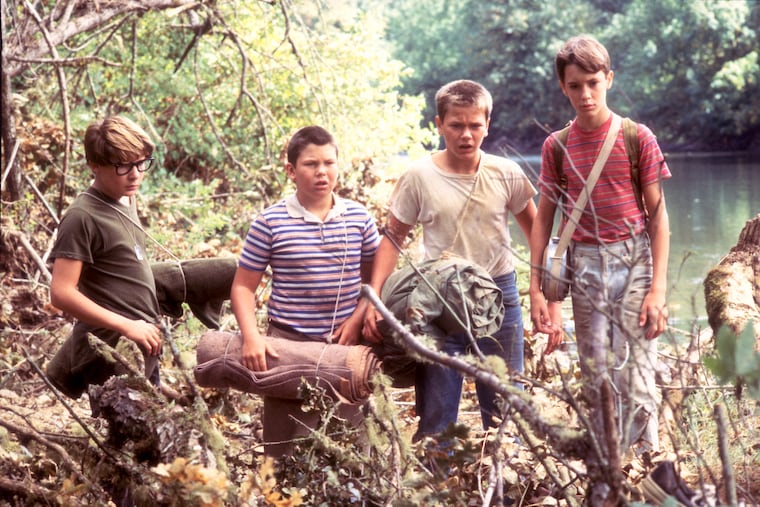
The next day, my mind flashed back to the movie Stand By Me, which is having its 40th anniversary. A Rob Reiner classic, the movie, set in 1959, follows four 12-year-old boys on a mission through the Oregon forest to find the body of a missing teen. When I first saw it in the early ’90s, I connected with the longing for adventure and independence.
But viewing it a second time a few months ago with my almost 13-year-old son and husband was an entirely different experience.
I realized all these boys’ fathers were dismissive or neglectful at best, and brutally abusive at worst. These fathers were back from World War II — traumatized, struggling, and emotionally numb. They were passing their own childhood and combat traumas directly onto their sons.
The film shows us a pathway of escape. When Chris tells Gordie, “I wish I could go some place where nobody knows me,” he is seeking to leave it all behind: the abuse, the bullying, the label of being a thief and a bad kid.
The forest became a sanctuary, a place the boys could practice the compassion and openness they longed for but did not get from their fathers, and this, I believe, changed their trajectories for the better. Though it didn’t save them from future hardship, the woods gave them a chance at more meaningful lives, where they had purpose and felt an internal steadiness.
By the ’70s and ’80s, the pathway to escape had shifted. Sons didn’t go to the woods with their friends; they were sent to the basement by parents afraid of myths of ubiquitous kidnappers and the very real surge in gun violence. In those basements, they numbed out on video games — a quieter, isolated withdrawal. They were the Gen X latchkey kids.
Fast-forward to 2026. Social media has become an asylum for boys who feel there is no longer a physical or cultural place for them.
The influencers featured in the documentary would be the age of the great-grandchildren of the abusive fathers in Stand By Me. They aren’t just the architects of the manosphere; they are symptomatic of its deepest wounds, caught in a cycle of needing to flex power over others just to feel they exist. Like their grandfathers, they are seeking purpose and place. But they don’t have the woods. It is unresolved trauma, reawakened in a generation of boys and men desperate to feel they matter.
When the cultural conversation around masculinity feels like a list of things boys are doing wrong, it’s no wonder they flee to influencers who tell them they are kings.
I am scared and worried. We think we are doing a good job with our son, yet even he expresses a sense of needing to be sorry for just being a boy. When the cultural conversation around masculinity feels like a list of things boys are doing wrong, it’s no wonder they flee to influencers who tell them they are kings.
The solution to this digital radicalization isn’t just found in a therapist’s office. It is found in reclaiming the woods — those rare, unsupervised spaces where boys are allowed to be human without an audience. We have to offer these young males — both the influencers and my son’s generation — authentic compassion as a way out of isolation.
Without it, we risk leaving them in a “traumasphere” where performative power is a pathetic substitute for authentic connection.
Unexpectedly, watching Stand By Me with my son ended up being more than just sharing a classic movie. It opened a conversation about trauma, about being a boy then and now, and about the weight of the past and abandonment by society.
Hopefully, he could see that true strength isn’t found in the rage of his grandfather’s generation, the numbing of mine, or the desperate status-seeking of young male influencers and their followers.
Instead, it’s found in the courage to stand by his friends, stay curious, open, and caring even when it’s messy. I hope we can find the collective will to protect those spaces for our sons before the digital echo chamber becomes the only place they have left.
Keren Sofer is a psychologist in Philadelphia.