The president is wrong — the discussion of slavery in our nation’s past is essential to America’s present
If we fail to remember slavery honestly, if we silence its lessons, then we risk repeating the very injustices our ancestors bled to overcome.
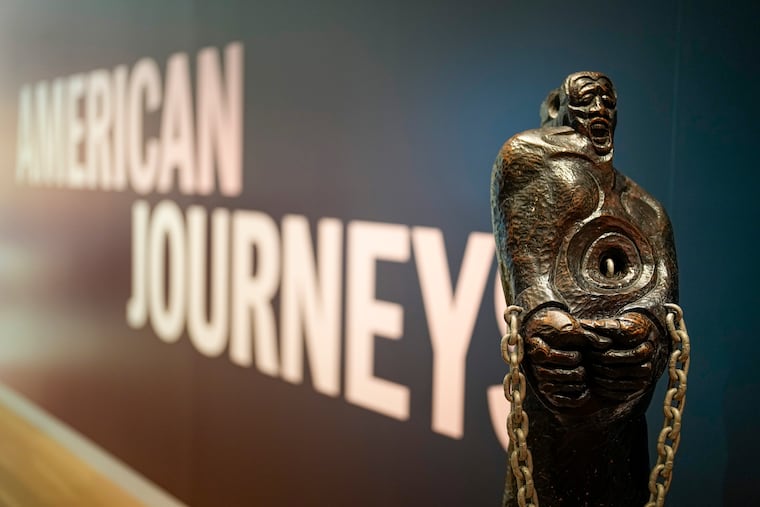
Whenever the Jewish Holocaust is mentioned, it is done with respect, reverence, and resolve. The phrase “Never Again” is not just a slogan — it is a sacred vow, born of unimaginable suffering and the determination that future generations must never repeat such horror. Holocaust deniers are not merely misinformed; they are trapped in the dark grip of antisemitism. We know exactly where their voices come from and what they represent.
The same must be said about those in America who bristle at the discussion of slavery — those who argue there is too much emphasis on it in our classrooms, museums, or public conversations. When I hear that, I know exactly who you are and where you are coming from.
White supremacy has always resisted the full acknowledgment of slavery because it forces us to confront a painful truth: Slavery was America’s original sin.
Now let me be clear: This perspective is not “woke.” I was never asleep.
The discussion of slavery is essential for the same reasons the Holocaust must be remembered: so that it will never happen again. American slavery was not some minor blemish on our history; it was a brutal shortcut to building a great nation.
For 250 years, this country sacrificed integrity and the very value of freedom on the altar of economic gain. The foundation of American wealth was laid on the backs of enslaved Africans who were treated not as people, but as property.
We must remember that ending slavery nearly destroyed the Union. We must remember that the race, class, and caste of people who profited from slavery did not disappear with emancipation. After Abraham Lincoln’s assassination, America slid into nearly 100 years of Jim Crow laws — designed to keep the descendants of the enslaved forever second-class citizens.
This is why the discussion cannot end.
I am a proud African American. I stand and salute the flag when the national anthem is played. Every generation of my family has men who fought and died for this country. I am as American as apple pie — and so is slavery. You cannot erase one without erasing the other.
What must never happen again is the rewriting of history. Germany in the 1930s teaches us the dangers of pursuing that path.
In America today, I see similar warning signs.
We have leaders who threaten museums, censor historians, and ban books. We have political figures who misuse executive orders as though they were laws, forgetting that in our constitutional system, only Congress makes laws, and the courts enforce them. When people forget this balance, they give far too much power to one individual. That is the path of dictatorship.
It is not about guilt — it is about truth. It is not about dividing America — it is about healing America.
The real danger, however, lies not only in the leaders but in the millions of people who are influenced by their words.
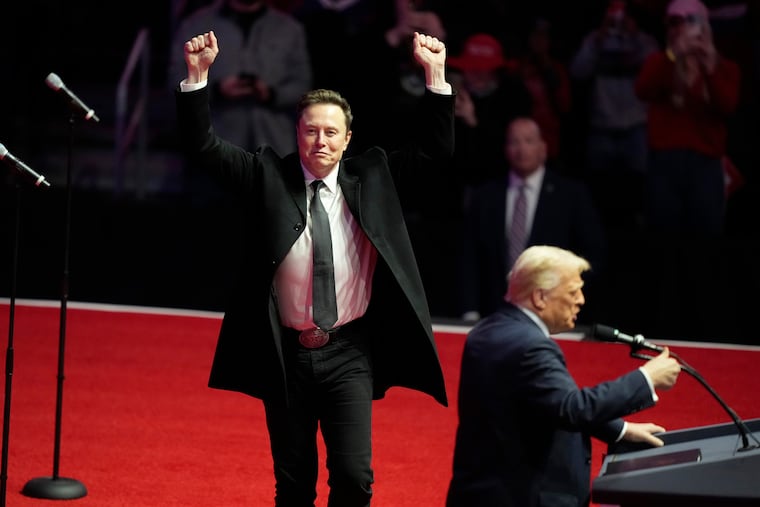
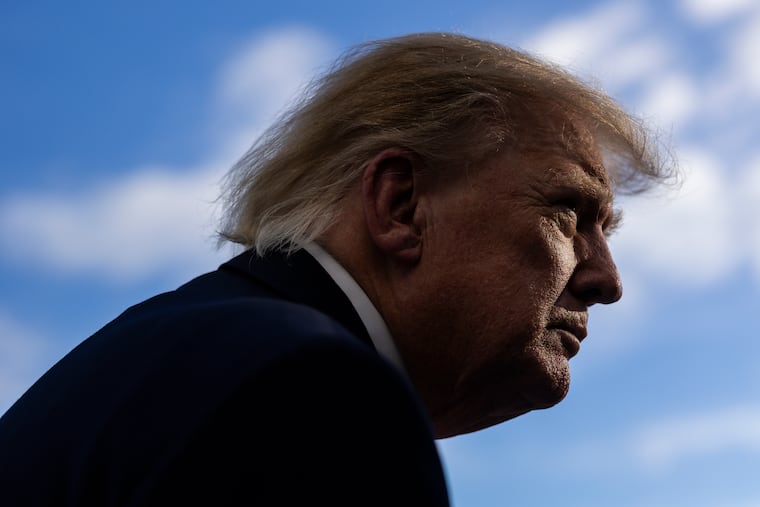
Social media has made President Donald Trump an “Influencer-in-Chief.” When he posts, millions believe it. When he says something, millions of his supporters repeat it as gospel. Teddy Roosevelt once called the presidency a “bully pulpit,” but today it is more like a megaphone on steroids.
And when history is distorted through that megaphone, truth itself is under siege.
This is why the conversation about slavery matters. It is not about guilt — it is about truth. It is not about dividing America — it is about healing America.
We cannot afford to forget or minimize the atrocity that shaped our nation’s beginning. Just as the world understands the horrors of the Holocaust and that humanity must never again descend into such darkness, so, too, must America confront the evil of slavery to guard against its repetition in new forms.
We are living in dangerous times, when propaganda spreads faster than facts, and people are willing to sacrifice truth for comfort. But history is not meant to make us comfortable; it is meant to make us wise. If we fail to remember slavery honestly, if we silence its lessons, then we risk repeating the very injustices our ancestors bled to overcome.
I love America deeply. I believe in her promise. But love requires honesty, and honesty requires us to keep telling the truth about slavery. For if we forget, if we look away, then the seeds of hatred and oppression will sprout again. And this time, the blame will be on us.
Michel J. Faulkner, a former NFL player, community leader, pastor, and registered Republican, is chair of the board of directors of the Philadelphia Council of Clergy.