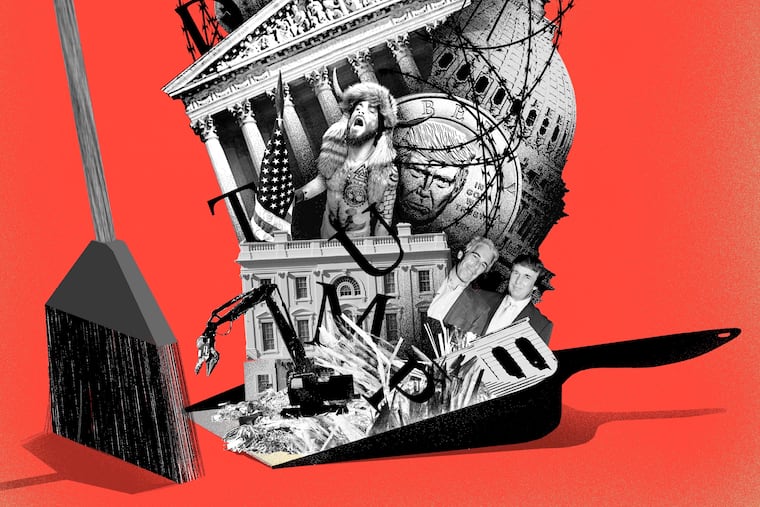
Are voters on the religious right beginning to question their enduring loyalty to Trump?
Despite declining numbers in some polls, Republican candidates are hoping that those members of the electorate pundits call “evangelical Christians” will help them beat Democrats in November.
“Forced worship stinks in God’s nostrils.”
— Roger Williams, Baptist founder of the Rhode Island colony, 1644
More than one hundred years before the United States was born, its forebears warned that mixing religion and politics might not be proper in every endeavor. Yet, here we are centuries later, and one of the most intriguing questions facing our nation is how those Americans loosely labeled by pollsters as evangelical Christians will vote in this year’s congressional elections.
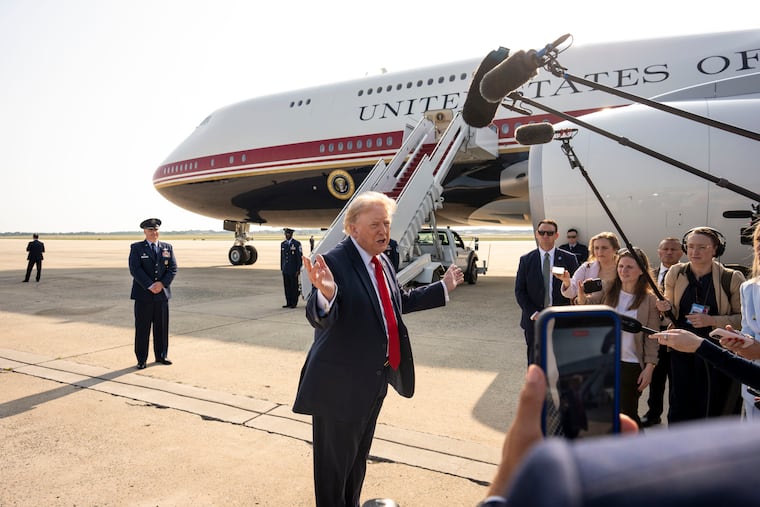
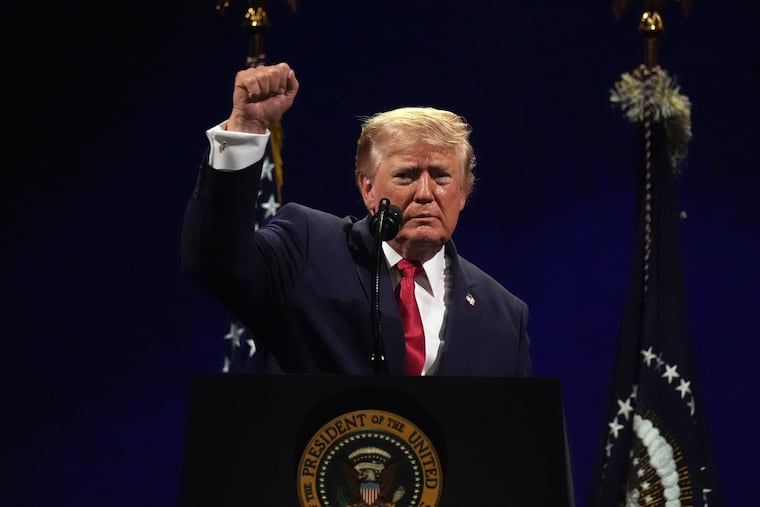
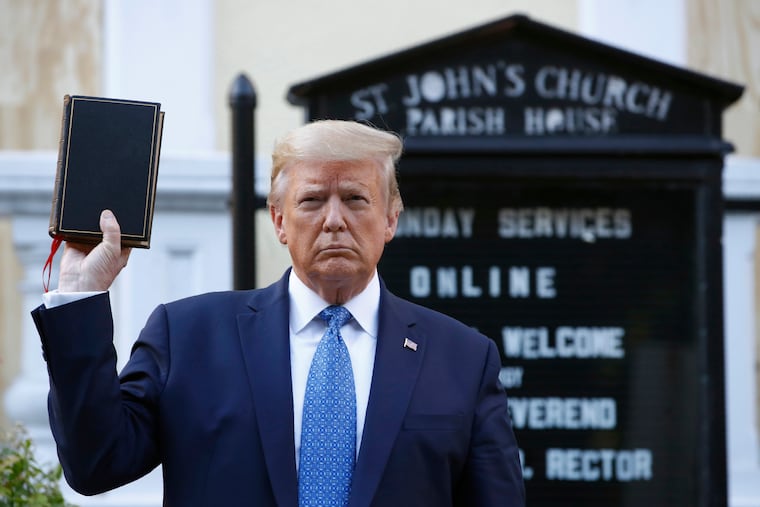
Donald Trump won the presidency in 2024 by hugging Bibles, feigning piety, and reminding the religious right that it was the three conservative U.S. Supreme Court justices he appointed during his first term that secured the majority ruling in 2022 that overturned the Roe v. Wade opinion, which, since 1973, had more broadly protected a woman’s right to have an abortion.
Trump still likes schmoozing with megachurch pastors and other celebrities among the religious glitterati. But unable to run for a third term, he no longer needs as many photo ops with preachers and has even begun expressing doubts that he may one day walk through the pearly gates of heaven.
Trump’s pondering damnation suggests his preacher friends have been unsuccessful in making him a believer in the Bible’s principal lesson that heaven is open to any sinner who repents. Or maybe Trump has heard the Gospel but dismissed it. Either way, his lack of clarity hasn’t stopped Republican candidates from hoping the religious right’s seemingly blind allegiance to the president will help them beat Democrats in November.
The battle for Christendom has been particularly intense in the Texas Republican primary race for U.S. senator between four-term incumbent John Cornyn and state Attorney General Ken Paxton. Neither of them has an auspicious record of regular church attendance, and they’re like peas in a pod when it comes to most political issues. That has caused Trump to be coy about which one he will support in their looming May 26 runoff.
Trump doesn’t like that Cornyn has, on rare occasions, crossed the aisle to vote with Democrats, but Paxton has baggage that makes him a risky bet. The alleged serial adulterer is being divorced by his wife of 38 years on “biblical grounds,” and escaped being jailed for a securities fraud charge two years ago by negotiating a plea deal that only required community service.
Trump’s endorsing someone with such a scandalous past as Paxton’s could affect how some Christians vote in midterm elections far beyond Texas. Many Christians trying to maintain their propriety credentials are beginning to question their continued loyalty to a president who has been unable to escape scrutiny into his past relationship with deceased sexual offender Jeffrey Epstein.
Polls still show strong support for Trump among the religious right, but in the past year, there has been a significant drop (from 78% to 69%) in the number of white evangelical Christians who believe Trump acts ethically in office. That decline is meaningful to me, having witnessed Trump’s impact on a small, mostly white church in South Jersey that my wife and I attended for more than 15 years before deciding we no longer could.
Neither of us had done more than visit a few white churches before joining this one. In fact, I still consider Westminster Presbyterian in Birmingham, Ala., to be my home church, and was appreciative when it hosted a book signing for me several months ago. Westminster was pastored by the Rev. John Rice Jr. when I was a child, and his daughter, Condoleezza, at times accompanied the church choir on piano.
Since becoming an adult, educational and job opportunities have led me to live in five other states. After moving to South Jersey in 1999, friendly neighbors invited my wife and me to worship with them at a little church about two miles from home. We felt not just welcome but wanted by the congregation, even though on many Sundays we were the only Black folks there. We found joy in attending Bible studies and other church activities with people who truly care about each other.
But then came Trump, who tapped evangelical votes in the 2017 presidential election by linking his campaign to the pro-life movement. Church members who seemed to tie their political support to that one issue became more and more vocal in expressing their support for Trump during casual conversations. Their concordant disdain for incumbent President Barack Obama suggested that they assumed my wife and I must be fellow travelers. Nothing could have been further from the truth. But instead of arguing politics with people that we considered friends in Christ, we quietly began looking for another church.
Before we found one, a new job opportunity moved us to Texas, which I chalked up as part of God’s plan for our family. After some months, we found a new church. Its congregation is about five times larger than the one we attended in South Jersey, but it’s just as welcoming to newcomers. It’s also mostly Black. That was never a criterion for finding a new church. Nor was finding a church that stresses the separation between politics and religion, but we like that this one does.
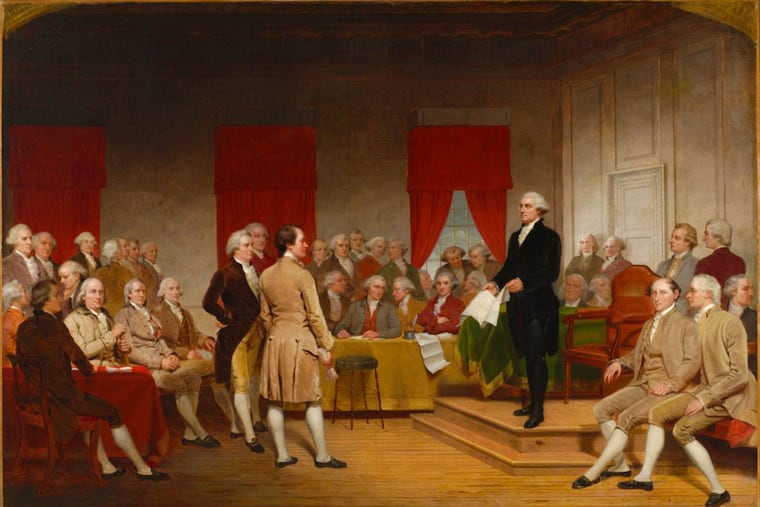
Too many Americans have forgotten or never learned that separating religion and politics was crucial to the formation of the United States. For 250 years, our country’s appeal to people from all nations and all faiths, as well as those who subscribe to no religion at all, has served as a welcoming beacon to the rest of the world. Those who suggest otherwise, those who prefer closing borders to writing reasonable regulations that allow all who qualify to seek citizenship, are destroying this country’s legacy of inclusion.
That’s why this year’s midterm congressional elections are so important. The president won’t be on the ballot, but how he runs the country will be. Americans can vote out the divisiveness that, in many respects, has paralyzed this nation, and embrace what helps us work together better. No more lapdog politicians pledging allegiance to an individual instead of their nation. No more undeclared wars costing billions of dollars and too many unnecessary deaths. Vote for unity.
Harold Jackson, who served as editorial page editor for The Inquirer from 2007 to 2017, was awarded the Pulitzer Prize for editorial writing in 1991 and retired from the Houston Chronicle in 2020. His memoir, “Under the Sun: A Black Journalist’s Journey,” was published in April by the University of Alabama Press.