Trump’s school discipline order will push more kids out of school
Instead of confronting real dangers like gun violence, this administration targets children, families, and the underresourced schools that are doing their best to support them.
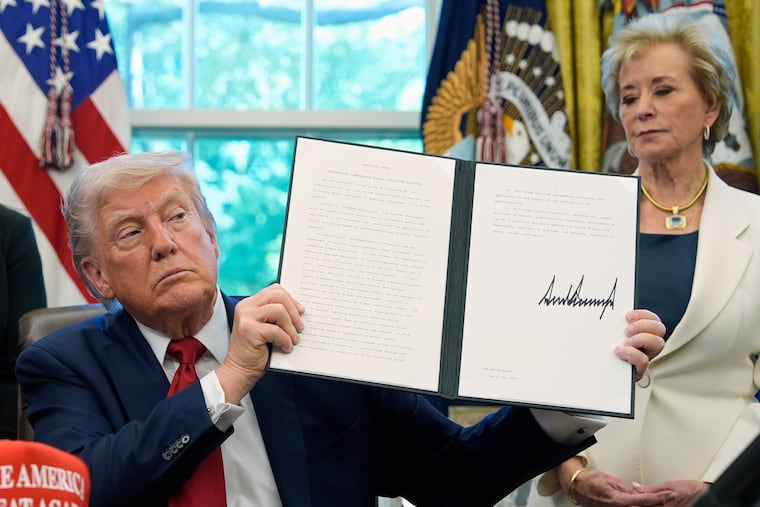
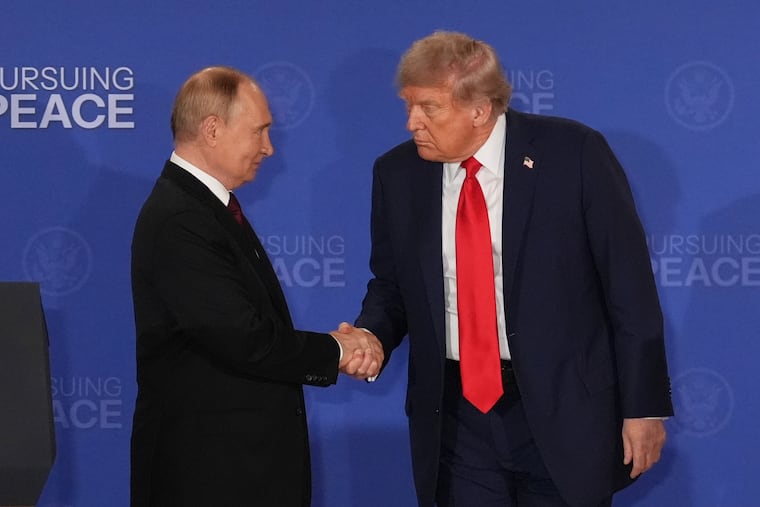
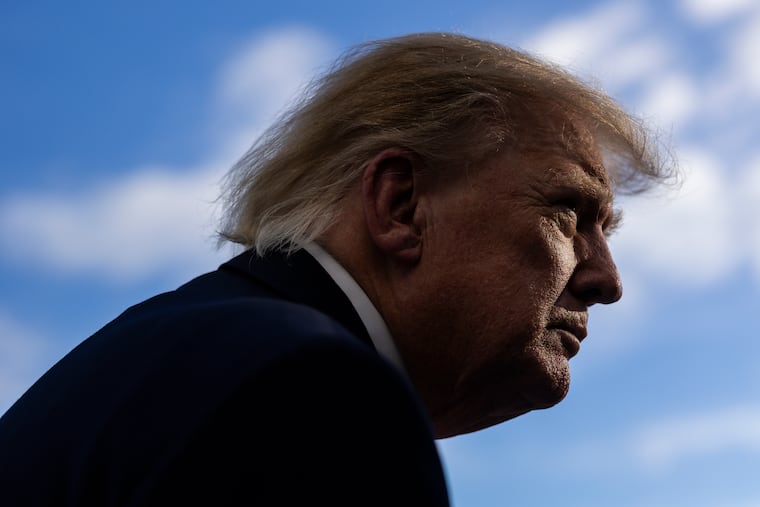
President Donald Trump’s recent executive order targeting school discipline policies is built on flawed logic, misinterprets the data, and threatens to undo more than a decade of progress. Rather than making schools safer, it risks inflicting harm on the very students who most need support.
The order claims the Obama-era “Dear Colleague” guidance forced schools to “discriminate on the basis of race.” This is flatly false. That 2014 guidance drew attention to persistent racial disparities in discipline, particularly the disproportionate impact of suspensions on Black students. The guidance called on schools to eliminate discrimination, not create it.
The Trump administration does raise a valid point: simply reducing suspensions without addressing underlying behavior can lead to underreporting or ineffective policy. But instead of addressing the causes of misbehavior — trauma, poverty, inadequate support — the administration doubles down on exclusionary discipline, despite overwhelming evidence that it does more harm than good.
It’s not a path to safety — it’s a pipeline to lost potential.
Sending children home does nothing to resolve the root causes of disruption. It may offer temporary relief for educators, but it deprives students of learning opportunities and increases the risk of academic failure, dropout, and eventual involvement with the justice system.
Exclusionary discipline is associated with lower test scores, poor attendance, and reduced graduation and matriculation rates. It’s not a path to safety — it’s a pipeline to lost potential.
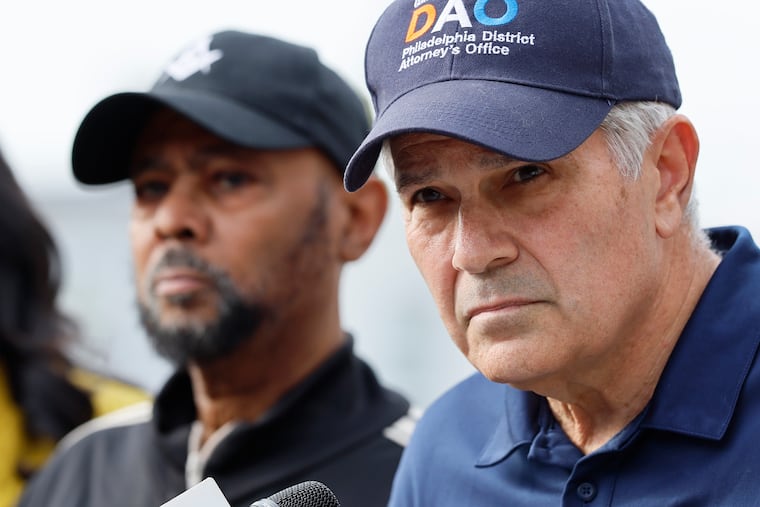
Philadelphia offers a better way forward. Once a national leader in punitive discipline, the city has seen a dramatic shift under Police Commissioner Kevin J. Bethel’s diversion initiative, which replaced suspensions and arrests with supportive interventions.
“A child could be getting abused at home, have no food at home, and then we don’t even ask them questions before arresting them?” Bethel said. “I’ve watched us use the stick for discipline for decades. But the stick hasn’t worked.”
These programs, often supported by federal grants, have helped reduce unnecessary punishment and restore a sense of justice and care in schools.
Trump’s order jeopardizes hard-won progress at a time when much more remains to be done. It threatens funding for proven programs and strips away vital federal oversight, even as many schools continue to overdiscipline students and racial disparities remain stark.
In Mississippi, South Carolina, and Washington, D.C., 15% of students received at least one out-of-school suspension, three times the national rate. Some schools even suspend more than half their student body. In one Tennessee county alone, 17 schools did so in one year, with Memphis’ Trezevant High School reporting a rate of 99%.
Meanwhile, corporal punishment remains legal in 17 states. In Alabama’s Pickens County, policy still permits the use of a wooden paddle — 24 inches long, half an inch thick. The consequences can be devastating. When Mississippi eighth-grader Trey Clayton refused to sit in his assigned seat, he was struck so forcefully that he fainted and collapsed face-first onto a concrete floor, shattering five teeth and breaking his jaw.
Most disturbing, since 2000, more than 2,600 children between the ages of 5 and 9 have been arrested in school.
In one harrowing case, 6-year-old Kaia Rolle was zip-tied and arrested after a tantrum in her Florida classroom. On police body-cam footage, she pleads, “I don’t want to go to the police car.” She was fingerprinted, had a mug shot taken, and was charged with battery.
Keeping children safe is paramount — but that commitment must apply to all children, not just some.
To make matters worse, most suspensions aren’t issued for weapons or violence, but for minor misbehavior. Instead of confronting real dangers like gun violence, this administration targets children, families, and the underresourced schools that are doing their best to support them.
If Trump truly wanted to protect students, he’d address the systemic inequalities that drive discipline disparities. Instead, he threatens to withhold federal funding — most of which supports schools serving low-income students — exacerbating the very problems he claims to solve.
The Obama-era guidance wasn’t perfect, but it marked real progress. Trump’s order drags us backward, ignoring decades of research and hard-earned lessons about what actually works.
Misbehavior is often a signal — a plea for help, not a justification for removal. Real discipline teaches; it doesn’t discard. We’ve seen the damage exclusionary policies can do. If we fail to resist this rollback, we shouldn’t be surprised when more children are pushed out of classrooms and into courtrooms.
Trump claims to protect America’s children, but his policies will lock up their futures.
AJ Ernst worked as a teacher and administrator in Philadelphia for 13 years and has his doctorate from the University of Pennsylvania Graduate School of Education.