Texas redistricting is no routine adjustment. The GOP aims to fracture Latino neighborhoods and dilute votes.
The GOP talks about “fair maps,” but by slicing densely Latino neighborhoods into multiple districts and confining others into token “majority-Hispanic” seats, they hope to shrink Hispanic influence.
Latinos account for 40% of Texas’s population — a plurality of the state — and we power every corner of its economy. From the skilled hands laying asphalt on our highways to the engineers designing our power grids to running small businesses, and being a force in healthcare, education, and hospitality industries, Latino workers keep Texas running.
Yet, Republican lawmakers in Austin have called a special session to redraw legislative and congressional maps now, barely halfway through the decade, rather than waiting for the next census in 2030. Their aim is simple: fracture Latino neighborhoods, dilute our votes, and entrench their own majorities.
This is no routine adjustment. It is a direct assault on the people who sustain Texas’s growth, and it will boomerang on those who orchestrate it.
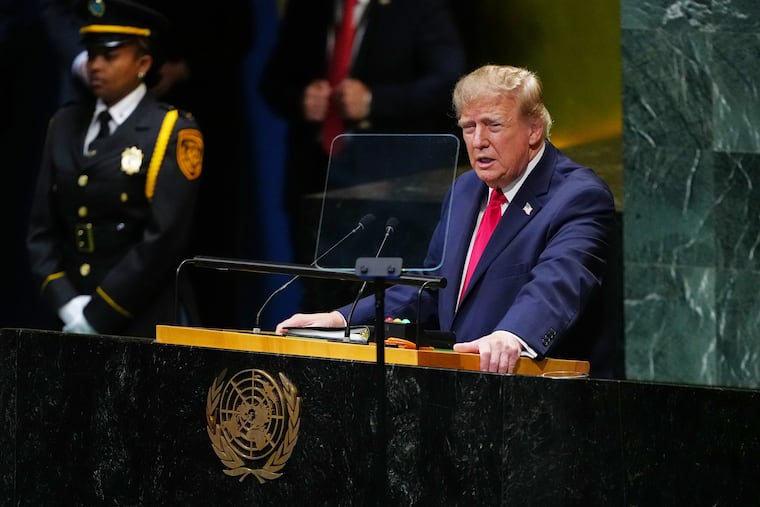
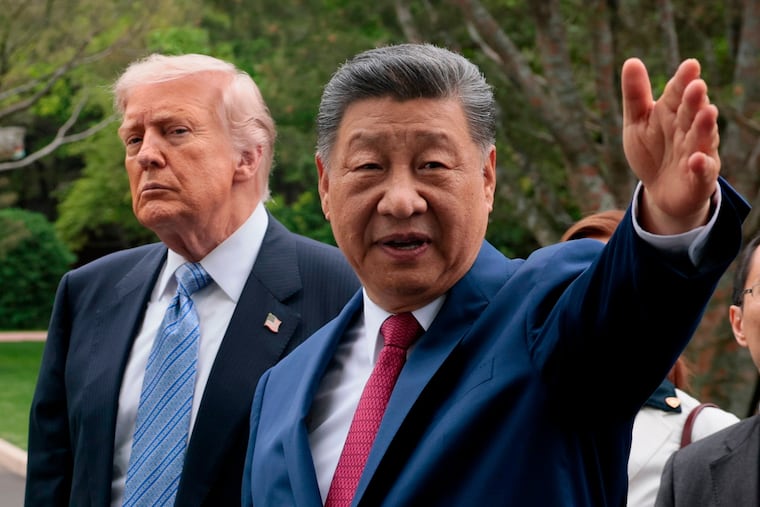
Earlier this summer, President Donald Trump called on Gov. Greg Abbott to guarantee five additional Republican congressional seats in Texas ahead of the 2026 elections — seats the president feels “entitled to.” That entitlement is being manufactured through gerrymandering — a process in which politicians choose their voters, instead of voters choosing their representatives.
When you strip away representation from communities that fill critical roles in hospitals, schools, and factories, you weaken the very workforce and sense of community that underpins the state’s prosperity.
Republicans talk about “fair maps,” but by slicing densely Latino neighborhoods into multiple districts and confining others into token “majority-Hispanic” seats, they hope to shrink Hispanic influence. They spread fear about social services and subsidies, painting hardworking families as dependent on handouts, or worse, as criminals. Yet, our communities measure success by effort, solidarity, and self-respect, not by charity.
At the same time, proposals to cut healthcare subsidies, reduce education funding that heavily impacts Latino-majority schools, and scale back workforce training programs threaten to leave employers scrambling to find the skilled, educated workers needed to keep the economy moving.
These cuts also threaten the quality of life for Hispanics and Latinos. Costs will climb, deadlines will slip, and projects will stall, all because decision-makers refused to actually recognize the value of nearly half the state’s population.
To mask this underrepresentation, Texas Republicans are now proposing a new map that includes four majority-Hispanic districts — but let’s be clear: this is strategic, not equitable. They’re betting on Trump’s performance in 2024, when he captured nearly 48% of the Latino vote in Texas. Only six of the state’s 36 members of Congress are Hispanic or Latino, and all of them represent majority-Latino districts. That’s just 17% of the delegation, despite Latinos making up nearly half the state. That’s not representative — that’s erasure by design.
This moment demands more than protests; it demands a movement. We must realize our power — voting, economic, labor, and financial. From the Rio Grande Valley to Houston, over to El Paso, Hispanics and Latinos must unite behind a single message: Our communities cannot be carved up for partisan gain. We must push back to end this.
More than 51 Texas House Democrats have fled the state to prevent Trump from getting his way. Threats of criminal charges and arrests by Texas Attorney General Ken Paxton and Abbott have already been issued to those Texas House members, including threats to remove them from office.
These members include a large delegation from the Mexican American Legislative Caucus, led by Chairman and State Rep. Ramon Romero Jr., who understands the impacts these maps have on our communities. Their goal is to hold out until the special session ends later this month — or even longer.
That’s why this redistricting power grab matters. Our representation in Congress is about more than party politics — it’s about having leaders who will fight for our families, our future, and our fair share. Yet, time and time again, we’ve seen Republicans — including Latino Republicans — fall in line with policies from Trump that directly harm the communities they claim to represent.
From the Trump tariffs to the unconstitutional U.S. Immigration and Customs Enforcement raids to the cost of groceries continuing to rise, many of Trump’s policies have been a direct attack on our communities. Texas Republicans are now placing a big bet on Hispanic voters falling in line, against their own interests.
The question is, will that bet pay off?
Eric Holguín is the Texas state director for UnidosUS ActionFund, a national nonprofit advocating for Latino political power.