Manufactured ‘fraud’ narrative threatens veterans’ disability benefits
Denigrating veterans by dismissing their medical conditions, including PTSD, takes the focus off the real problem: Veterans Affairs mismanagement.
In the five-county Philadelphia region, nearly 34,000 veterans depend on U.S. Department of Veterans Affairs disability benefits. These benefits are not just a lifeline; they are a powerful economic engine that pumps nearly $955 million into our local economy every year.
But on Oct. 29, the U.S. Senate Veterans’ Affairs Committee held a hearing to “reform” the disability system, laying the groundwork to gut this vital support by using a false narrative that targets the very veterans who need it most.
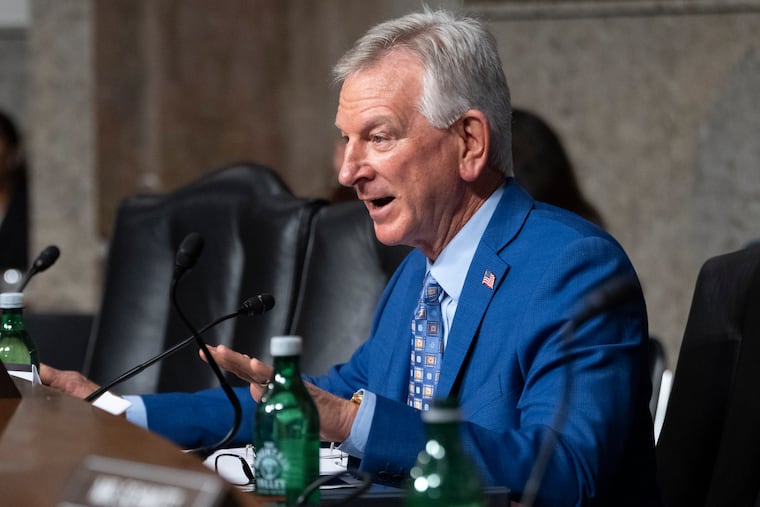
The hearing was built around a proposal by Sen. Tommy Tuberville (R., Ala.) to create a commission similar to a Base Realignment and Closure (BRAC) procedure to fast-track changes, and by the testimony of one star witness, Daniel Gade.
Gade, a retired Army colonel, professor, and disabilities activist who was badly wounded in Iraq and is now running for a U.S. Senate seat in Virginia, argued that disability benefits “rob veterans of purpose” and that conditions like tinnitus and hypertension should not be compensated.
As a Navy veteran and a medical student, I was alarmed by the medical and data-driven inaccuracies used to justify this attack.
Questioning PTSD
Gade’s claim that PTSD is “curable,” and thus shouldn’t be permanently compensated, is medically false. As any first-year medical student knows, post-traumatic stress disorder is a chronic condition that, at best, can be managed into remission. It is not “cured.”
Gade’s dismissal of hypertension as a “lifestyle” condition is equally dangerous. As the Disabled American Veterans (DAV) has testified, hypertension is scientifically linked to military service and associated with common toxic exposures to Agent Orange and other toxic substances. These conditions are not lifestyle choices; they are the documented, latent wounds of military service.
The entire premise for this “reform” is based on a manufactured narrative of “massive fraud.” This is statistical fiction.
The entire premise for this “reform” is based on a manufactured narrative of “massive fraud.” This is statistical fiction.
My research at Temple University involves analyzing large medical data sets, and the data here is clear: The fraud narrative is a myth. The DAV’s testimony confirmed that the VA sees “fewer than 200 fraud convictions annually” out of nearly “3 million claims.” That is a fraud conviction rate of less than 1/100th of 1%.
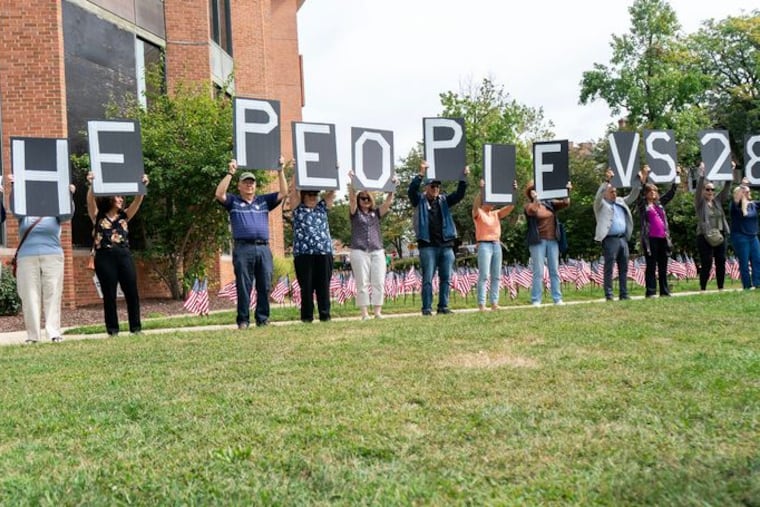
This isn’t just a national story. This rhetoric insults the 33,816 veterans in the Philadelphia region who receive these earned benefits.
If the committee truly wants to find waste, it should focus on real problems, which were detailed by the VA’s own watchdogs at the same hearing.
VA Inspector General Cheryl L. Mason focused her testimony on the real issue: predatory “claim sharks” and systemic management challenges, as outlined in an inspector general’s report on the Philadelphia office. The VA’s own data show its problems are internal, not with the veterans it serves.
Dangerous distraction
In other words, the “veteran fraud” narrative is a dangerous distraction from the real problem: a broken VA disability system. The Government Accountability Office (GAO) agreed, confirming that the system has been on its “High Risk List” since 2003 due to “longstanding challenges” concerning oversight and training.
This is where reform is needed. Don’t misplace blame on veterans for the VA’s own systemic failures.
While Sens. Dave McCormick and John Fetterman do not sit on the Veterans’ Affairs Committee, the financial stability of over 33,000 of their constituents, and nearly a billion dollars in our local economy, is on the line.
I urge them to publicly oppose this dangerous commission and demand Congress focus on the real problems: cracking down on the claim sharks who prey on veterans, and fixing the VA management failures the watchdogs have identified for decades.
Alyster Alcudia is a U.S. Navy veteran, a former nuclear submarine warfare officer, and a medical student in Philadelphia.