From the NICU to the TEDx stage
When I look at my son, I still see that tiny baby under those blue lights — the one doctors could not promise would survive.
When I looked at my son’s birth certificate years after the fact, the line that always stops me reads: Place of Birth: Ambulance Squad, Route 38 and Hartford Road.
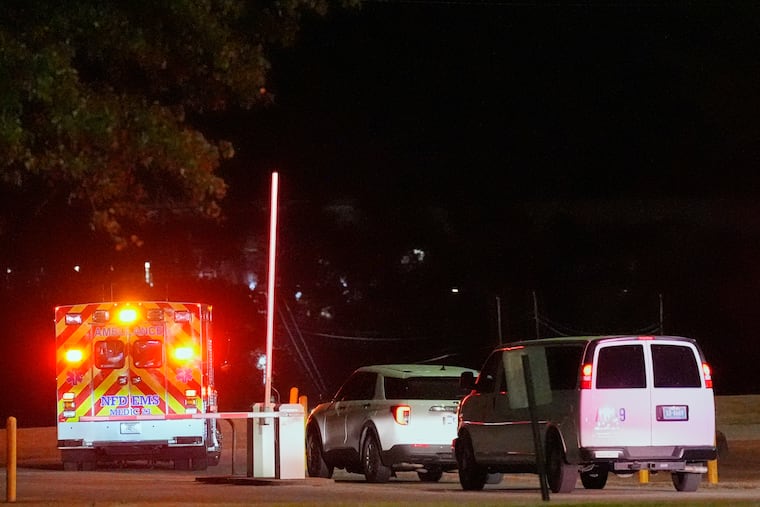
Three days before that, at five and a half months pregnant, I had started feeling strange stop-and-start pains. Before I could fully understand what was happening, I found myself in the back of an ambulance racing toward the hospital.
My son arrived before we ever made it there. He weighed 1 pound, 10 ounces.
I was wearing a white bathrobe when my water broke. In the shock of the moment, I delivered him right there and instinctively wrapped him inside my robe to keep him warm. He looked so precious to me that I didn’t realize how tiny he actually was.
When we arrived at Virtua Mount Holly, I was rushed through the emergency room, still holding him against my chest. People were clapping and congratulating me, seeing a mother cradling her newborn. It wasn’t until I reached labor and delivery that the reality became clear.
My son was so small that doctors quickly placed him in an incubator and transported him by ambulance to Virtua Voorhees, where the neonatal intensive care unit could care for him.
In a matter of moments, joy turned into fear.
I remember signing medical disclaimers explaining the serious complications he could face, and reminding me that doctors could not promise he would survive.
I wanted to ride in the ambulance with my baby, but I couldn’t. I had just given birth and was admitted for the next 48 hours.
No parent can truly prepare for what comes next.
The first time I walked into the NICU and saw my baby, I broke down in tears.
He was inside an incubator, the blue glow of jaundice lights reflecting off his tiny body. Tubes, wires, and monitors surrounded him.
But the fear went even deeper for me.
I had recently lost my hearing. As a newly deaf mother, I wondered how I would communicate with doctors about my fragile newborn. The team at Virtua created a system in which doctors spoke into a microphone, and their words appeared on a computer screen so I could read them.
» READ MORE: Behind the holiday lights: My Christmases in the grip of addiction | Opinion
Days in the NICU blurred into nights. My eyes became my ears.
Eventually, I realized that while fear was natural, my baby also needed something else from me — strength.
So I made a promise to myself: When I was inside the NICU with my son, I would bring him calm, hope, and love.
But when the emotions became too heavy, I found my own place to release them.
The elevator. If I felt overwhelmed, I would step onto the elevator, ride to the highest floor, cry on the way up, and ride back down again. By the time the doors opened, I had gathered myself.
Inside the room, I chose to give my son the best energy I could.
Over time, we both grew stronger.
After months in the NICU, my son was transferred to Children’s Hospital of Philadelphia, where he underwent surgeries that would prepare him for life outside the hospital.
Then one day, doctors walked into my room with words I could hardly believe: My son might finally go home.
Before that could happen, I had to learn how to care for him myself. I took classes in infant CPR, first aid, and how to manage his feeding tube — all while completely deaf.
After six months in two NICUs, I finally carried my son through the door of our home.
» READ MORE: My opioid addiction-related weight loss drew praise. Regaining during recovery? Not so much. | Opinion
Life after the hospital meant constant doctor’s appointments. My mother stayed close by my side. She became my ears. Every time my son babbled or cried, she recorded it on cassette tapes in case one day I might be able to hear those sounds myself.
When my son was 2 years old, after I had cochlear implant surgery, I heard his voice for the first time. Years later, my mother handed me those tapes she had saved. Listening to those tiny babbles and first words, I cried like a baby. Those were sounds I might never have heard.
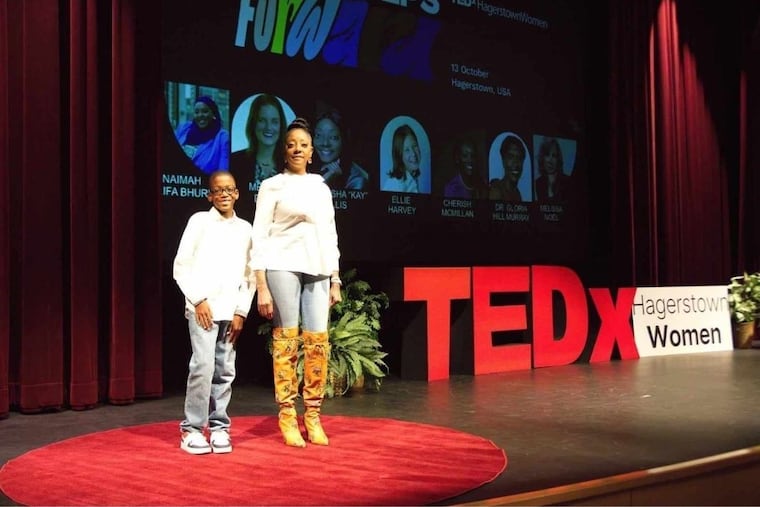
In 2023, my son and I took a road trip to Hagerstown, Md., for my TEDx talk, “Addiction: The Enemy of Hope.” As I stood on stage, he sat in the front row, recording my talk.
During the audition, I paused and told the judges: “This young man weighed 1 pound, 10 ounces. Today he’s recording this moment.”
The room fell silent, as if everyone understood at once how far he had come.
On Oct. 13, 2023, I stood on the TEDx stage telling our story. Behind me was a photograph of my son under those same blue NICU lights.
At the end of my talk, he walked onto the stage and stood beside me.
From the NICU to the TEDx stage.
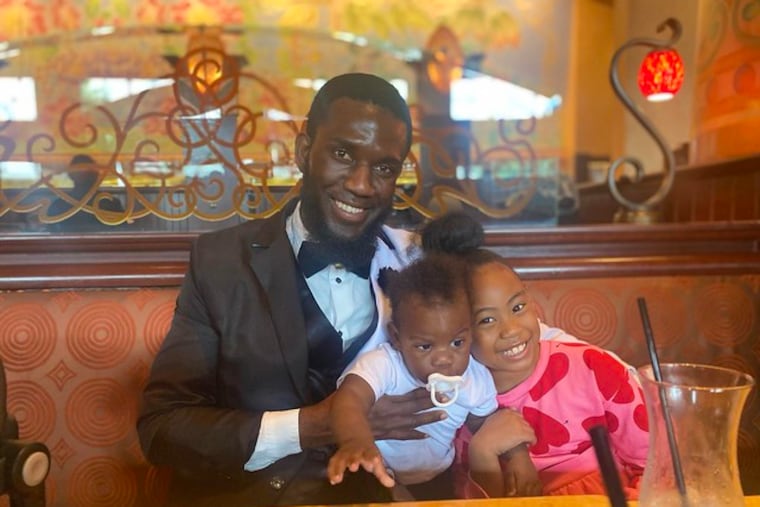
Today, my son is about to turn 14. He is almost as tall as I am and lives like most teenagers his age. He loves pizza, Madden football, old-school music from the 1970s, ’80s, and ’90s. He loves cheering for the Philadelphia Eagles.
He’s humble, thoughtful, and doesn’t ask for much.
When I look at him, I still see that tiny baby under those blue lights — the one doctors could not promise would survive.
Fourteen years ago, no one could promise me tomorrow.
Today I am watching that tomorrow walk beside me.
Chekesha Lakenya Ellis is a certified peer recovery specialist. The Burlington County resident uses Facebook to raise awareness about addiction and recovery.

Inquirer Opinion Newsletter