Whether at the Fed or the DOJ, Senate must protect institutional independence from Trump’s political pressure | Editorial
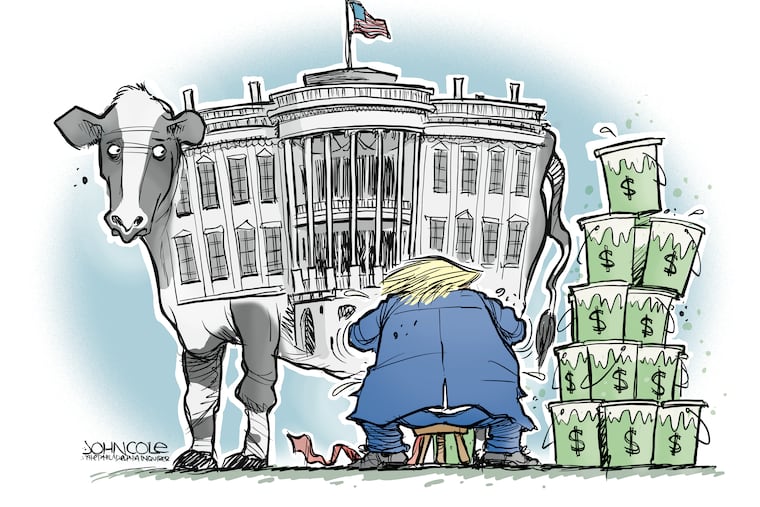
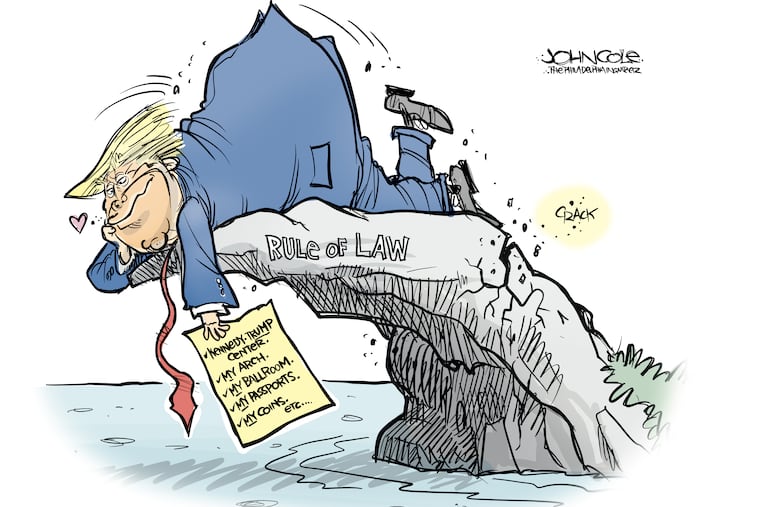
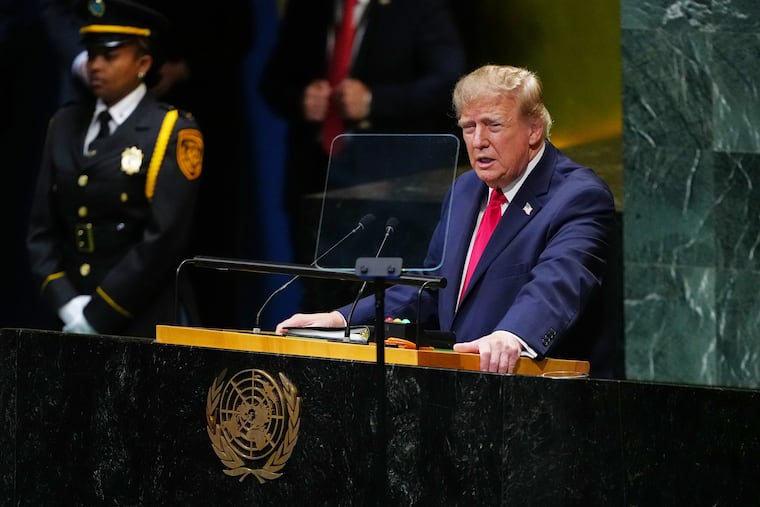
President Donald Trump has shown he will abuse his power to influence U.S. monetary policy or go after political enemies. Congress must assert its own power to rein in the administration.
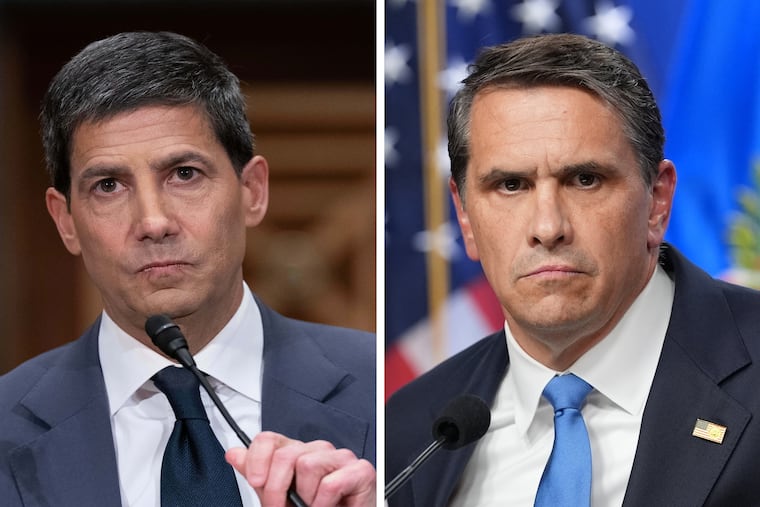
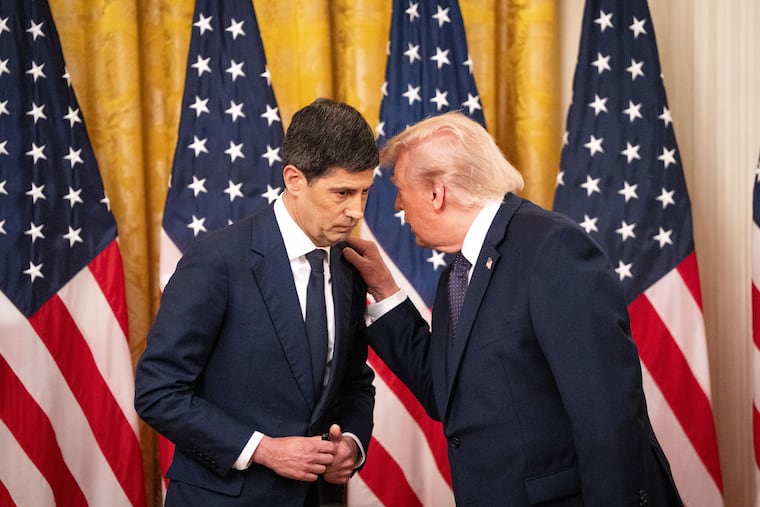
Kevin Warsh will likely be confirmed by the Senate next week as the head of the Federal Reserve after the Senate Banking Committee approved his nomination on Wednesday. Warsh, a Trump loyalist, threatens the central bank’s independence, but the story of his ascension illustrates both frightening presidential abuse of power and the importance of standing against it.
Donald Trump has made no secret that he believes the Fed, which includes setting monetary policy among its responsibilities, should lower interest rates. The president rightly believes that a lower borrowing cost would give the economy — and his political standing — a boost. But he neglects the long-term side effects of a quick high.
Lower interest rates may spark growth by stimulating spending and investment, but they can also increase inflation as demand climbs. More importantly, trust in the U.S. financial system depends on an independent Fed able to make decisions free from political interference.
Trump is far from the first president to disagree with the way the Fed is handling interest rates. However, his pressure campaign against the central bank’s board and its current chairman, Jerome Powell, has grown into using the power of the federal government to bully and coerce.
After Trump’s unsuccessful attempt last year to fire Lisa Cook, a member of the Fed governing board, over flimsy accusations that she lied on a mortgage application, the U.S. Department of Justice opened an investigation into Powell over charges that he lied to Congress regarding the renovation of the Federal Reserve’s headquarters in Washington.
In a video statement in January, Powell, whose term as chair ends May 15, bluntly expressed why he believed he was targeted.
“This is about whether the Fed will be able to continue to set interest rates based on evidence and economic conditions, or whether instead monetary policy will be directed by political pressure or intimidation,” he said.
Fortunately, in this case, political pressure cut both ways, as North Carolina Republican Thom Tillis, who sits on the Senate Banking Committee, made clear he would not support Trump’s nominee for Fed chair if there was an open investigation against Powell.
The gambit worked, and the DOJ probe was dropped on April 24.
» READ MORE: After a third attempt on his life, Trump could work to make America safer again | Editorial
In a bid to save face, U.S. Attorney Jeanine Pirro said she would “not hesitate to restart a criminal investigation,” which prompted Powell to say that while he may be stepping down as chair, he will not follow in the tradition of leaving the board entirely. Instead, he will remain until the inquiry is “well and truly over with transparency and finality.” His term expires in 2028.
While Tillis is not seeking reelection and can risk Trump’s wrath, his actions should remind his congressional colleagues that when the president abuses his power, they have power themselves to push back.
Nowhere will this be more crucial than in the Senate confirmation of the next attorney general.
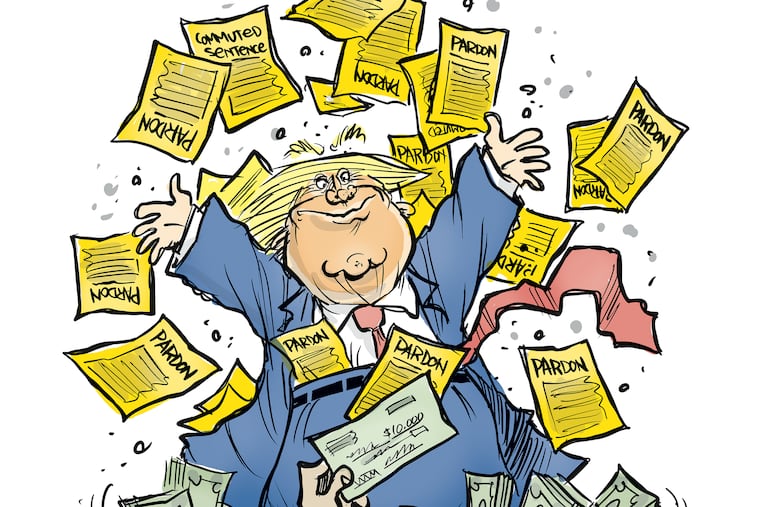
While Trump has so far failed to politicize the Federal Reserve, he has had no similar difficulty with the Justice Department. Under former Attorney General Pam Bondi, prosecutors pursued politically motivated cases against former FBI Director James Comey, U.S. Sen. Adam Schiff, former CIA Director John Brennan, and New York Attorney General Letitia James, among others.
Still, this wasn’t enough for Trump, who reportedly fired Bondi, in part, because she wasn’t pursuing his political enemies aggressively enough. Never mind that it was the courts that offered an embarrassing dismissal of the prosecutions against Comey and James.
» READ MORE: Trump chose to go to war with Iran. Now he has no idea what to do. | Editorial
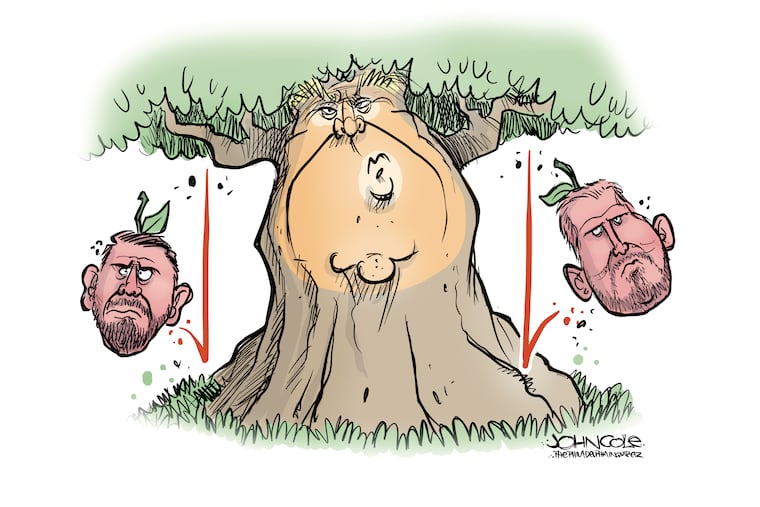
While the president has yet to nominate a replacement, acting Attorney General Todd Blanche seems intent on not repeating Bondi’s mistake. In less than a month on the job, Blanche’s DOJ has brought cases against David Morens, a former senior adviser to Trump foil Anthony Fauci, over violating public records law, the Southern Poverty Law Center on charges related to the group paying informants to infiltrate hate groups, and Comey (again) — this time for the risible charge of threatening the life of the president in a social media post.
Tillis, who also sits on the Senate Judiciary Committee, has indicated he has serious doubts about Blanche. That is heartening, but he should not be the only Republican willing to rein in an out-of-control administration.
Whether it is Blanche or some other Trump sycophant, senators must defend the independence of the Department of Justice, and remind the White House that the attorney general represents the people of the United States, not the president.