Why a speed bump in N.J. pot legalization may not be a bad thing | Editorial
Supporters of legalizing recreational marijuana have suffered a setback in Trenton. A pause might benefit their cause by offering more opportunity for robust public debate.
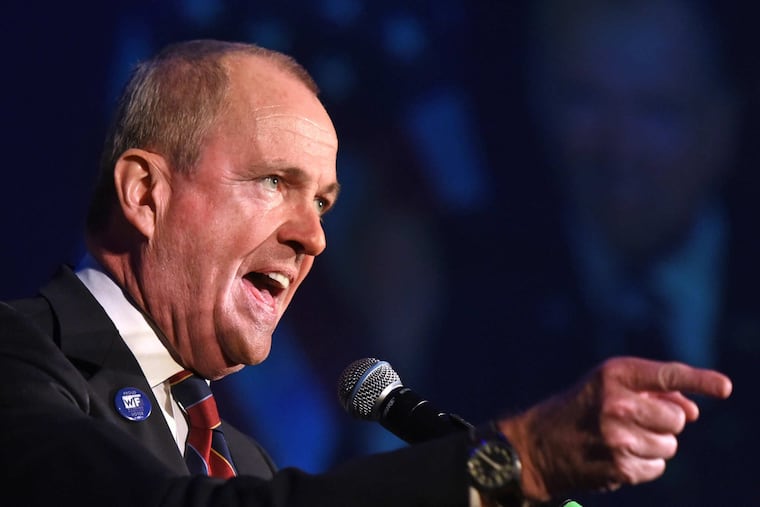
New Jersey seemed to be speeding toward legalization of recreational marijuana until Trenton abruptly pulled off the road Monday. The likelihood of a razor-thin defeat led Senate President Steve Sweeney to cancel the vote.
“We are not defeated,” Gov. Phil Murphy, who promised to make legal weed a reality within 100 days of his inauguration last year, told reporters Monday. Cherry Hill’s Jay Lassiter, an indefatigable advocate for medical, as well as recreational, weed, called Monday “a blip.”
Legalization has indeed acquired a magical cloak of inevitability, if not invincibility. So this setback, temporary though it may be, is good news.
It offers those with reservations as well as those bedazzled by visions of home delivery and toking lounges a chance to see through the hype and ask questions. The potential health impact and addictive potential of regular weed-smoking, particularly among younger people, come to mind, as do the optics of a headlong rush to normalize the use of an intoxicant during a raging opioid epidemic.
With some justification, advocates regard legalization as a logical and arguably, inevitable response to the profound evolution in the culture and in the electorate regarding marijuana. That was evidenced by a Feb. 18 Monmouth University poll that found more than 6 in 10 Garden State residents favoring legalizing small amounts of marijuana for personal use. The poll also found an even higher percentage of New Jerseyans back expungement of prior convictions for certain marijuana-related criminal offenses, a genuine social justice benefit that’s helped legalization gain traction nationwide.
The momentum around legalization for recreational use isn’t new. Debate about cannabis and its legal status has been going on since the early 20th century. The latest push has followed wider acceptance of medical marijuana. Medical use has removed much of the stigma from using and talking about it. But that talk should include robust debate on both sides of the issue. For example, legalization would instantly create a sprawling industry with economic and social implications. Commercial cultivation might have significant environmental impact. And many would agree that research into the potential risks of regularly ingesting marijuana is far from definitive.
Since 2012, eight states have followed pioneers Colorado and Washington in approving recreational weed. In Pennsylvania, former skeptic Gov. Tom Wolf has evolved quickly, and Lt. Gov. John Fetterman has been conducting a “listening tour” of all 67 of the Commonwealth’s counties, to hear what ordinary people are saying about legalization.
In New Jersey, a bipartisan proposal to put the question of legalization on the November ballot could well get a boost in the wake of Monday’s Statehouse events. The bill is being cosponsored by legalization foe Sen. Ron Rice, an Essex County Democrat, and Bergen County Republican Holly Schepisi, who’s also opposed.
Regardless of whether the question ends up on the ballot and is approved by voters, lawmakers should make sure they have answers to the vital questions that legalization raises. It’s not enough to ride on the jet stream of other states’ efforts; it’s early enough in the process that New Jersey or Pennsylvania could handle legalization in a way other states could follow.