Philadelphia’s streets are still treacherous for pedestrians, but signs point to progress | Editorial
City officials, including Mayor Cherelle L. Parker, deserve credit for using speed humps, red-light cameras, and other available tools to reduce fatalities.
For nearly a decade, city transportation and public safety officials have taken part in Vision Zero, an ambitious, nationwide program designed to help communities reduce the number of lives lost to traffic collisions.
In recent years, City Hall has narrowed lanes, installed red-light cameras, and built speed humps in roadways in an effort to slow traffic and keep pedestrians safe.
Even with those changes, Philadelphians are twice as likely to be killed by a vehicle as San Franciscans, and nearly three times more likely to be killed than New Yorkers. Even Los Angeles, where street designs are famously incompatible with walking, is slightly safer for pedestrians. Still, there is evidence that the city’s efforts are starting to have a positive effect.
According to an analysis by the Bicycle Coalition of Greater Philadelphia, the city has suffered 94 fatalities this year. That’s a 39% decrease from the 155 Philadelphians who lost their lives in 2020.
Like so many other quality-of-life concerns, street safety was negatively impacted by the COVID-19 pandemic. Fatalities nearly doubled between 2019 and 2020, as a mix of increased instances of aggressive driving and decreased police enforcement took a toll. A trend among car manufacturers to make vehicles bigger and heavier than earlier models also served to amplify the danger for pedestrians.
According to the Insurance Institute for Highway Safety, those national shifts have contributed to a roughly 80% increase in pedestrian deaths since 2009.
City officials, including Mayor Cherelle L. Parker, deserve credit for swimming against this national tide. While there is little City Hall can do to regulate vehicle size, officials have used the tools that are available to reduce fatalities.
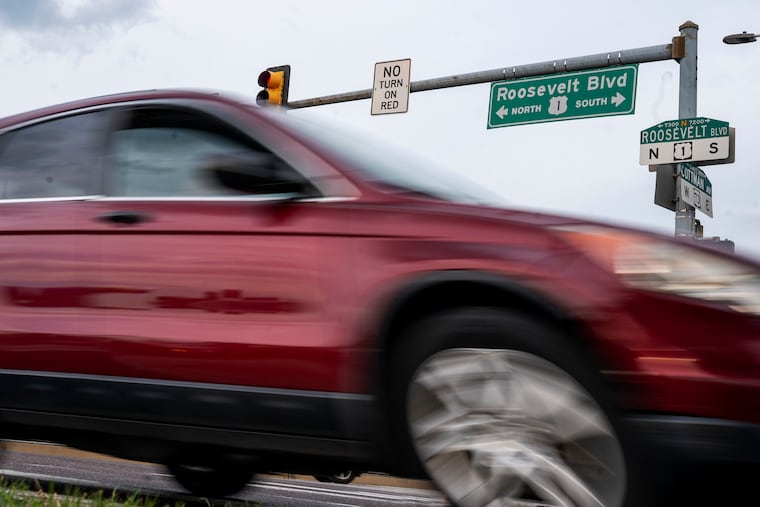
The city’s biggest success story is Roosevelt Boulevard. Once dubbed one of the most dangerous roads in America, the Boulevard is no longer even the most dangerous corridor in Philadelphia (Broad Street now holds that dubious distinction). The change is largely a result of the installation of speed cameras, which officials credit with saving around 50 lives since they were installed in 2020. The cameras have now been installed for Broad Street, as well.
Additionally, the Parker administration has placed a welcome focus on safety around schools and playgrounds. Given that an average of about five Philadelphia children are struck by a vehicle every week, those efforts should be accelerated. After some initial consternation, City Council approved speed cameras for seven school zones this year. If those programs show success, they should be expanded.
So, too, should support from the police. In an interview with Philadelphia Magazine, Police Commissioner Kevin J. Bethel responded to a plea for more traffic enforcement with a reference to ongoing staffing issues, saying that his officers must prioritize the most serious calls. With 100 Philadelphians dying in collisions each year, citations and arrests for traffic violations should remain a point of emphasis.
The plan to reduce traffic fatalities also requires some assistance from Harrisburg. City officials would like to set their own speed limits, arguing that state rules that are designed for rural and suburban communities don’t work in dense, urban areas with heavy pedestrian traffic.
There is still much to be done when it comes to keeping pedestrians in the city safe, but Philadelphians can take comfort in knowing that the tools currently in place are doing what they’re intended to do — save lives.