If ‘skill games’ cannot be banned, Harrisburg must act to regulate and tax | Editorial
Gambling has become a crutch for lawmakers to avoid tough decisions about spending and revenue.
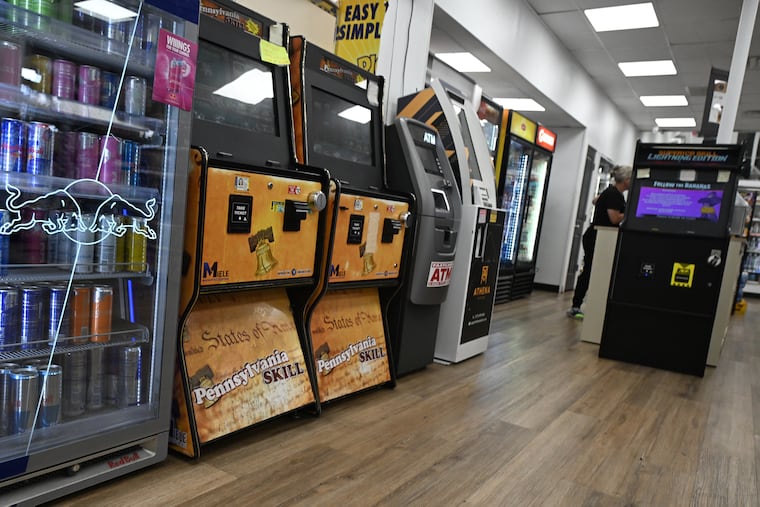
Despite years of bipartisan insistence that action is just around the corner, state leaders have yet to agree on a plan to regulate and tax so-called games of skill. While Harrisburg dithers, the machines have proliferated across the commonwealth, with dire consequences for many communities.
Make no mistake, ideally, these machines should be banned. However, courts have so far ruled that these devices — the use of which, proponents argue, involves a modicum of skill — do not run afoul of gambling laws. In reality, though, there seems to be little separating them from slot machines, which are regulated.
While no one knows the exact number of skill games in Pennsylvania, their impact is clearer.
Philadelphia City Council members have described them as a nuisance, attracting crime, and creating what are essentially unlicensed slot machine parlors. The all-cash machines also lend themselves to low-effort money laundering. Meanwhile, supporters claim the money from skill games helps small businesses, VFW halls, and other community anchors to pay their bills.
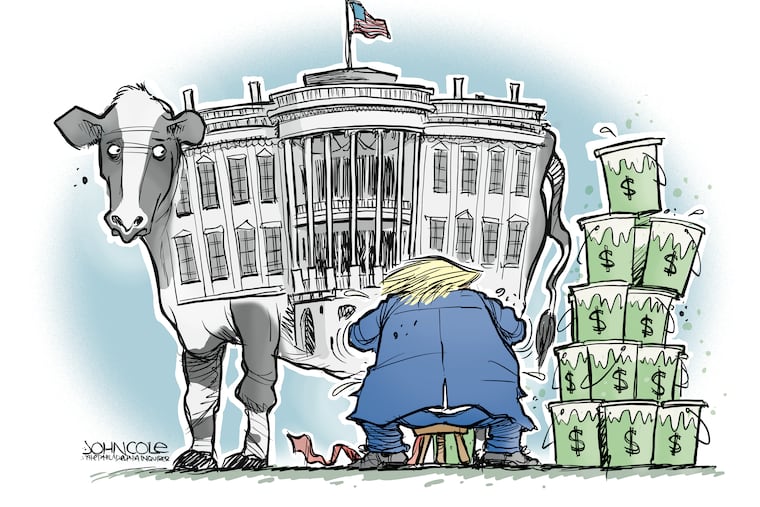
For Harrisburg, gambling in general has become a crutch to avoid tough decisions about spending and revenue. Taxing skills games is expected to bring in hundreds of millions of dollars to state coffers. That’s on top of the $2.7 billion the commonwealth already earns from existing forms of gambling, like slot machines, interactive virtual casinos, and online sports betting.
» READ MORE: Trump dismisses affordability concerns as he rakes in billions. Most Americans aren’t that lucky. | Editorial
Gambling is a predatory, extractive, and addictive industry. Ignoring its negative effects while depending on gambling revenue to avoid broader tax increases is a counterproductive strategy for the Keystone State. Research shows that an incredibly high share of gambling revenue comes from a very small percentage of overall gamblers. People trapped in gambling addiction experience bankruptcy, divorce, and suicide at higher rates.
Yet, a small army of lobbyists, a surge in advertising, sympathetic social media influencers, and a hefty presence by gambling interests on campaign finance reports have made legislators fearful of taking action, even on skill games.
A recent pressure campaign sponsored by the industry led state Senate President Pro Tempore Kim Ward to declare that her caucus doesn’t “do well being bullied,” and that gaming interests “have done nothing but try to bully us. And I don’t think we stand for that.” But for years, that’s exactly what’s happened.
Beyond the million-plus dollars a year advocates have spent on political donations, some legislators report that the gaming industry is also using its cash to build influence in more subtle ways. Sports betting companies FanDuel and DraftKings have taken over from Bud Light as the sponsor of free service on SEPTA’s sports express. Skill games operators and others in the gambling industry are using the prospect of charitable donations to build political influence.
» READ MORE: Killing of suspected traffickers at sea was already abhorrent. Hegseth may have made it a war crime. | Editorial
There is still some hope regarding skill games, at least. The Pennsylvania Supreme Court is currently hearing a case that could reinstate the previous ban on the devices. This would be a win for communities across the commonwealth.
If the machines are deemed legal, the state must at the very least ensure they are sufficiently regulated and taxed. Some of the legislation surrounding the games proposes that the Department of Revenue handle regulation. This would be a mistake. Given their similarity to existing gambling, the devices should be regulated by the Pennsylvania Gaming Control Board.
For her part, Mayor Cherelle L. Parker has softened her strong opposition to skill games, in part because Republican leaders in the General Assembly have promised the money could help support public transit, including SEPTA. The transit agency needs an additional, sustainable funding source. Still, politicians should remember there are other ways to raise revenue besides new forms of gambling.
Until the court or Harrisburg acts, skill games will remain in an unregulated, untaxed status quo. That may work for machine operators, but it doesn’t work for Pennsylvania.