Tom Kean Jr. did the right thing by stepping away to be treated for depression. Now he owes voters some answers. | Editorial
After nearly four months away and weeks of cryptic deflection, the North Jersey Republican has returned to Congress — but his constituents deserve a fuller accounting.

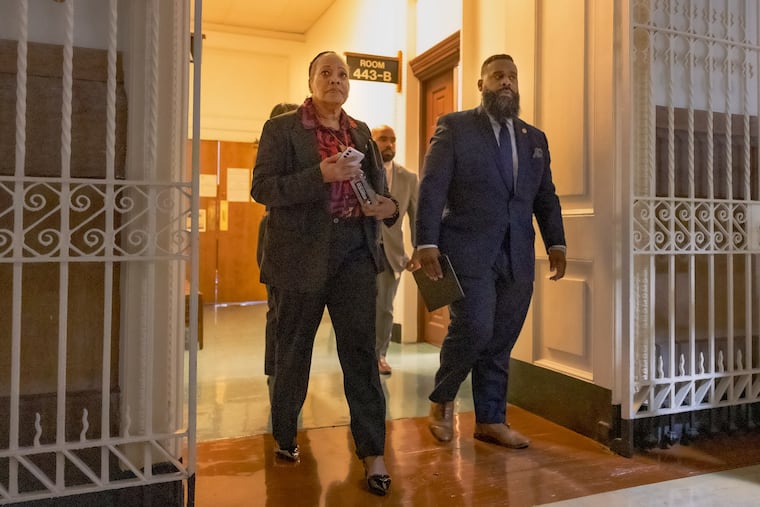
One of the most perplexing sagas in recent political history has ended: U.S. Rep. Tom Kean Jr. has returned to work after being away for almost four months without notice or clear explanation.
In a June 30 speech on the House floor, the North Jersey Republican revealed he had been in treatment for depression.
“When people hear the word depression, many think it simply means feeling sad,” Kean said. “But depression is so much more than that. It is physical. It is emotional. Until you experience it yourself, it is difficult to fully understand how powerful this illness can be.”
There is no denying that depression is a serious mental health issue, one that retains a public stigma even as almost 48 million Americans struggle with the disorder. Kean, a self-described “private person by nature,” deserves praise for revealing his diagnosis.
But private or not, Keane is a public servant who owes voters a fuller explanation. So far, he has declined to answer any further questions.
At the very least, the congressman’s return put an end to weeks of rampant speculation as to his whereabouts. None of which was helped by a lack of transparency by Kean’s team, which, after stating in April that he was dealing with a “personal health matter,” deflected all questions — sometimes to bizarrely cryptic effect. At one point, a staffer told reporters that “there are no cameras where Tom is.”
There may have been no cameras, but during his time away, Kean managed to maintain his reelection campaign and appears to have traded stock. He was also getting paid.
Unlike most Americans, elected officials are not required to show up to get a paycheck. The Constitution does not detail expectations for attendance or penalties for absenteeism. This means that deciding how much time off is appropriate, and why, is left mainly up to the voters.
Perhaps Kean’s constituents in the 7th Congressional District are satisfied with the explanation for his long absence. While his inability to vote may have hampered his fellow Republicans’ ability to pass legislation, the constituent service functions performed by his office seem to have gone unaffected.
Kean, a self-described “private person by nature,” deserves praise for revealing his diagnosis.
Still, Kean has yet to make a full public accounting for what happened, which should include answering direct questions. Given his public responsibilities — and that he is up for reelection in November — constituents have a right to understand what happened and what they can expect going forward.
A few questions Kean should be prepared to address include:
What symptoms led him to head to the hospital in the first place?
Roughly 25% of Americans with mental illness are not currently receiving care due to costs. Was his treatment covered by his congressional health insurance policy?
What guardrails have he and his staff established to ensure he seeks help more quickly in the future?
Given the widespread curiosity and speculation around this incident, are there things he would do differently when viewed in hindsight?
His diagnosis seems to have changed him. What changes can his constituents now expect to see? In the past, Kean was notorious for dodging interactions with constituents, holding town halls only very infrequently, for example. Will this change?
He has voted against federal policies that would expand healthcare coverage. Has his experience changed his perspective?
Will he hold a town hall?
This board sent these queries to the congressman earlier this week. As of Wednesday afternoon, he has yet to answer.