The dismantling of the Young Bag Chasers is a big win for law enforcement, but risks to public safety remain | Editorial
Prosecutors spent two years building a case against the West Philadelphia street gang. Nineteen people have been charged in connection with 22 shootings and 5 killings linked to the group.
During the surge in gun violence that accompanied the pandemic — as warring street gangs drove a catastrophic increase in shootings — one group stood out. The West Philadelphia crew known as the Young Bag Chasers became notorious for not only the blood they spilled, but for the callous and nihilistic way that the police said they boasted in music and social media posts about their brutality.
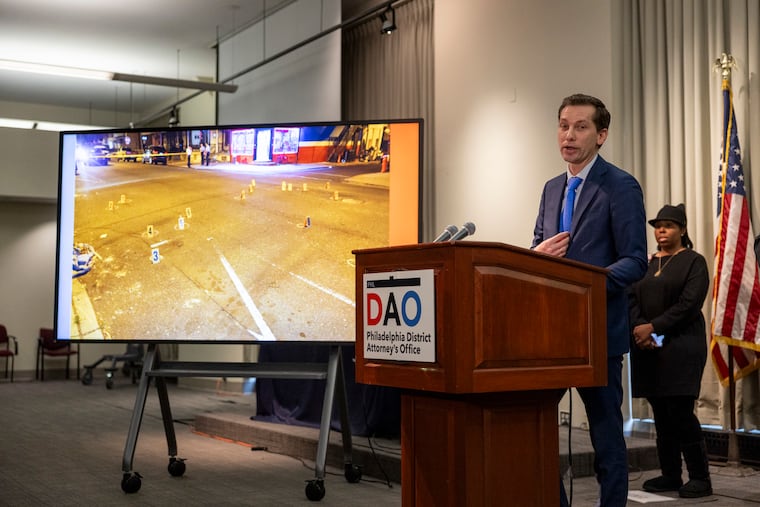
Last month, 19 people who prosecutors said were tied to the gang — or had disputes with it, were charged in connection with 22 shootings and five homicides over the course of two turbulent years beginning in 2022.
High-tech investigatory work by law enforcement officials is responsible for much of the evidence that buttresses the case, which prosecutors say was methodically built over two years. Intrepid reporting by The Inquirer’s Ellie Rushing is how many Philadelphians became aware of the story.
And after engaging in what the police said was a campaign of homicide, ambushes, and street corner shootings — often in broad daylight — even members of the group apparently began to sense that the end was near.
“I can smell indictments, I can see it comin’,” one man, who investigators said was affiliated with the group, rapped in a song released last fall.
According to prosecutors, the group of friends who became the core of the gang were at first just another collection of Philly kids who liked to hang out together. Over time, however, investigators said, they graduated from stealing bikes and smoking marijuana to selling drugs and killing anyone associated with their rivals.
» READ MORE: The rise and fall of the Young Bag Chasers
According to Rushing’s interviews with gang members, things changed when one of their own, Joshua Munson, was gunned down. Members of the crew describe Munson as being management, not muscle. Shortly after his death, other West Philly gangs began ridiculing Munson in drill rap lyrics. A Meek Mill-brokered truce did not last.
Then came the pandemic. The group exploited generous emergency federal assistance programs for their own ends, becoming incredibly flush with cash, police said. This money was funneled into gun purchases, among other things. The gang also earned thousands of dollars each month in ad revenue from YouTube and Spotify for their rap videos and drill music, which frequently referenced shootings that investigators believe were committed by members of the group.
Their lyrics shocked law enforcement officials with their cruelty. But they racked up views online and apparently referenced crimes that were committed in real life.
In a particularly vicious instance, police said that members of the gang killed Zyir Stafford, a 22-year-old father who worked at McDonald’s — and who had no direct involvement in the gang’s feuds. Over 7 million people have watched the music video that mocks Stafford’s death. Less than a year later, the rapper in that video was fatally shot.
All told, nearly a dozen suspected members of the gang have been killed, and several others are behind bars or charged with serious crimes.
Today, life in Philadelphia has changed since the group’s pandemic-era heyday. In each year from 2021 to 2023, roughly 100 Philadelphians had been killed at this point in the year. As of Tuesday, the number stands at 20.
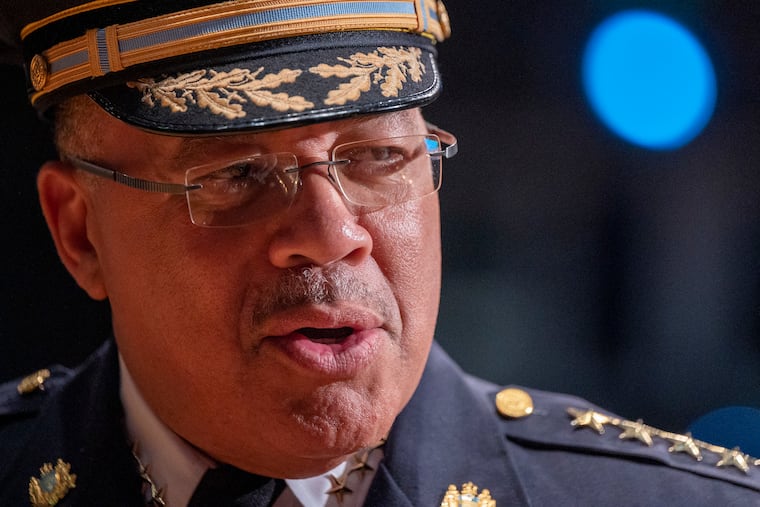
With homicides overall on the decline, it seems that the work of Police Commissioner Kevin J. Bethel and Public Safety Director Adam Geer is bearing fruit. It is also possible that the death and incarceration of so many members of the city’s violent gangs has had an impact.
But 20 murders is still 20 too many. And while dismantling one of the city’s most ruthless gangs is a boon to our sense of civic well-being, a considerable number of Philadelphians, especially many of our young people, are still at risk.