Lincoln shouldn’t have canceled a visit by Ghana’s president over his LGBTQ+ views
John Mahama supports a measure in his country that would criminalize LGBTQ+ people. Disinviting him was a missed opportunity to have a dialogue about equality, fairness, and homophobia.
Several years ago, I taught a summer course for American students in Ghana. During a visit to a local high school, its headmistress told us that Ghanaian students were “losing their culture” and “becoming too Western.”
We asked for an example. “Homosexuality,” she said. “To us, it is an abomination. It comes from elsewhere.”
My students were taken aback, but they didn’t lash out. Instead, they asked her to explain her views. We had a conversation.
That’s not going to happen at Lincoln University in Chester County, which had planned to award an honorary degree last week to Ghanaian President John Mahama. Lincoln is a celebrated institution in Ghana because independence leader Kwame Nkrumah studied there. But last week, the university withdrew Mahama’s degree and canceled his visit.
The reason? Mahama supports a bill in Ghana to criminalize LGBTQ+ people.
Under that measure, people could be jailed for up to five years for “intimacy violations” — that is, for any sexual activity that isn’t between straight cisgender people. And anyone advocating for LGBTQ+ rights could face 10 years — yes, you read that right — in prison.
I detest the bill, and I can easily understand why Lincoln would refrain from honoring a politician who backed it. But I can’t understand why it would cancel his visit, which could have provided a learning opportunity.
That’s the purpose of universities: to promote learning. And if we can’t talk, we can’t learn. Period.
But conversation is hard to come by in American higher education right now. Students and faculty are walking on eggshells and biting their tongues, fearful that they’ll say the wrong thing.
And we’re only too eager to censor speech that we despise. Before Mahama’s scheduled talk at Temple last week, LGBTQ+ activists denounced the university for hosting him.
“Providing a platform to a leader advancing policies that endanger LGBTQ lives and undermine HIV prevention is deeply irresponsible,” ACT UP representative Sam Sitrin declared. “Institutions of higher education should not normalize or legitimize harm under the guise of dialogue.”
The purpose of universities is to promote learning. And if we can’t talk, we can’t learn. Period.
But letting someone speak doesn’t signal approval of their views, as a Temple official emphasized. Instead, it reflects support for the concept of free speech itself.
That concept is under sharp attack from the Trump administration and Republican-led state legislatures, which have restricted what university professors and K-12 teachers can say about gender-related issues. And you can’t fight censorship with one hand if you’re engaging in it with the other.
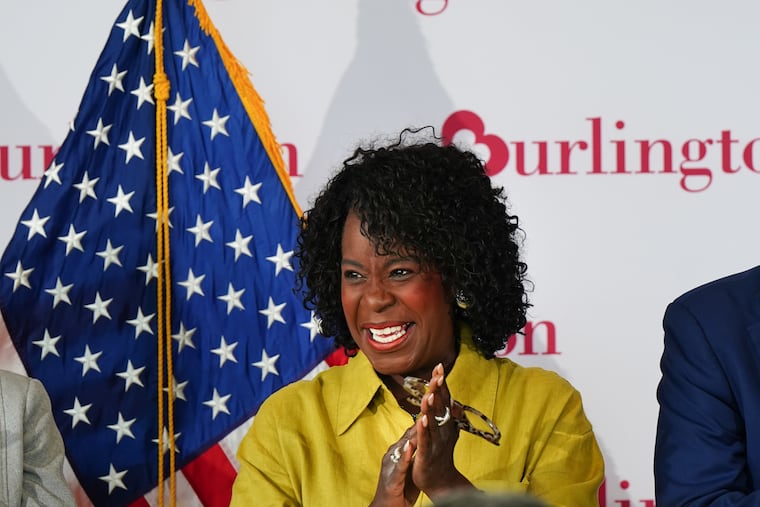
Alas, that’s a lesson we’re all slow to learn. In a post condemning Mahama’s appearance at Temple, City Councilmember Rue Landau said she was “deeply disappointed” to see him “platformed and welcomed here while he has promoted and defended policies that criminalize queer people.”
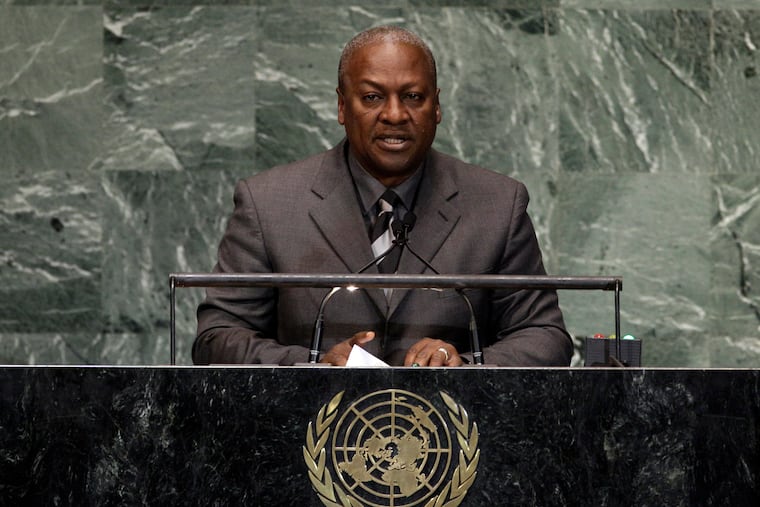
Mahama had spoken at the United Nations earlier in the week to demand reparations for the descendants of Africans who were enslaved. He also condemned the Trump administration for its efforts to censor Black history, including the “truth of slavery, segregation, and racism.”
But none of that mattered to his critics. Mahama backs a horribly homophobic bill, they said, so he must be censored, as well.
Again, I share the critics’ outrage about Ghana’s anti-gay measure. But canceling its supporters won’t persuade them to think differently about it. Instead, it will simply make them dig in their heels.
Witness the reactions in the Ghanaian blogosphere to the news that Lincoln had disinvited Mahama. “Western cultures believe their cultural standards are superior to the rest of the world and that they have a right to impose their recent change of the mind on the world,” one critic posted. “Talk to Ghanaians about how legalizing homosexuals will increase family, community, and national well-being. If you have a good enough argument you might convince them.”
That’s what my students and I tried to do during the discussion with the headmistress in Ghana. We took issue with her premise that LGBTQ+ rights were “Western,” pointing out the long history of same-sex love in Africa. And we also noted that Nelson Mandela — Africa’s most famous fighter for Black freedom — also spoke out for LGBTQ+ rights in South Africa, which prohibited anti-gay discrimination in its constitution.
I can’t say that we convinced the headmistress, any more than she persuaded us. But we all learned something about each other. And that won’t happen if we can’t — or won’t — speak across our differences.
“Lincoln University should be ashamed of itself,” another Ghanaian posted last week. “How do you invite a country president to honor him … and you decide that you will withdraw the title because he is against homosexuality?”
Nobody has a right to an honorary degree, and surely Lincoln was within its rights to deny one to Mahama. But everyone should have the right to speak their minds, especially about an issue that divides us so sharply across cultures and nations. Shame on all of us if we lose sight of that.
Jonathan Zimmerman teaches history and education at the University of Pennsylvania. He is the author of “Whose America?: Culture Wars in the Public Schools.”