SEPTA cuts
In the discussions about funding SEPTA and other public transit systems, as well as constant claims in Harrisburg that there just isn’t enough money to fund public needs, one huge potential funding source has not been mentioned lately: The General Assembly could enact a severance tax on the value of all or some of the natural resources (natural gas, coal, and oil) extracted in the commonwealth. Every other state that has fossil fuel production charges the industry something for the value or volume of resources taken from underneath its state. All of them, red and blue, except for Pennsylvania.
Pennsylvania charges “impact fees” on producing fracking wells, but this is tied to wells, not to the amount of natural gas removed from them. In years when fewer new wells are drilled, even if total production is up, the money raised from impact fees goes down. As extraction gets more efficient, this inefficient fee is more unfair to the public. A study by the Pennsylvania Budget and Policy Center several years ago concluded that Pennsylvania would get billions more in revenue from a severance tax than it does from an “impact fee” alone.
Severance taxes on fossil fuel production have been brought up and rejected in Harrisburg in years past, but not during the current budget crisis. Critics of severance taxes argue that they would discourage natural gas drilling in Pennsylvania and lower revenues. At this point, Pennsylvania is the second-largest producer of natural gas and the second-largest net supplier of total energy to other states in the country after Texas. In 2023, Pennsylvania produced about 7.6 trillion cubic feet of natural gas. However it is calculated, a lot of money is being left at the wellhead, and the industry is not going to leave Pennsylvania. It’s time for Pennsylvania to stop giving away its energy resources and hundreds of millions of dollars every year, and start collecting revenue from it — and finally fully fund vital public needs across the state.
Just because a fossil fuel severance tax was rejected before does not mean it should not be on the table now, especially since it is revenue the state controls and can count on.
L.K. Hastings, Philadelphia
We need a hero
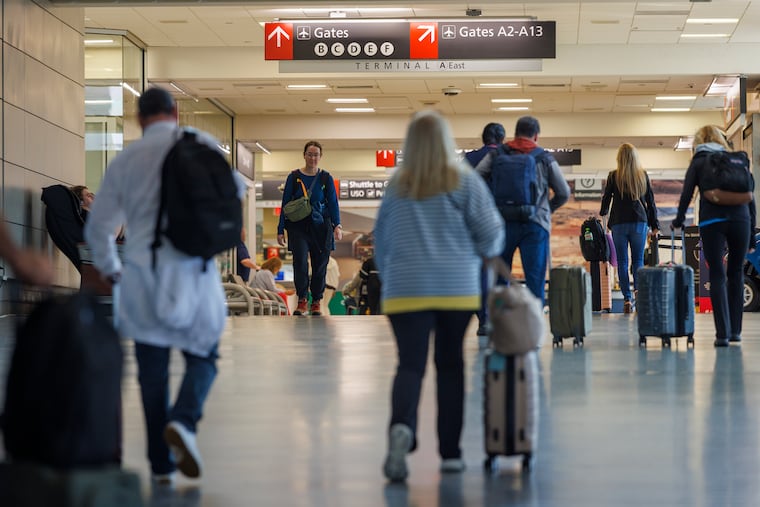
By now, everybody knows SEPTA has a $213 million budget deficit and has made major cuts to service and staff that started Sunday. What a tragedy. The impact of the SEPTA cuts will be significant and long-lasting. What are our elected officials doing? They certainly don’t seem to be working for the people. Public transit should be a win for American cities, and it is a necessary lifeline for Philadelphia. Thousands will be unable to get to work or school. Philadelphia and the region as a destination will suffer. Jobs will be lost. Lives will go astray. But I have an idea. Philadelphia sports are experiencing a golden era — and our owners are highly visible and active in the community. Oh, and one more thing: They are all billionaires and insanely rich. So, I encourage John Middleton, owner of the Phillies, Jeffrey Lurie, owner of the Super Bowl champion Eagles, and Josh Harris, owner of the 76ers, to lend SEPTA the money to get past this crisis. It’s a win for everybody involved — the people of Philadelphia, SEPTA, and, of course, the owners, as they could not make a more magnanimous gesture.
F. James “Jim” Sherry, Wayne
Join the conversation: Send letters to letters@inquirer.com. Limit length to 150 words and include home address and day and evening phone number. Letters run in The Inquirer six days a week on the editorial pages and online.