Letters to the Editor | Feb. 11, 2026
Inquirer readers on winter weather and the prospect of ICE agents at polling places this year.

Cold to be expected
At 73, I’ve lived through winters in nearly every corner of Pennsylvania — growing up in Erie, studying in State College, spending years in Western Pennsylvania, and now living in Philadelphia. Those regions routinely delivered winters far harsher than what we’re experiencing today: weeks of subzero wind chills, heavy lake‑effect snow, and ice storms that shut down entire towns. Yet, those events came and went with far less fanfare than the coverage we see now.
What concerns me is not the weather, but the framing. Routine cold snaps are now described as “extreme” or “historic,” often without any historical context. When every dip in temperature becomes a headline, the public loses perspective. Discomfort is being redefined, and it’s hard to see who benefits from that beyond media outlets competing for attention.
Weather deserves accurate reporting, but it also deserves proportion. A little historical grounding would help readers understand what is truly unusual — and what is simply winter behaving the way winter always has across Pennsylvania.
James Simon, Philadelphia
Precursor
Regarding the recent reports that the White House has not ruled out sending U.S. Immigration and Customs Enforcement agents to polling places this year: When a hurricane approaches the U.S. mainland, weather forecasters issue warnings and provide guidance for preparedness. Unfortunately, not everyone heeds these advisories, exposing themselves to irreparable harm and potentially fatal outcomes.
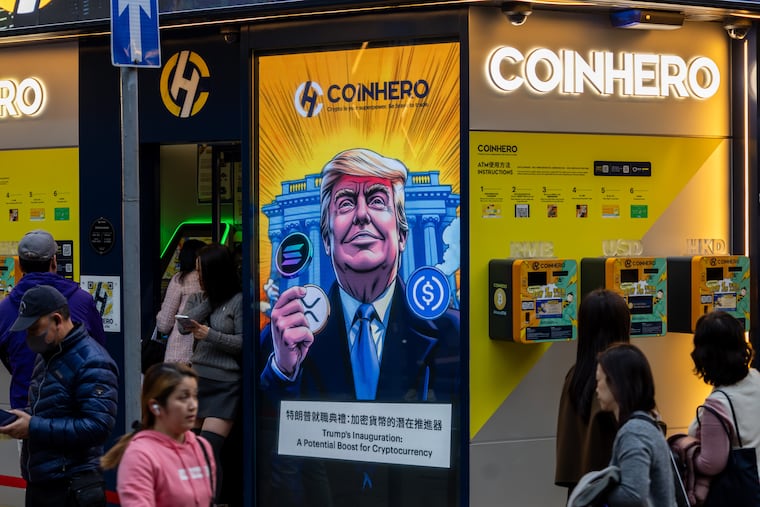
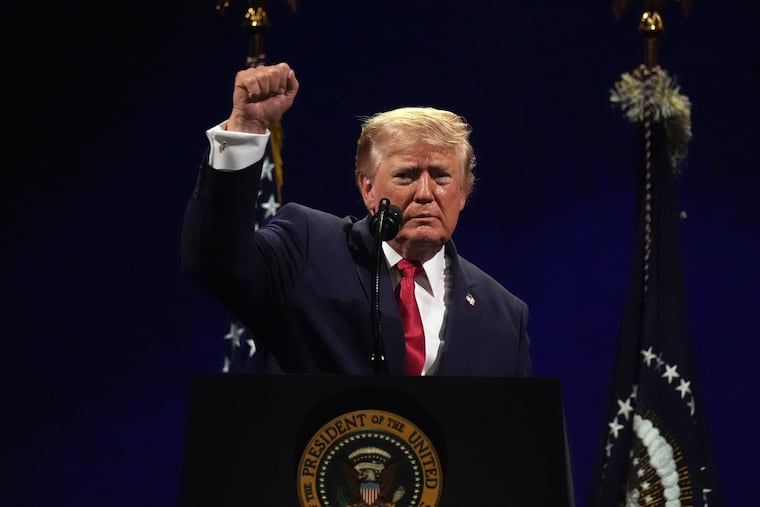
Today, a complacent majority of Americans is ignoring a different kind of storm on the horizon — the germinating threat by the Trump administration to interfere in the 2026 midterms. The warning signals for this brewing electoral disaster are as clear as any satellite image and must not be dismissed.
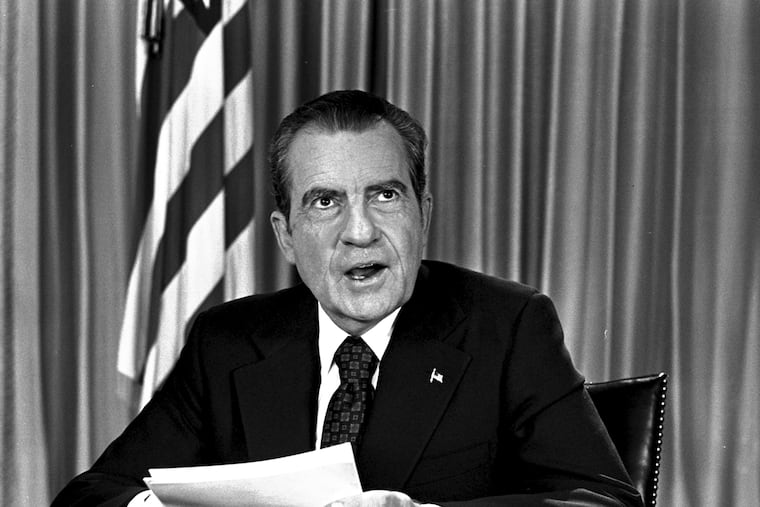
All Americans should embrace the words spoken during Richard Nixon’s impeachment proceedings by the late U.S. Rep. Barbara Jordan (D., Texas): “My faith in the Constitution is whole; it is complete; it is total. And I am not going to sit here and be an idle spectator to the diminution, the subversion, the destruction of the Constitution.” — and honor her legacy by acting to stop this march toward autocracy in its tracks.
Jim Paladino, Tampa, Fla.
Blocking power
Families across the country are shouldering the strain of unaffordable energy bills. The growing hunger for power from data centers being built in or planned for Pennsylvania is only going to drive costs higher. But data centers are coming. We are going to need more power.
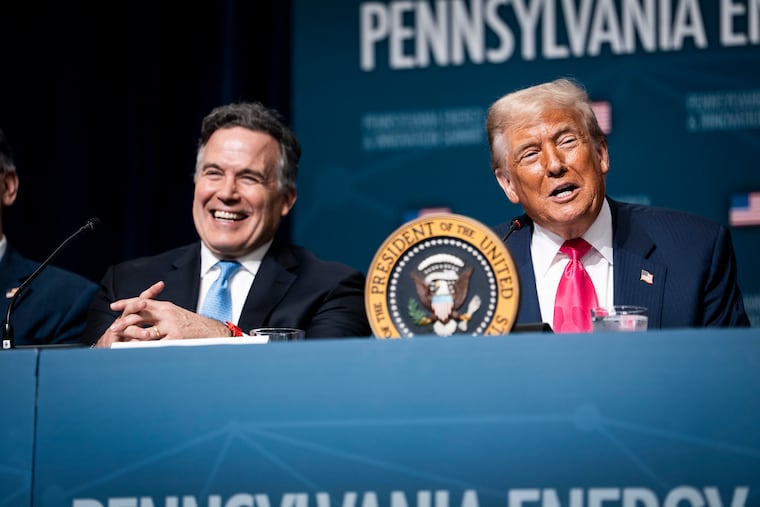
What is the president doing about this problem? What is the president doing to help lower our electric bills?
In December, his Interior Department issued stop-work orders for five offshore wind farms along the Atlantic coast, putting thousands of workers out of a job just days before Christmas. Those five projects, which were already under construction or about to begin, were creating thousands of local jobs, and, when completed, would have provided enough power for 2.5 million homes and businesses — or data centers.
Offshore wind is a reliable and inexpensive energy source that helps communities save money and keep the lights on. In fact, offshore wind is strongest in the winter and at night — right when we need it most. Thankfully, after less than two months, federal judges have ordered all the projects to move forward, putting workers back on the job.
I am calling on the president to stop his senseless attacks on offshore wind. Do something positive to lower our energy costs. Let the workers finish the job.
Peter Furcht, Philadelphia
Join the conversation: Send letters to letters@inquirer.com. Limit length to 150 words and include home address and day and evening phone number. Letters run in The Inquirer six days a week on the editorial pages and online.