Letters to the Editor | Feb. 18, 2026
Inquirer readers on the proposed voting requirements under the SAVE America Act.
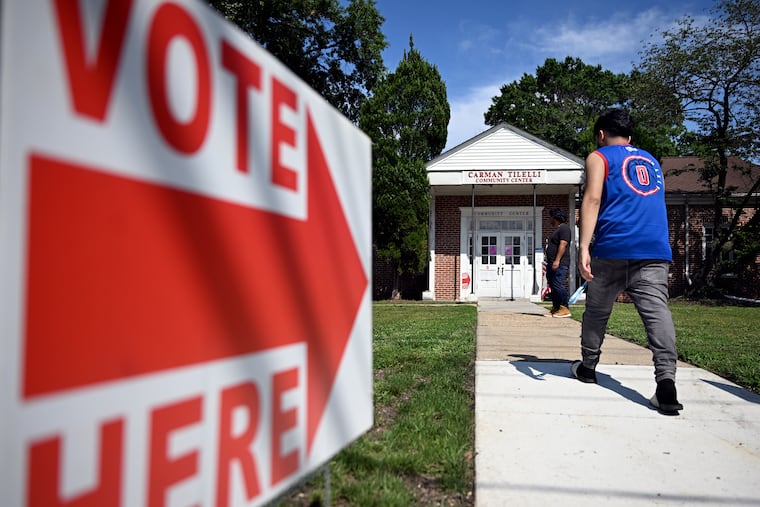
Are new voting rules needed?
Regardless of frequently repeated claims, voter fraud is exceptionally rare, and the Safeguard American Voter Eligibility, or SAVE America Act, would only prevent an extremely small number of ineligible votes. While the GOP claims the SAVE Act is an attempt to preserve voter integrity, they know statistically that this will create difficulties for certain classes of voters who often vote for Democrats. Studies have shown, for example, that documentation requirements will place a disproportionate burden on communities of color and those with low incomes. Restrictions on vote by mail are likely to suppress the vote from hourly and shift workers, the elderly, those with disabilities, and people who do not have easy access to transportation to the polls. In this same vein, not allowing people to vote by mail forces them to vote in person, where in some places they may have to deal with voter intimidation and harassment (threats from others, long lines without water, etc.). For years, Republicans have pursued harsh penalties for poll workers — a move that may discourage participation by volunteers and slow down voting on Election Day, which may deter some folks from voting (again, long election lines).
Let’s call it what it is: This is intentional voter suppression and an attack on our democracy.
Kent Kingan, Malvern
. . .
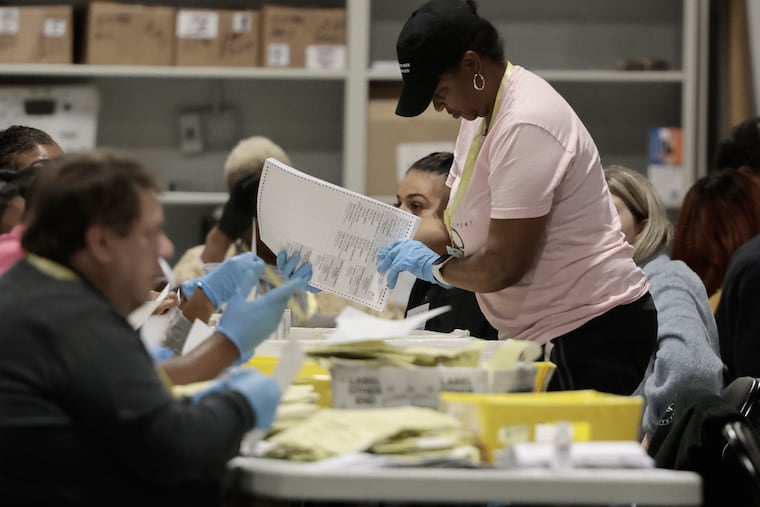
The League of Women Voters is absolutely correct in stating that the SAVE America Act, just passed by the U.S. House of Representatives, would add a burden on voters to present documentary proof of citizenship and voter eligibility, a burden that could be substantial for many, to solve a problem that does not meaningfully exist. However, the organization goes too far in stating that Pennsylvania already has safeguards to ensure only eligible citizens vote, because federal law requires voters to attest to their citizenship when they register and “[e]lection officials verify identity and eligibility.” I have been a judge of elections in Philadelphia for more than a decade. With the exception of voters who must present identification because they have not previously voted in my election division, the only means election officials have to verify the identity and eligibility of someone seeking to vote is to ask for their name and address, confirm that that name and address is in our poll book of eligible voters, and then compare their signature with the signature that appears in the poll book, which is a copy of a signature recorded at the time the person with that name and address registered to vote. For some people, the two signatures are an easy match. But for others — indeed, the majority — not so much. This is especially the case with respect to people who registered years ago. And the problem has compounded since we started using electronic poll books, and voters are signing what is essentially an iPad, usually using a finger. Should I prohibit a person from voting because their signature on Election Day does not match the signature they recorded at the time they registered? Should I tell them they can only vote by provisional ballot? If I do not, can I honestly say I have verified the identity and eligibility of that person?
Jeff Braff, Philadelphia
Join the conversation: Send letters to letters@inquirer.com. Limit length to 150 words and include home address and day and evening phone number. Letters run in The Inquirer six days a week on the editorial pages and online.