Letters to the Editor | June 26, 2026
Inquirer readers weigh in on government-managed healthcare and voter frustration with affordability.
Affordability challenge
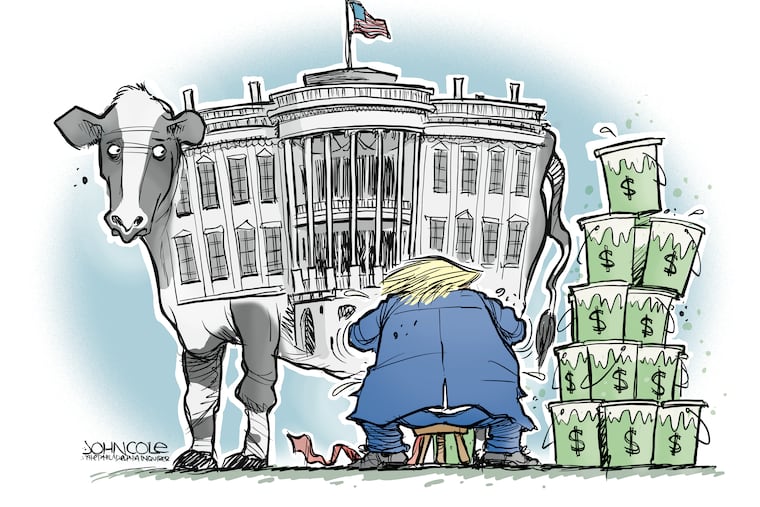
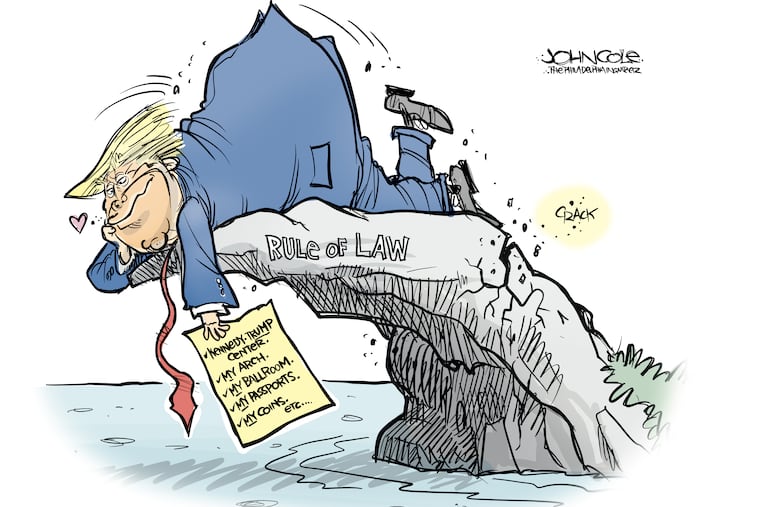
The Democratic National Committee should require each presidential candidate — as a condition of receiving campaign financing support — to issue at least one press release a week on affordability. There is no issue that is going to be more important to voters in the midterms or in 2028 than their ability to afford food, housing, and healthcare. Not abortion, not LGBTQ issues — nothing takes precedence over being able to afford your own food, housing, and healthcare. The president dangles so many alluring targets for commentary — the failed war in Iran, the grift, and of course, the algae and peeling paint in the Reflecting Pool. But don’t be sidetracked, Democrats: What people care about is their money. Get on it. At least one piece a week solely on affordability. You can thank me later.
Linda Falcao, Baltimore
Personal option needed
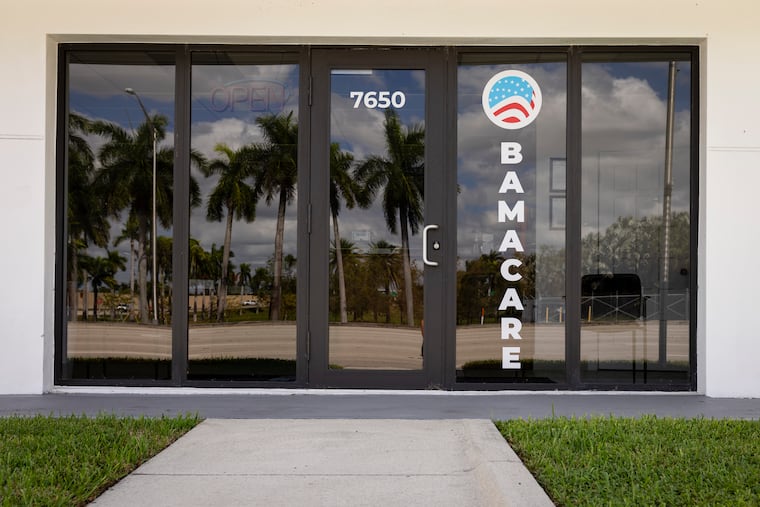
The Editorial Board is right: Washington is failing patients. But a public option would only make things worse.
The Inquirer’s editorial claims five insurers have “earned” $9 trillion since the Affordable Care Act passed in 2010. But that’s a misleading figure because it represents revenue, not profit.
Those companies made a combined $371 billion in net income over that period — a 4.1% margin (low compared with other industries), or roughly $25 billion a year. Against the nearly $5 trillion Americans spend on healthcare annually, that’s about one-half of one percent. Insurer profit isn’t driving the affordability crisis.
The ACA has already pushed America toward government-managed healthcare, consolidated insurers, and increased premiums. A public option would deepen that path.
Canada’s median wait for specialist care now runs nearly 29 weeks, and the U.K. has more than 7 million patients on its waiting list. This rationing isn’t incidental; it’s how governments control costs when a fixed budget meets unlimited demand.
The real fix is to empower patients. This means enacting price transparency, expanding telemedicine, and allowing nurse practitioners and pharmacists to practice the full extent of their training. But that’s just the beginning of getting government out of the way of affordable care.
Andrew Lewis, president and CEO, Commonwealth Foundation
Join the conversation: Send letters to letters@inquirer.com. Limit length to 150 words and include home address and day and evening phone number. Letters run in The Inquirer six days a week on the editorial pages and online.