Letters to the Editor | March 10, 2026
Inquirer readers on the end of tax credits for electric vehicles and how Donald Trump's business management style is reflected in the Iran War.

A world away
While I was walking around Rittenhouse Square Saturday morning, listening to the joyous music from a street band at the corner of 18th and Walnut Streets, it struck me how we are a world away from the destruction and death being rained upon the Middle East. I could not detect a noticeable difference from any other Saturday. While we have experienced terrorist attacks, it has been more than 160 years since most Americans have felt the pain and suffering of a war on our mainland. Wars have been fought “over there” and not here. Perhaps that is why it seems the general public’s response to this latest U.S. incursion “over there” is so tepid. Imagine the response if bombs were raining down on our institutions and schools. It would make 9/11 pale in comparison.
Iran has certainly been a bad actor for decades, and a case could have been made for taking coercive action, but that case was not made to the American public or our allies, so we are fighting a war lacking support from key constituents. It’s a fact that the war on Iran is unconstitutional. What bothers me the most is the arrogance of our leaders and their cavalier approach to the war. They delight in the destruction and death that this war has wrought on our adversaries. This bro attitude is just wrong and should not be representative of an America that should strive to be a positive and humble leader, not a bully in war and in peace. Our current sycophantic congressional majority will never hold this administration to account for or justify this war. The general public, while perhaps not supporting this incursion, has normalized it, since it stays “over there.” Unfortunately, more unconstitutional wars “over there” will ensure the future will bring war “over here.”
William F. Spang Jr., Philadelphia
Bad business
Many Philadelphians remember a long‑documented pattern from Donald Trump’s years in the building business: When a project faltered, subcontractors were often the ones left unpaid, forced into costly legal battles or even bankruptcy. Banks, too, were pushed into renegotiated loans and losses. These outcomes weren’t accidents — they were the predictable result of ventures launched without the critical thinking or financial discipline they required.
Today, the same management style is being applied to a much larger enterprise: the United States government. And the new “subcontractors” absorbing the fallout are the citizens themselves.
Americans invest in their government through taxes, with the expectation that those resources will be managed responsibly. Instead, we are watching rising costs, policy whiplash, and shortsighted decisions erode wages, savings, and household stability. When leadership treats the nation like a distressed real‑estate project — improvised, reactive, and indifferent to long‑term consequences — the public becomes the creditor left holding the bill.
A country cannot be run like a failing construction venture. Citizens deserve governance that plans ahead, pays its obligations, and protects the people who fund it.
Steve Abramovitz, Cherry Hill
Pro business?
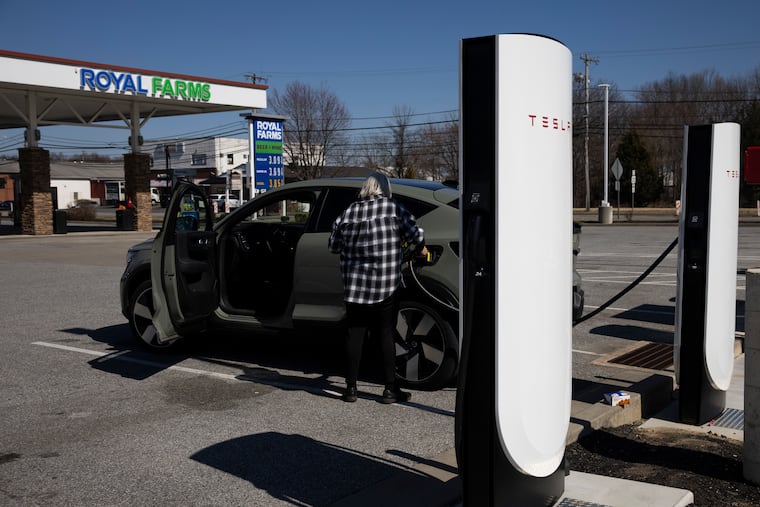
Federal tax credits for electric vehicles — up to $7,500 for new, $4,000 for used — are no longer available for vehicles purchased or placed in service after Sept. 30, following the One Big Beautiful Bill Act.
The president and the Republican Congress, who talk about being pro-American business, have ceded the EV industry — which was essentially jump-started in the U.S. in recent years by Tesla — to China.
James A. Morano, New Britain Township
Join the conversation: Send letters to letters@inquirer.com. Limit length to 150 words and include home address and day and evening phone number. Letters run in The Inquirer six days a week on the editorial pages and online.