Letters to the Editor | March 23, 2026
Inquirer readers on the Iran war, redistricting in Pennsylvania, and overdose deaths in the city’s Puerto Rican community.
Russia isn’t our ally
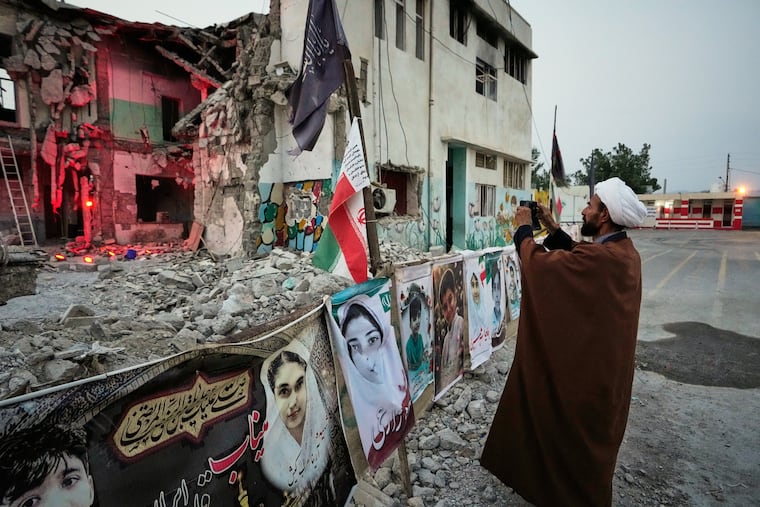
As a veteran, I know the value of allies. It is, therefore, appalling that this administration initiated a war (yes, it is a war) with Iran without first notifying, let alone consulting with, our allies. And by allies, I mean NATO.
And now, this administration is asking — nay, demanding — these same countries immediately step up and expend resources, and possibly lives, to help us open the Strait of Hormuz, a byproduct of attacking Iran that even my high school students back in the 1990s would have been able to identify as an obvious outcome of such a military action.
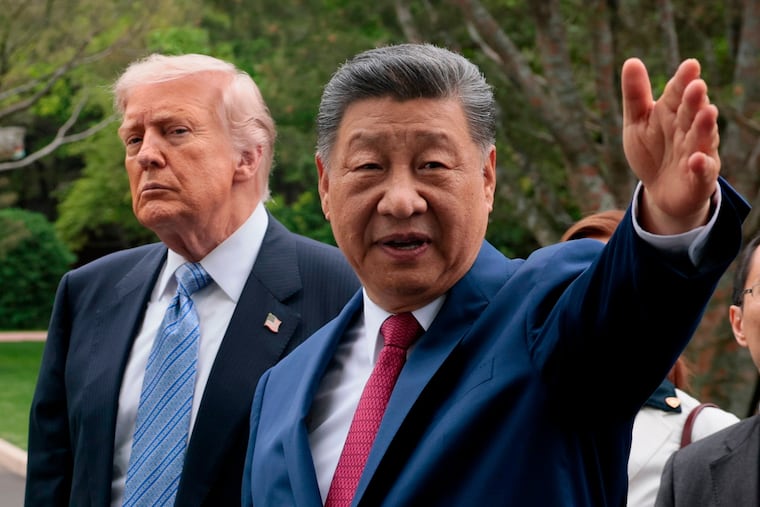
But worst of all, this administration is also sending the call to China to help open the strait? That’s like an episode of The Simpsons, and would be as funny if it weren’t so disgusting. And I’m not even going to mention the obvious, equally disgusting nod to help Russia by lifting the sanctions on them. Russia is not our ally.
What’s the breaking point where staying in power and in the good graces of this unserious administration is finally outweighed by doing what members of the president’s cabinet know in their heart is right? This has got to be it, no?
Jim Crisfield, Philadelphia
America alone
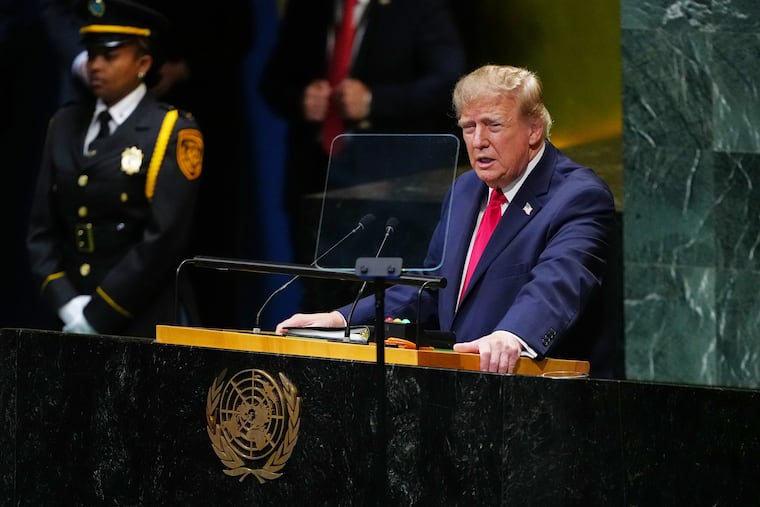
I’m encouraged to learn that other world leaders, including our allies, have pushed back against Donald Trump’s call that they join his war with Iran. I believe the Canadian prime minister’s refusal to be bullied by Trump has given NATO the spine to respond the same way to Trump’s pleas for help. Maybe the Republicans in Congress will discover that they, too, have a spine. If so, Americans and the rest of the world will owe Mark Carney a huge debt. May he live forever.
Grant Grissom, Newtown Square
No secret police
A recent article outlined the steps that municipal- and county-level officials are taking to limit cooperation with U.S. Immigration and Customs Enforcement. I believe we can do more to protect citizens’ rights and freedoms. All enforcement organizations and their agents (local, county, state, federal, and military) must be required to comply with the following requirements when conducting operations in our streets (an exception to these requirements would occur when conducting legitimate undercover operations that require agents to operate anonymously):
Each enforcement agent would need to wear functioning body cameras that are activated.
Recordings must be shared with local, county, state, and federal justice departments when violent altercations occur.
The enforcement agent must display accurate identification (names, rank, and enforcement organization).
Face coverings must be banned. How could any law-abiding resident trust an armed individual wearing a mask, irrespective of wearing a uniform?
Tom Homan (the White House border czar) has made assertions regarding thousands of doxing episodes against ICE agents. Considering many ICE agents have been hiding their identities since the start of their reign of terror on American streets, I don’t see how this could be a major concern. I believe it’s more about protecting agents who commit illegal acts against peaceful protesters.
I’d also like to point out that the U.S. Department of Homeland Security and ICE agents don’t have an issue recording the faces of peaceful protesters and importing them into facial recognition and AI software to identify them. Are we to accept our government surveillance of individuals exercising their constitutionally protected rights while also protecting the surveillants’ identities at the same time?
William L. Hutt Jr., Brookhaven
Cost of war
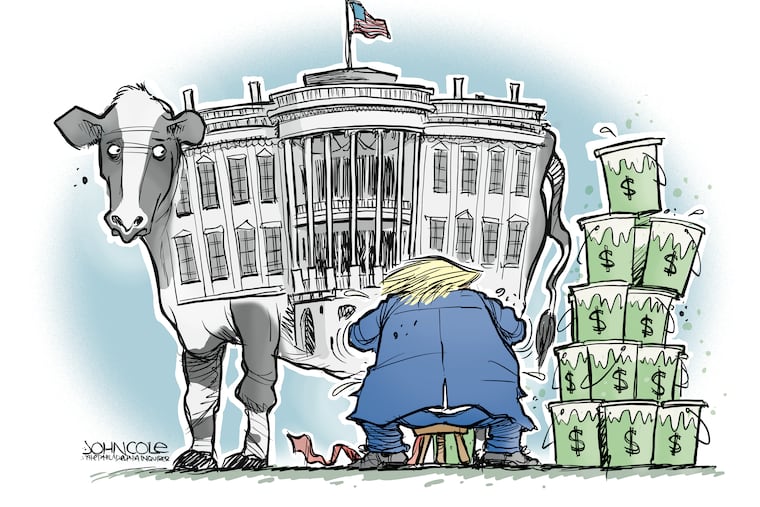
The budget for the U.S. Department of Defense (or the “War” Department) is close to $900 billion for the fiscal year 2026. I read that the war in Iran is costing U.S. taxpayers $1 billion a day. Why? What was the $900 billion for? My understanding is that we pay $900 billion a year for something that, if actually used, requires that we must pay an additional billion dollars a day? Where is the accountability for this amount of money being spent?
The federal debt is pushing $40 trillion. It seems everything is on the table to be cut — all social services, anyway. How about taking a look at the sacred cow of the Defense Department? Depending on which source you read, the United States spends as much on the Defense Department as the nine countries behind it combined. Russia has been in a shooting war for four years, and its defense budget is not even $300 billion (almost $600 billion less than we spend).
There is simply no need for this amount of our country’s resources to be directed to the bloated Defense Department budget, war or no war.
Barry Muth, Willow Grove
Stigma of addiction
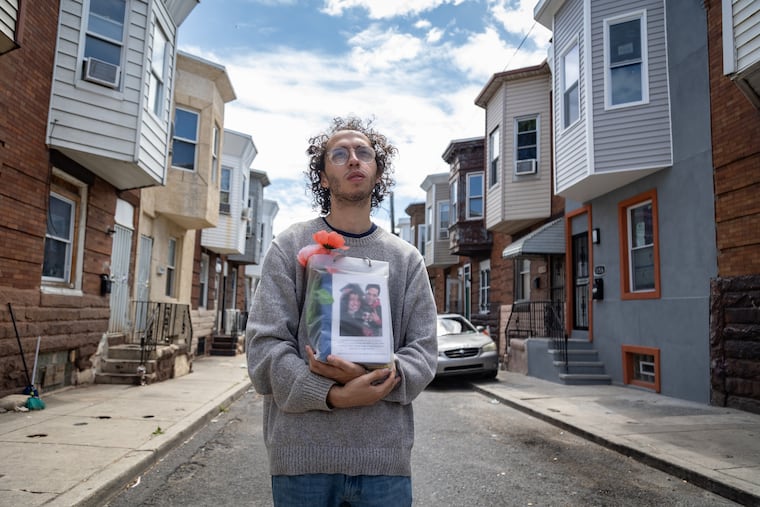
The recent article on overdose deaths in Philly’s Puerto Rican community highlights a devastating trend. However, behind those numbers lies a systemic failure: a medical education system that remains largely unequipped to provide culturally competent addiction care.
As a physician associate and medical coordinator for a methadone and buprenorphine clinic, I witness the physical toll of this crisis daily. We are seeing a rise in severe skin infections, seizures, and intensive care admissions driven by additives like xylazine and medetomidine.
Yet, the pervasive stigma surrounding substance use disorder — which often treats addiction as a moral failing rather than a chronic disease — continues to obstruct efficient, coordinated treatment for these patients.
This stigma is a uniquely American obstacle.
While speaking with a pharmacist in Paris about my work in addiction medicine, his surprise at our struggle prompted me to admit that we have yet to adopt the more compassionate, evidence-based models used across Europe. In countries like Portugal, Norway, and Switzerland, medical education is designed around the reality that opioid use disorder is a chronic, relapsing disease — much like diabetes or hypertension.
By prioritizing addiction prevention, expanding access to methadone, and utilizing medically supervised safe consumption sites, these nations have successfully decreased overdoses, incarcerations, and infections.
While Mayor Cherelle L. Parker’s new housing program is a positive step toward rejuvenating care, Philadelphia must go further. We must follow the lead of successful international models and the recommendations of former Surgeon General Vivek Murthy by integrating robust addiction education into our medical schools and establishing safe consumption sites.
To truly save lives in the Hispanic community and beyond, we must replace stigma with science and ensure our healthcare providers are trained to treat addiction with the urgency and expertise it requires.
Bernard Stuetz, Richboro
Pass redistricting reform
Across the country, both parties are trying to rig the 2026 midterm elections with new state maps. Gerrymandering is thriving.
In Pennsylvania, House Bill 31 and Senate Bill 131 create an independent redistricting commission, preventing politicians from drawing distorted districts. Party leaders block votes on the bills. Why won’t House Speaker Joanne McClinton (D.) and Majority Leader Matt Bradford (D.) schedule a House vote? Why won’t Senate President Pro Tempore Kim Ward (R.) and Majority Leader Joe Pittman (R.) schedule a Senate vote?
Because the majority and minority party leaders in each chamber comprise four of the five people who currently draw Pennsylvania districts.
So, leaders deflect, even though two-thirds of Pennsylvania citizens support an independent commission.
Political leaders of both parties don’t agree on much, except that politicians, not citizens, should draw the maps.
Call these leaders today and demand a vote.
It’s our government, and we want to choose our legislators, not have politicians choose their voters with manipulated districts.
Rachel Sorokin Goff, Elkins Park
Hoping bigly
I’m likely the only registered Democrat who hopes President Donald Trump succeeds in proving he was elected in 2020. If he had been, then he could not have been elected in 2024 (per Section 1 of the 22nd Amendment to the Constitution).
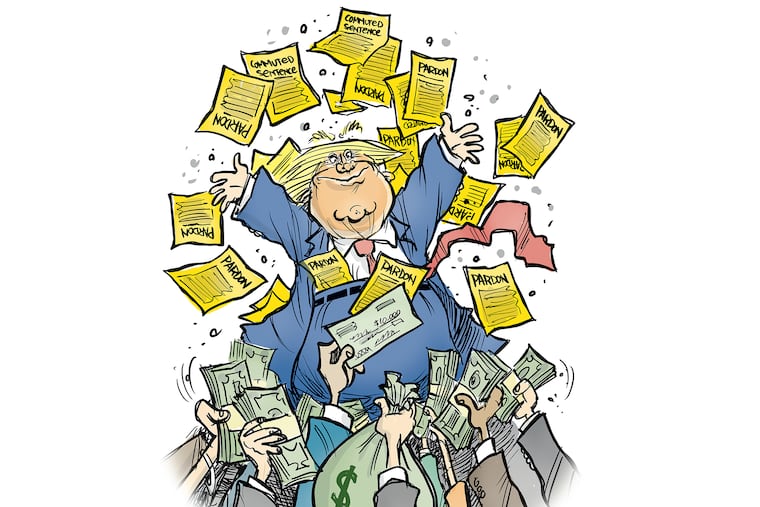
That would mean everything he has done as president since Jan. 20, 2021, was not legal. The pardons never happened. The bills he signed did not become law until months later. The appointments never happened.
Good luck, Mr. Trump; I hope you prove your point.
Martin Cohen, Jenkintown
Join the conversation: Send letters to letters@inquirer.com. Limit length to 150 words and include home address and day and evening phone number. Letters run in The Inquirer six days a week on the editorial pages and online.