Letters to the Editor | May 21, 2026
Inquirer readers on the dismantling of USAID and the importance of Center City street sweepers.
A cleaner Philly
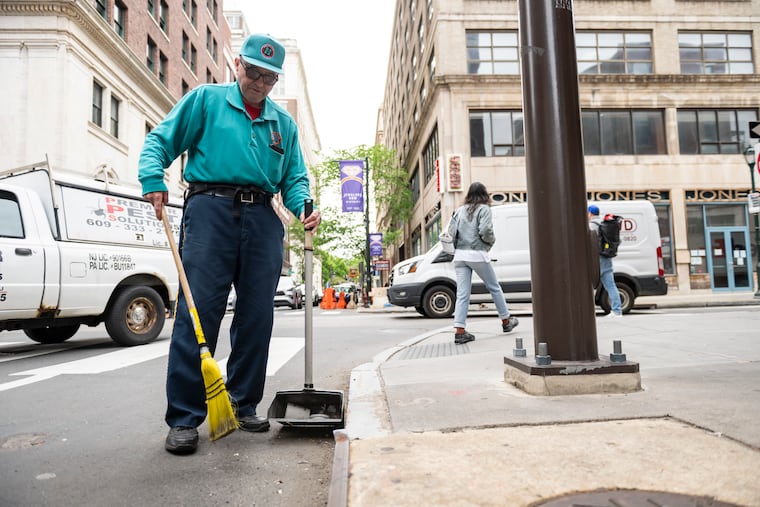
Kudos to The Inquirer for its recent article on the street sweepers who work for the Center City District, keeping our downtown clean. So often, such workers are overlooked, unnoticed, and unappreciated by the citizens and the media; they simply become part of the scenery. We tend to only notice in the absence of their work.
I am old enough to have worked in Center City for years before the Center City District was created, a time when Philadelphia justifiably earned its then-nickname, Filthadelphia. The norm was trash everywhere, trash often swirling around us in the wind. In contrast, our norm now is clean streets thanks to the work of the women and men featured in the article, along with their colleagues. I offer my thanks to all of them, as I can now enjoy moving about our trash-free city because they quietly go about their most important work.
William J. Shepherd, Philadelphia
Foreign aid matters
Tensions between the United States and Iran have renewed fears of a broader conflict in the Middle East. Iran-backed militias have attacked U.S. forces in Iraq and Lebanon, while the United States has responded with air strikes and expanded sanctions. At the same time, negotiations over Iran’s nuclear program continue to stall, increasing concerns about future instability in the region.
These developments also highlight the consequences of dismantling the U.S. Agency for International Development. For decades, USAID-supported programs in countries such as Syria, Yemen, and Lebanon provided food assistance, medical care, refugee support, and disease prevention for civilians affected by war and economic collapse. Following cuts to American aid operations, several clinics and humanitarian programs were forced to reduce services or close entirely.
Foreign aid is often debated in terms of cost, yet USAID accounted for only about 0.3% of federal spending in 2024, while supporting humanitarian and diplomatic efforts abroad. As tensions with Iran continue, and rival powers such as China expand their influence in the Middle East, restoring American foreign aid may prove important not only for regional stability but also for maintaining U.S. influence internationally.
Taylor Ulrich, Philadelphia
Celebrating the past
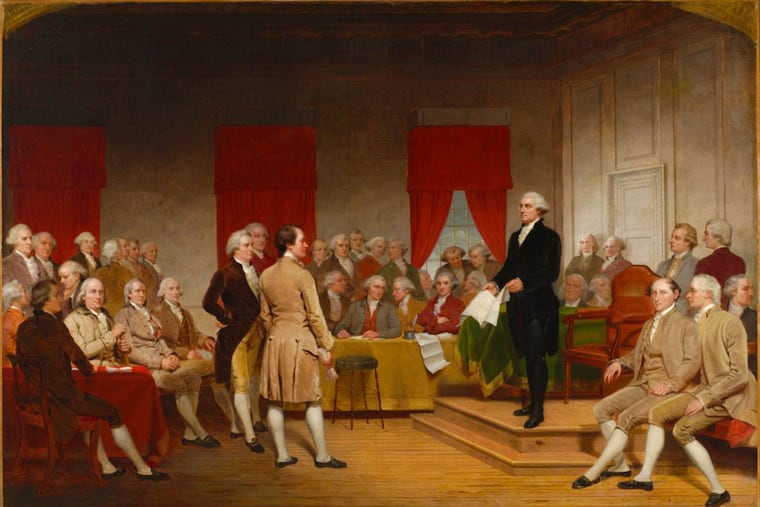
In Philadelphia, 50 cents in your pocket can’t get you very much. In 1876 in Philadelphia, it bought you the world. Literally. The Centennial Exposition, Philadelphia’s celebration of a century since the Founding Fathers inked the defining document of America’s freedom in the Statehouse in July of 1776, wasn’t just retrospective.
In the very same year Gen. George Custer was defeated on the plains of Montana at Little Bighorn, Philadelphia’s Fairmount Park was covered with buildings featuring innovations of the time, including science, manufacturing, horticulture, and art.
For a few dollars more than the fee of 50 cents in 1876, Fairmount Park still offers some great history. Henry Platt’s Lemon Hill — built upon Robert Morris’ estate known as The Hills. John MacPherson’s Mount Pleasant — constructed thanks to a fortune amassed from privateering in the Caribbean. And, of course, Strawberry Mansion.
And at the end of seven months in November of 1876, how many people saw the World’s Fair that year in Philadelphia? It was more than nine million.
Michael Thomas Leibrandt, Abington
Join the conversation: Send letters to letters@inquirer.com. Limit length to 150 words and include home address and day and evening phone number. Letters run in The Inquirer six days a week on the editorial pages and online.