Americans take their heroes where they can get them, but they should look past Philly’s sheriff | Shackamaxon
This week, Rochelle Bilal gets the national spotlight over her comments about ICE. Plus, SEPTA’s many woes, and a lackluster Semiquincentennial so far.
This week’s column talks about heroes with feet of clay, SEPTA’s starts and stops, and America’s 250th birthday celebrations.
No one’s hero
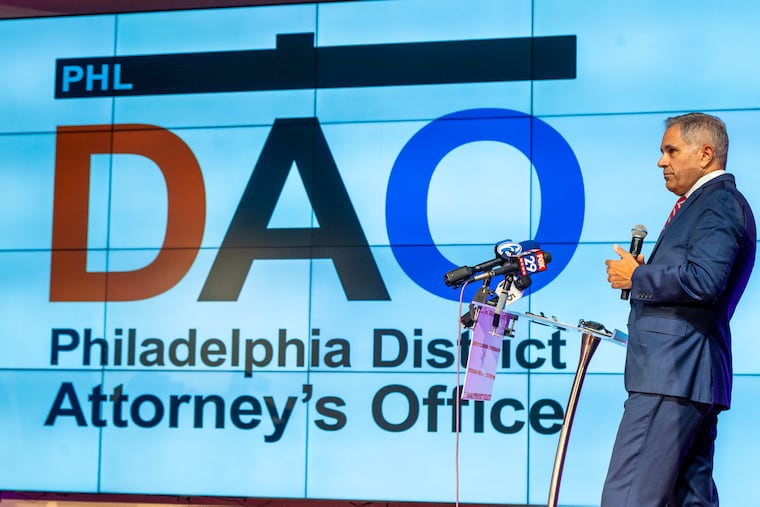
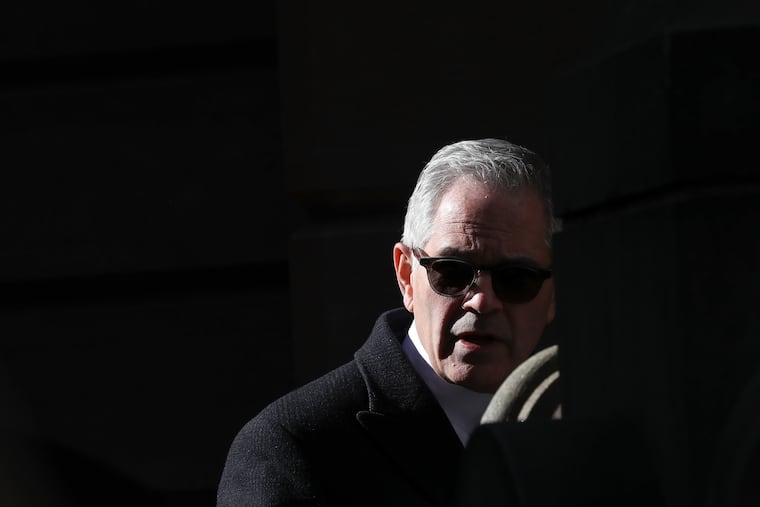
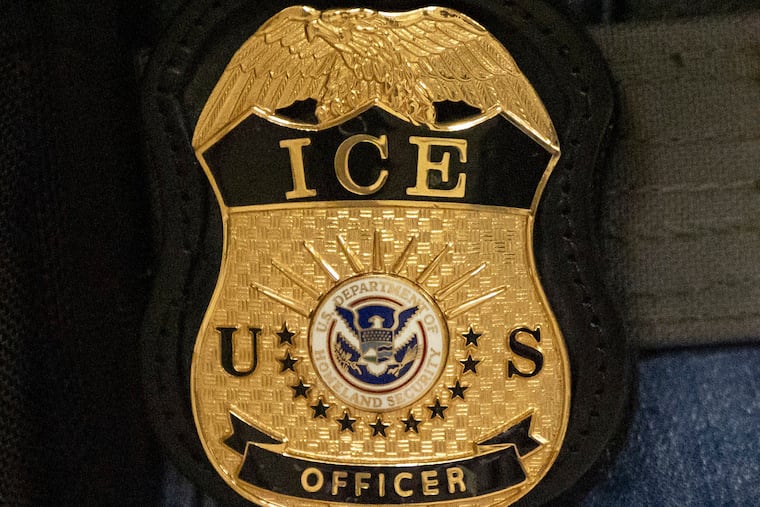
Philadelphia Sheriff Rochelle Bilal is having her 15 minutes of fame this week, with her comments at a news conference alongside District Attorney Larry Krasner spreading across social media. After the killing of Renee Good by U.S. Immigration and Customs Enforcement agent Jonathan Ross in Minneapolis, Krasner stated that he would hold federal officers accountable for any violation of the law. Bilal warned that the feds “don’t want that smoke” and called ICE “fake wannabe law enforcement.” She even scored an interview with CNN’s Erin Burnett.
That’s all well and good, but there’s one big problem with Bilal’s position: The sheriff ultimately has no ability to protect Philadelphians from ICE.
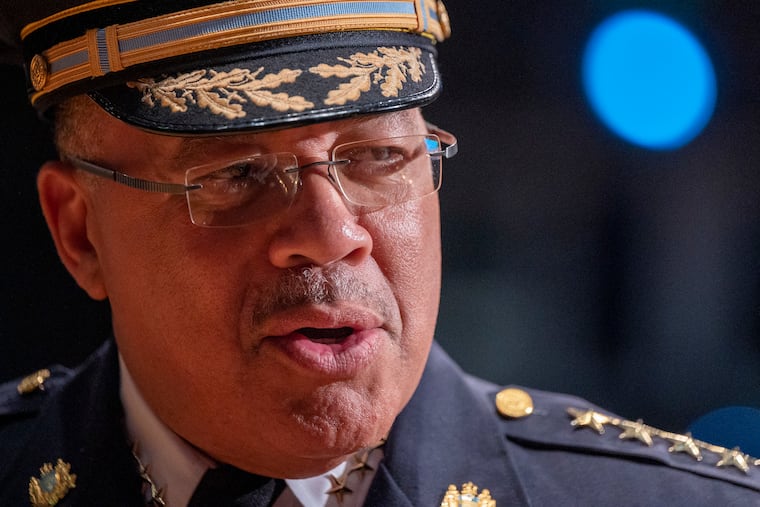
Despite her title and natty uniform, it is Police Commissioner Kevin J. Bethel who serves as the city’s top law enforcement official, not Bilal. This is a good thing because the sheriff’s track record is disastrous.
Despite running for the office in 2019 as a reformer, Bilal began her tenure by firing Brett Mandel, her chief financial officer, just five weeks into his tenure. Mandel had flagged her use of what he described as a slush fund. A longtime good government advocate, Mandel objected to using city funds to pay for things like parking tickets and six-figure media consulting contracts.
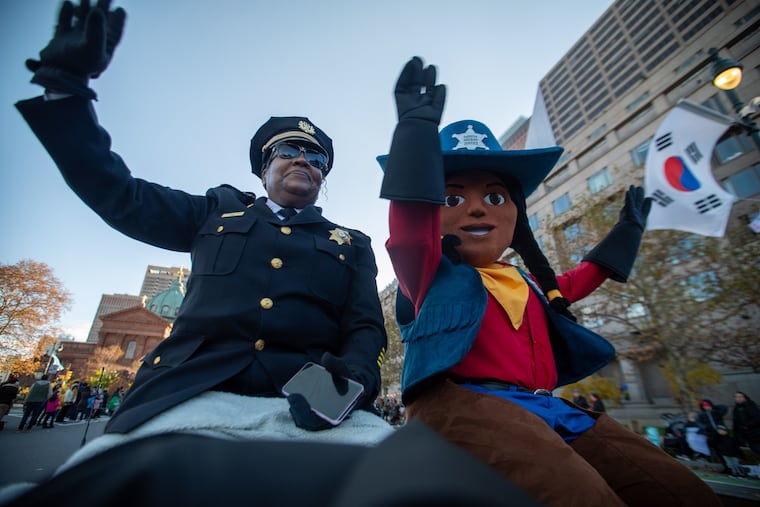
Things haven’t improved in the years since. Bilal was publicly criticized by the city’s judges for her failure to protect courtrooms, turning over foreclosure sales to an online operator with little notice, covering up the theft of a department-issued vehicle, one of her deputies was caught selling guns illegally, and her office wasted nearly $10,000 on a new mascot no one asked for. The list goes on, yet city officials have mostly steered clear of criticizing the sheriff for her missteps.
While Bilal was basking in the media spotlight of talking tough against ICE, Bethel was not amused. Given Mayor Cherelle L. Parker’s clear strategy to avoid poking the orange bear, Bilal’s comments forced the commissioner to make clear in a statement that it is the Philadelphia Police Department that runs law enforcement in the city, not the sheriff.
If people are looking for a genuine local hero in the national crisis over immigration enforcement, why not opt for Keisha Hudson instead? Hudson, who leads the local Defenders Association, has put together a new unit specializing in immigration cases. An immigrant from Jamaica herself, Hudson has both the right job and the right life experience to help residents who have been mistreated by ICE.
Bilal, on the other hand, can’t even keep ICE from turning the courts she’s responsible for into a hunting ground for the feds.
The wheels on the bus
During the yearslong debate over transit funding in Pennsylvania, one consistent drumbeat is that SEPTA needed to become more efficient if it wanted to get more support.
Of course, SEPTA already does more with less when compared with other major agencies, with cost-per-ride lower than in Boston and Washington, D.C. Additionally, trying to save money can sometimes cost agencies in the long run, or at the very least cost scarce political capital.
In fact, most of the current crises SEPTA faces are the result of trying to save money or insufficient political will. For example, better capitalized agencies would have replaced the Regional Rail fleet a decade or so ago. Meanwhile, the weekslong closure of the trolley tunnel happened because the agency tried using a new part — in the hope that it would be replaced less frequently and cost less.
Perhaps the Broad Street Line felt left out of the chaos because operations there have become a new pain point for riders. The 1980s Kawasaki trains are well-built. They are also nearly 45 years old. When I first started at The Inquirer five years ago, then-SEPTA General Manager Leslie Richards told me she hoped to avoid replacing the trains until the 2040s. Recent issues on that line make me question that timeline.
For weeks, the trains have struggled with mechanical issues. Riders have reported jam-packed trains that have been forced to skip stops, line adjustments, and other delays. According to a spokesperson, door faults and general vehicle malfunctions have contributed to the problems.
It all came to a head at the end of Sunday’s Eagles game.
After a door issue disabled a train near Snyder Station, already dejected fans were forced to wait until 9 p.m. to catch a ride home. SEPTA is spending $5 million to upgrade the traction motors, which should help. What’s really needed, however, are new trains.
Let’s get this party started
The United States is celebrating a big one this year. America’s big 250th birthday party is here … can you tell?
I can’t. While big events like the World Cup are planned for later this year, there is currently little to indicate that 2026 is any different from 2025. The patriotic bunting that sprouted all over Philadelphia during the Civil War and the Centennial has yet to appear.
Still, help is on the way. City and state officials announced an $11.5 million initiative to remove graffiti, plant flowers, and otherwise beautify the city.
At that price, we should probably do it every year.

Inquirer Opinion Newsletter