Car crash: Don’t count on 911 for speedy help | Stu Bykofsky
There’s got to be a better way than stranding motorists by the roadside.
I’m trying to find out why cops can be slow to reach some car crashes after 911 is called. One reason: Such calls don’t get high priority. That surprised me.
Here’s another surprise: You can leave the scene of an accident.
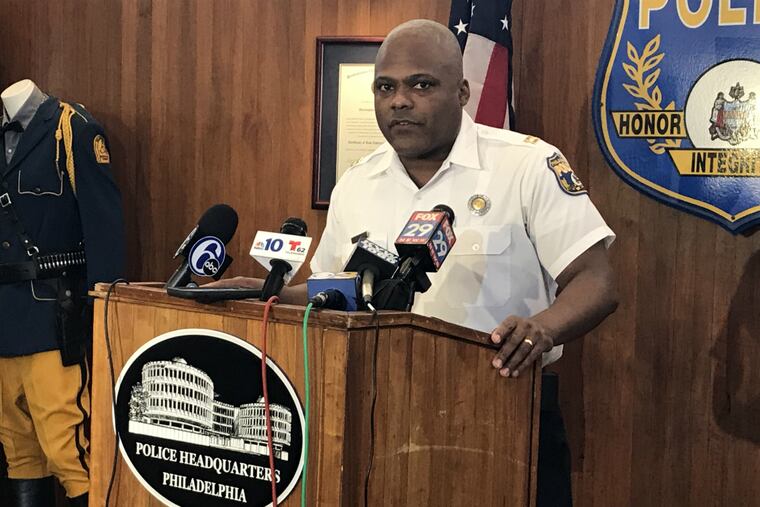
When it’s a simple fender bender with no injuries and no disabled vehicle, says a Philadelphia police spokesperson, Capt. Sekou Kinebrew, it’s a civil matter, not criminal. Drivers can exchange information and leave.
The captain and I are having a conversation after a February column concerning Sheri Minkoff, who says her 2017 black Subaru Legacy was hit on Roosevelt Boulevard by another driver who then took off. Minkoff’s car was disabled, she was rattled and called 911 a half-dozen times in two hours, she says. No one ever came — no cops, no ambulance.
Another case I reported involved DJ Jerry Blavat, who says he was struck by a motorist and slightly injured while riding his bicycle near Independence Mall. A park ranger called 911. The motorist and Blavat waited for almost an hour before they left.
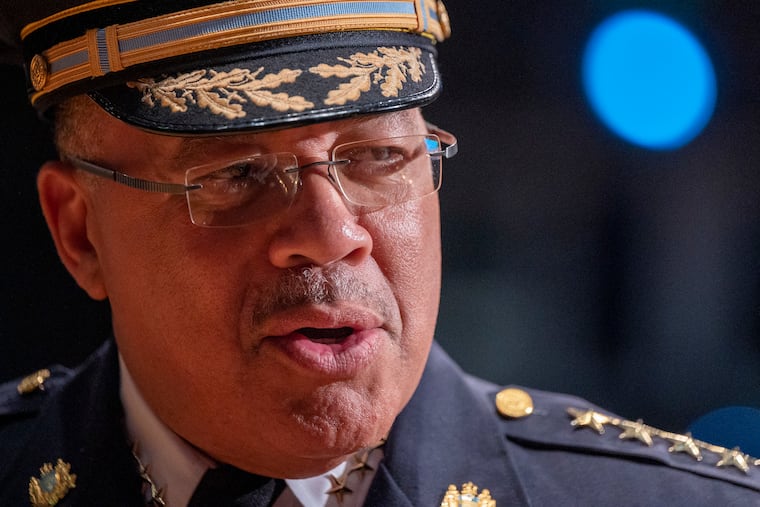
I requested an interview with Police Commissioner Richard Ross, who made the captain available.
Cops respond according to priority, Kinebrew explains. There are seven levels of urgency for 911 calls, “assist officer” being the highest and car crashes being in the middle of the pack.
A summary of the rest:
Felony in progress
Disturbance in public place
Auto accident, burglar alarm
Auto operating recklessly, report of stolen auto
Accident information request, pranks
Abandoned auto, barking dog
In the eyes of the state, there are two types of auto crashes: reportable and nonreportable.
Reportable involves injury or death, and also a call for a tow truck.
When there is no death, no injury, and no towing, that does not get reported to the state.
What should you do if no one arrives after 911 is called?
You can go to a police district to file a report in person, says Kinebrew, or call a district and make a report over the phone.
After I wrote about Minkoff’s situation, I heard from other motorists with similar complaints.
Last September, Miriam Stamm says she was hit by a pickup truck that ran a red light at Roosevelt Boulevard and Lott Street. The driver did stop. Stamm hit her chest and head and an ambulance transported her to Nazareth Hospital. She had no serious injuries.
“What gets my ire is that the officer shows up at the hospital an hour later and states, ‘What’s your version?’ ” without a word of greeting or sympathy, she says.
Last August, Joseph Romano says he was struck near 22nd and Walnut by a driver who took off. Romano reported it to police, saying there were cameras covering the intersection. Police would not give video to his insurance company, he says.
Kinebrew says cops can’t always access privately owned cameras. But these were city cameras on light poles, Romano says.
In December, Kristin Mullaney says her husband, David Ertz, was struck in Center City by a truck that didn’t stop “and the police seemed to have no interest in pursuing this crime.”
“I am left feeling like no one can and will help,” says Minkoff, who filed a complaint with Internal Affairs.
I don’t have answers. While police must respond to crimes in progress, they mustn’t leave motorists stranded by the roadside feeling abandoned.
Are police understaffed? Are they improperly deployed? Can desk officers be sent out in a pinch?
These are command questions for the commissioner. I would have liked to ask him.