In the Trump college funding fight, now Democrats are threatening academic freedom, too
A plan by two Pa. lawmakers to bar universities that receive state funding — including Penn — from signing onto Trump's compact tries to fight political interference by proposing new forms of it.
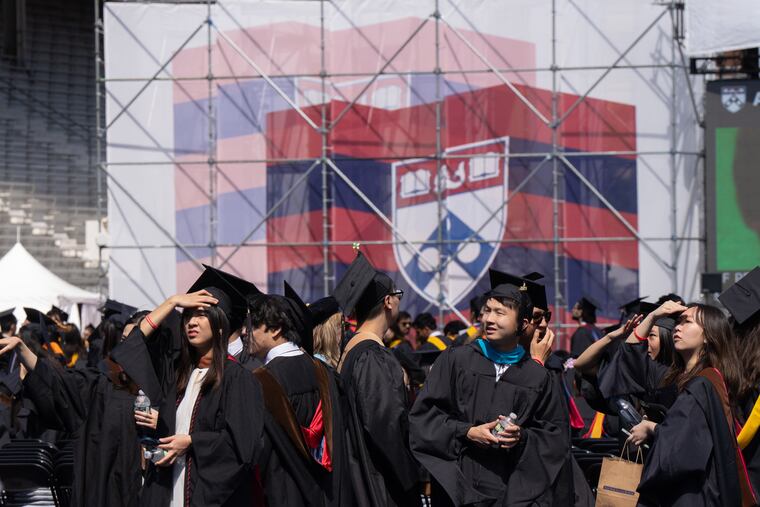
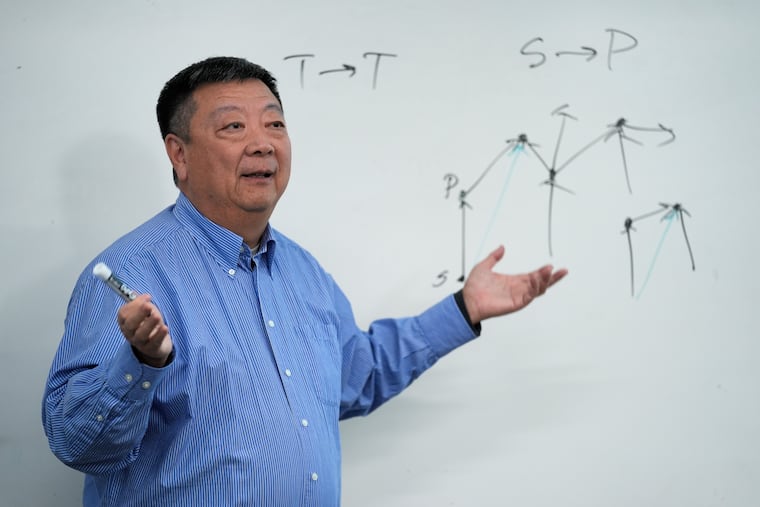
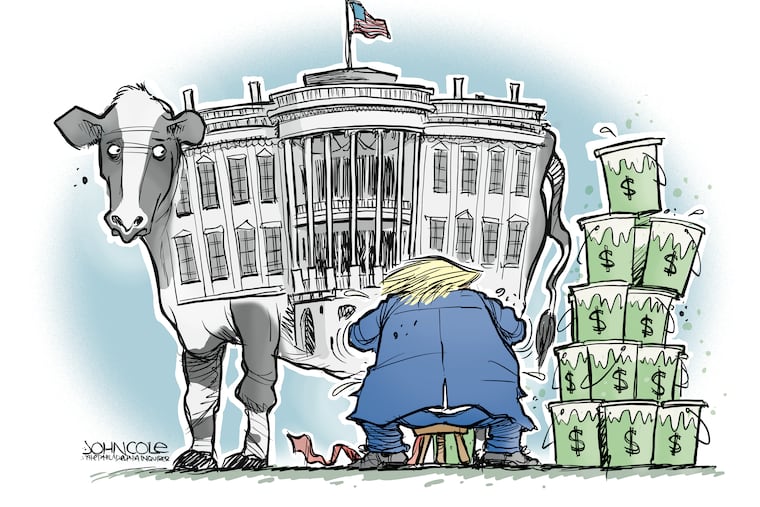
I teach at the University of Pennsylvania. I’m outraged by the Trump administration’s attempts to influence our curriculum, hiring, and admissions in exchange for preference in federal grants. And I hope we reject its proposed “compact,” which is really just an effort at extortion.
Like the vast majority of my colleagues, I’m also a Democrat. So you might guess that I was pleased when two local Democratic lawmakers said they would submit legislation to bar universities that receive state funding — including Penn — from “signing onto this compact or similar agreements.”
Guess again.
You can’t fight political interference by proposing new forms of it. And that’s precisely what the legislators are doing.
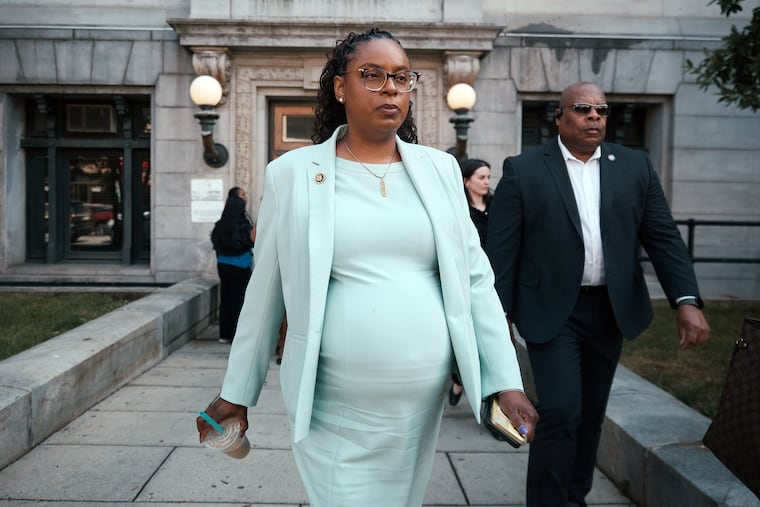
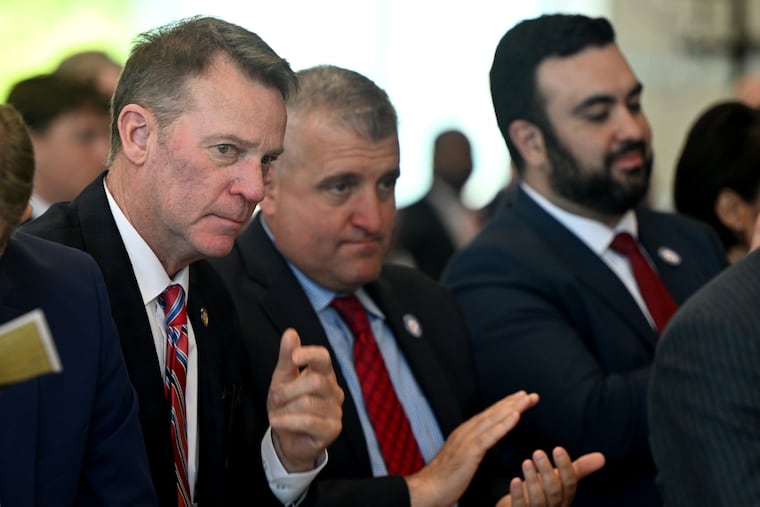
According to Pennsylvania State Reps. Malcolm Kenyatta and Rick Krajewski, the Trump administration’s compact is “another attempt” by the White House to pressure colleges and universities to “comply with its political agenda.”
Penn already caved once, back in July, when it stripped trans swimmer Lia Thomas of her medals — and apologized to other women she defeated — so it could retain $175 million that the administration threatened to withhold.
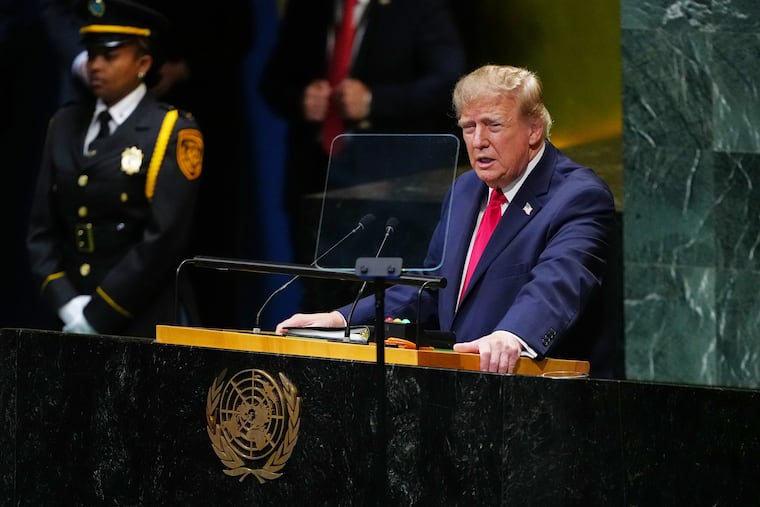
Now the White House wants us to agree to freeze tuition, cap international student enrollment, and require standardized testing for admission. We would also pledge to abolish departments that “belittle” conservative thought, which is the most terrifying prospect of all. Who will monitor all of that? And might this column run afoul of the restriction, given I’m criticizing Donald Trump? Nobody knows.
Here’s what we do know: The administration’s demands upon Penn and the other eight universities “would directly threaten the independence of these institutions,” as State Reps. Kenyatta and Krajewski correctly stated.
But they are threatening our independence, too, by insisting that any school receiving state dollars must reject the deal. Trump is promising to put us first in line for funding if we abide by his wishes. And the state lawmakers are proposing to cut off our funding for doing the same thing.
We’re a private institution. But we receive significant state support, including $32 million for our School of Veterinary Medicine. Under the Kenyatta-Krajweski measure, that money would presumably disappear if we capitulate to Trump.
I’m not OK with that. Like Kenyatta and Krajewski, I want us to say no to the Trump compact — loudly, firmly, and unequivocally. But that should be our call, not theirs.
We can’t malign Republicans in the White House for forcing our hand, then turn a blind eye to political coercion from our own side of the aisle.
The same thing is happening in California, where Democratic Gov. Gavin Newsom vowed to “instantly” withhold state dollars from any university that complied with the Trump administration’s demands. California “will not bankroll schools that sell out their students, professors, researchers and surrender academic freedom,” Newsom wrote.
But his proposal represents its own threat to academic freedom, disguised as a tribute to it.
The only school in the state that received Trump’s compact offer was the University of Southern California, which is — like Penn — a private institution. Yet, it also gets significant state funding, especially for student aid. The university received $28.4 million in 2024-2025 from the state’s Cal Grant program, benefiting 3,198 students. So if USC signs on to the Trump deal — and Newsom gets his way — all of those students would lose their aid packages.
We can’t malign Republicans in the White House for forcing our hand, then turn a blind eye to political coercion from our own side of the aisle.
I’m not OK with that, either. I share Newsom’s disgust and indignation about the White House’s attempts to coerce USC, Penn, and other universities. But you don’t answer one threat with another. Like the proposal by Kenyatta and Majewski — which is called, yes, “Protect Pennsylvania’s Academic Freedom Act” — Newsom is forsaking the same principle he purports to protect.
In a revealing comment last week, the California governor nodded to that tension. “I don’t mean to put pressure on people,” he said. “I need to put pressure on this moment and pressure test where we are in U.S. history.”
Here’s where we are: The president of the United States is placing unprecedented pressure on our universities. It’s a huge test for us to see whether we can stand up to him. But we need to do that on our own, without pressure from Gavin Newsom, or Malcolm Kenyatta, or Rick Krajewski. It’s not up to them. It’s up to us.