
Partner Content
Small Changes, Smarter Savings: Preparing Your Home and Budget for Winter
Thermostat habits, free checkups, rebates, and alternative billing options can all help PECO customers plan ahead.
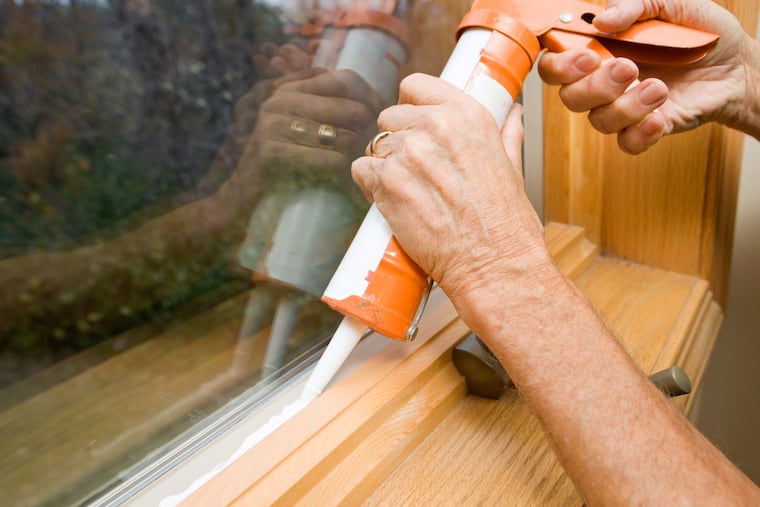
Drafty apartments, rattling windows, and perpetually chilled family members prompt many residents to turn up the thermostat as temperatures drop. If you’re concerned about your energy costs this winter, PECO offers a suite of free fixes, rebates, and tools to help you manage your bills.
According to Tom Hill, PECO’s senior energy efficiency program manager, customers often assume they need to take “drastic steps” to save energy when, instead, “a collection of small changes around your home can help your heating system run more efficiently.” Below are some suggestions from PECO experts for steps you can take to help save on your energy bill this winter.
Cozy Comfort, Simple Savings
When a home starts to feel chilly, turning up the thermostat can be an easy first instinct. Patricia King, PECO’s manager of community engagement, knows the feeling in her own home: “I had a sweater on, and my husband said, ‘Oh, are you cold? Let me turn the heat on.’ I’ll say, ‘Maybe not just yet.’ Sometimes it’s worth trying a sweater or blanket first before adjusting the thermostat.” For people without a medical need for extra warmth, King said the easiest way to keep energy bills from getting out of control during the winter months is to keep the thermostat at 68 degrees and throw on an extra layer.
It is, however, important not to go too far in the other direction. Don’t, for instance, turn off your heating system entirely. According to Hill, while it’s perfectly acceptable to turn your heat down a few degrees when you leave for the day, fully shutting it off is not recommended. Doing so can force the heater to work harder when it comes back on and increases the risk of frozen pipes, which may eventually burst at 39 degrees or lower. Hill recommends keeping thermostat adjustments within a few degrees.
Call in the Pros
Hill, a former carpenter and home efficiency expert with 16 years of experience, has conducted thousands of energy audits over his career. He notes that a huge part of saving energy is preparing your home for winter by having your heating system serviced and maintained regularly, and sealing your windows. Hill said he often finds windows unlocked, with the top sash not fully closed, which can cause drafts.
However, sometimes problems with weatherproofing aren’t obvious, and experts should be consulted to help identify them. PECO offers two programs that help make a professional assessment convenient and affordable. PECO’s Free Energy Checkup, for instance, is free for households earning at or below 150% of the federal poverty level (FPL). (For a family of four, that’s $4,125 a month or less.) The Free Energy Checkup program includes a one-hour visit from a PECO energy advisor who can install energy-saving items such as LED light bulbs or a smart power strip, depending on your home’s needs. As part of the visit, advisors also check for safety hazards and install smoke or carbon monoxide detectors, if needed. But Hill said the most valuable part of an evaluation is the education advisors provide, including steps customers can take to reduce bills and make their homes safer.
For customers whose households earn more than 150% of the FPL, PECO offers a similar Energy Assessment program for $49. Households that use electric heat can qualify for the Energy Assessment+, which also includes a blower door test, thermal imaging to identify air leaks, and an HVAC system check. The end result is a report on your home’s energy efficiency, which may recommend insulation and further weatherization. A free version of this service, the Free Energy Checkup+, is available to those at or below 150% of the FPL.
The recommended work is then scoped and referred to PECO-approved contractors. Customers in homes with central air conditioning and non-electric heating can apply for rebates of up to $435 for these services. PECO estimates that participants may save up to 20% on their energy bills by following their report’s recommendations, based on U.S. Department of Energy guidance. (Actual savings vary by home.)
Beyond improvements to your home’s structure, the appliances, electronics, and gadgets you choose can offer additional savings.
“The thing that we always tell customers: Call us. Do not suffer in silence.”
Efficiency Upgrades for Your Home
If the machines and electronics you depend on daily aren’t modern or energy-efficient, they may be using excessive amounts of electricity. Making the switch to energy-efficient versions of these devices can make a noticeable difference in your bill. To help you seamlessly make the transition, PECO maintains the PECO Marketplace, a digital storefront of energy-efficient home products, often with instant discounts applied. And while smart power strips that automatically deactivate unused plugs will help lower your bill, replacing major appliances can make an even bigger difference.
While it may seem economical to continue using an older appliance, a garage refrigerator that is more than 15 years old could cost about 20% more to run than models meeting the federal minimum energy efficiency standard. Likewise, ENERGY STAR recommends replacing furnaces installed in 2010 or earlier, and modern ENERGY STAR-certified models are about 15% more efficient than conventional models. To take advantage of such savings, PECO offers rebates on major appliances, new efficient home builds, solar panels, and, especially important during the winter, heat pumps.
Heat pumps, which have become more popular over the past 15 years, absorb heat from outdoor air and push it into the house in the winter. Hill said that while older heat pumps struggled below 32 degrees, modern models rated for cold climates work “very efficiently and effectively” in temperatures as low as -15 degrees.
Managing Your Monthly Bill
Not every step toward managing energy costs requires new equipment. Some of the most useful changes involve reconsidering the bill itself or applying for additional financial support. For example, PECO’s Budget Billing program can help even out the peaks and valleys of seasonal utility bills. Once a customer enrolls, the program uses their past 12 months of usage to calculate an average monthly payment that remains relatively consistent throughout the year. “You don’t have to be low-income to be on Budget Billing,” King said. Customers may pay a little more or less than the cost of their actual usage, but the predictable monthly bill allows them to budget more effectively.
For those who need financial support, PECO’s Assistance Finder is a useful and accessible resource. For example, customers with a household income at or below 150% of the FPL may qualify for PECO’s Customer Assistance Program (CAP), which limits monthly bills to a percentage of household income. Customers can also apply for the Low-Income Home Energy Assistance Program (LIHEAP), a federally funded program that provides qualified households with assistance paying heating costs through a cash or crisis grant. The 2026–27 LIHEAP season opened November 2. Customers must submit a new application each year.
According to King, the biggest misconception customers have is that they earn too much to qualify for financial assistance. “They’re always surprised that they qualify,” she said. A common refrain King said she hears is: “I have a full-time job, and I know that I don’t qualify.” But federal poverty guidelines are updated every year. “Even if you didn’t qualify last year, you may qualify now because the income guidelines have increased,” King said.
For those who need guidance enrolling in assistance programs or understanding their bill, the company offers 20-minute, one-on-one virtual assistance sessions with a customer service representative every other Thursday from 4 p.m. to 8 p.m.
Small Steps Add Up
According to PECO, customers have saved more than $570 million on their energy bills through rebates and incentives since Pennsylvania’s Act 129 established the Energy Efficiency and Conservation program in 2009. The energy saved is equivalent to the electricity used by nearly a million homes in a year. But those numbers are built one household at a time. “Have a conversation with your family to be on the same page [about] what’s being used [around the house] and what everybody can do themselves to help positively impact that bill,” Hill said.
And if you do need help managing your bill, you should pick up the phone. “You do not have to be low-income to get a payment arrangement,” King said. “The thing that we always tell customers: Call us. Do not suffer in silence.”
To learn about PECO’s energy efficiency and customer assistance programs, visit peco.com/Save and peco.com/Help.