Benefits of Palliative Care
Joseph experienced shortness of breath after a back injury. He went to the Emergency Department, where doctors found he had a fractured a vertebrae and sent him for an MRI. After the doctors performed a kyphoplasty – a procedure done to help with the compression fracture in his back – they did a biopsy on one of his vertebrae. The pathology confirmed he had small cell lung cancer. When Joseph began radiation, not only was he in a great deal of pain, but he also was devastated by the diagnosis.
Joseph experienced shortness of breath after a back injury. He went to the Emergency Department, where doctors found he had a fractured a vertebrae and sent him for an MRI. After the doctors performed a kyphoplasty – a procedure done to help with the compression fracture in his back – they did a biopsy on one of his vertebrae. The pathology confirmed he had small cell lung cancer. When Joseph began radiation, not only was he in a great deal of pain, but he also was devastated by the diagnosis.
Learning you or a loved one has cancer can be a life-changing moment. At some point you may need help with a variety of concerns such as symptom management. That's where I recommend palliative care to my patients. It can make your life much easier. The palliative care team met with Joseph in the hospital to help address the pain and help his cope with the news.
Once Joseph was discharged, the palliative care team continued to help him while at home providing physical and emotional symptom management support.
As an organized team approach to the science of comfort, I've seen palliative care be an integral part of my patients' care over the course of their illnesses. The keyword here is team. No single healthcare provider is able to offer, or know, all of the potential treatments for every patient. It is with this team approach that helped maximize Joseph's outcomes.
Improving the quality of life for Joseph was the main objective of the palliative care team. The care he received, offered by a group of doctors, nurses, dietitians, pharmacists, social workers and other specialists, gave him an extra layer of support.
Through palliative care, specialists also helped Geraldine and her family while she received chemotherapy for breast cancer. Geraldine struggled with pain and weakness as a result of her diagnosis and treatment. Her family requested a meeting with the nurse navigator and social worker to discuss what additional options were available for Geraldine; specifically, they wanted to understand hospice and palliative care.
Geraldine's palliative care team helped identify and carry out her healthcare priorities, which included managing troubling symptoms, understanding treatment options and receiving spiritual, emotional and practical counseling. Unlike hospice care, palliative care can be provided at the same time as curative treatments.
Geraldine's family also benefitted from palliative care services. Family members may stress over managing the new responsibilities and the uncertainty of how to help their loved one.
Through a palliative care program, Joseph and Geraldine, as well as their families, learned how to tolerate prescribed medical treatments better, had a clearer understanding of their respective conditions and recognized available care options and help with symptom management.
Palliative care is available at the point of diagnosis and even after survivorship. A common misconception is you have to be dying to receive palliative care. Although palliative care serves many people with life-threatening or terminal illnesses, others can move in and out of the program as needed.
Depending on your situation, most insurance plans, including Medicare and Medicaid, cover palliative care services. If you do not have health insurance, or are unsure about your coverage, you can check with your oncology social worker or the hospital's financial counselor for assistance.
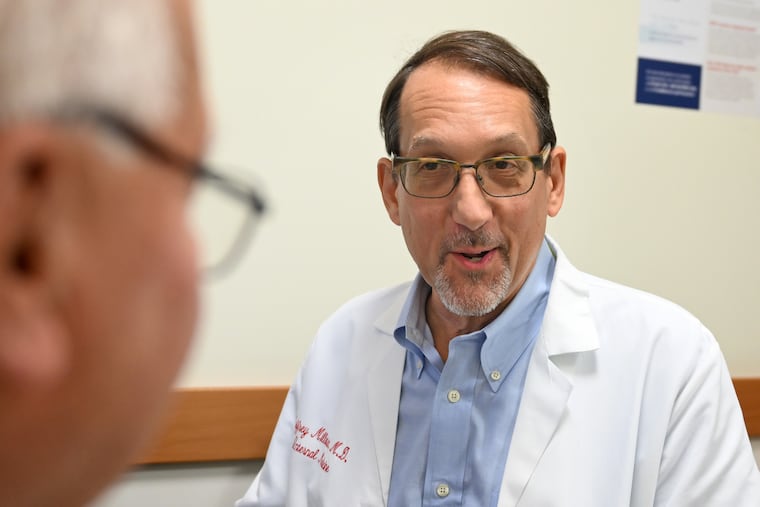
Dr. Lewis Rose is a medical oncologist at Nazareth Hospital.
Read more Diagnosis: Cancer here »