Penn State investigator is ex-exec at firm with PSU ties
Louis Freeh, tapped to investigate the Penn State scandal, spent five years as a top executive at MBNA, which counted Penn State among its biggest customers
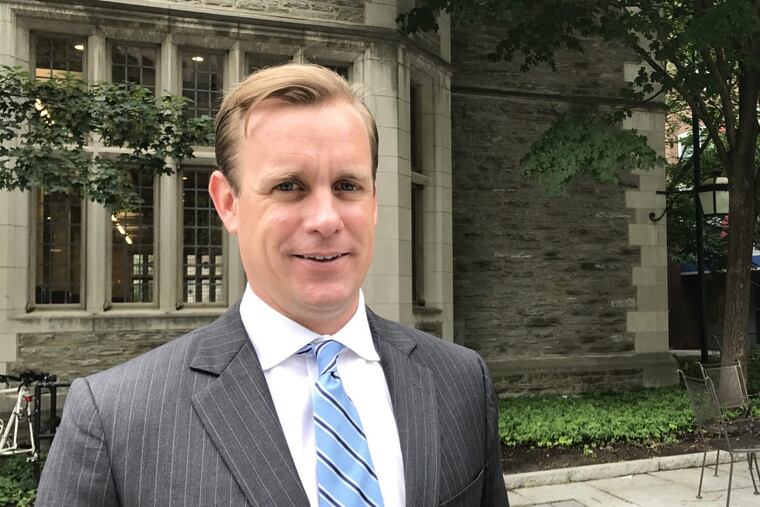
Louis Freeh, the man hired by Penn State University to run "an independent investigative review into all aspects of the University’s actions with regard to the allegations of child abuse" by Jerry Sandusky, spent five years and collected millions of dollars as a senior executive of a big financial company that enjoyed a long-running business relationship with Penn State, its alumni association and Sandusky's boss, former football coach Joe Paterno.
Struthers, later head of Bank of America's credit card unit, is the highest-profile national businessman on the board of Sandusky's Second Mile Foundation, which a Pennsylvania grand jury report alleged Sandusky used to find abuse victims. A Penn State spokeswoman referred questions to the board's special committee for the investigation.
"Judge Freeh has no previous personal connection to Penn State University," says Jeremy Fielding of Kekst & Co., the New York public relations company hired by the board and its special committee examining the scandal. "Prior to its acquisition by Bank of America in 2006, MBNA entered into many commercial agreements with third parties. In his role as General Counsel of MBNA, Judge Freeh had no role in negotiating the company’s agreement with Penn State University which was entered into many years before Judge Freeh joined MBNA. The investigation will be completely independent.”
Freeh also served on the board of Fannie Mae before it was taken over by the federal government due to its insolvency in 2008, and on the board of Wilmington Trust Corp. until it was sold in 2010 after its share price collapsed due to bad real estate development loans in Delaware. Freeh currently serves as a member of the audit committee of Bristol-Myers Squibb Co., the drugmaker.
Struthers, a 1977 Penn State graduate, played a key role in managing the business relationship between the Penn State Alumni Association and MBNA. The bank paid the alumni more than $30 million for its mailing lists and other marketing aid in its credit card solicitation campaigns from 1994-2010, as I reported in this space last year after the university was forced to disclose the payments by a change in federal law.
Struthers collected more than $10 million a year in stock and cash pay from MBNA in the bank's final years; he donated $2 million to Penn State's 2002-05 capital campaign. He held a series of executive jobs at MBNA and ran it with other operations as chief executive officer of the nation's largest credit card operation, after its purchase by Bank of America, until his job was eliminated last year.
Besides paying the alumni group $30 million, "from 1998 to 2002, MBNA also agreed to pay Penn State an additional $500,000 a year to ensure that it didn’t make deals with other banks and that football coach Joe Paterno kept up his end of another MBNA marketing agreement. Terms of Paterno’s deal weren’t disclosed," as I noted in my Philadelphia Inquirer column last year. Struthers didn't return a call to his home.