Texas transplant: Philly homelessness solvable
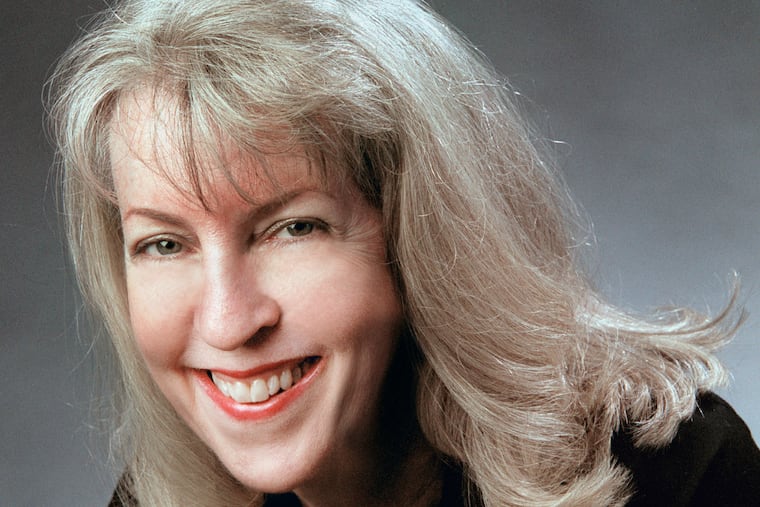
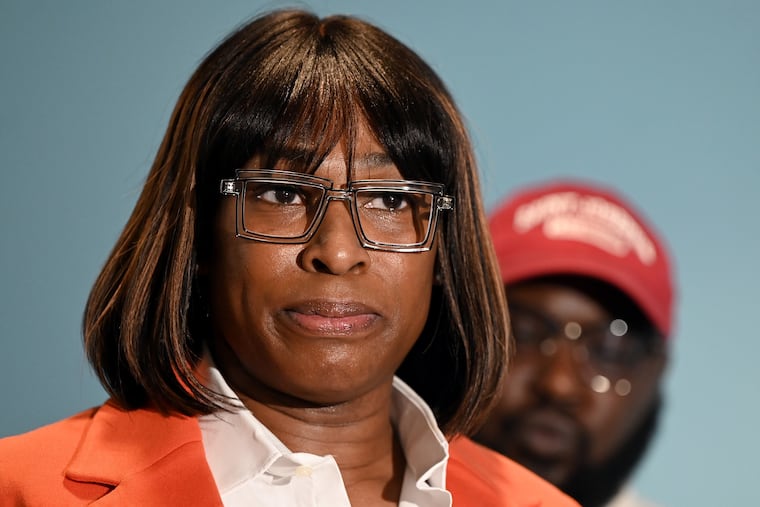
Misty Sparks walks easily along South Street in Philadelphia, stopping en route to a safe haven to say hello to a man sitting on the street. She strides into the safe haven near the Bethesda Project, which provides shelter, housing, and programs reaching out to chronically homeless men and women and comes across one of her success stories.
"How's the new place?" she asks. "How's the job?"
She hears things are going well, and offers words of encouragement. Misty Sparks is small in stature, and her tone is reserved and calm. But the men she talks with feel like she understands them. She looks them in the eye, and makes an effort to connect. And when she talks about ending homelessness in Philadelphia, a fight that has become her life's passion, there is a steely tone in her speech that tells you she knows just exactly where she wants to go, and what she knows we all need to do.
"It's a solvable issue," Misty said. "If we all came together as a city, a state or as a nation we could solve the homelessness issue.
"We can end this. It doesn't need to be this way."
Misty is the director of entry-level programs at the Bethesda Project. She has worked for the Bethesda project for 17 years, holding a number of different jobs. She had no real experience with, or passion for, homelessness until she moved to Philadelphia from Texas in 1997. But when she arrived, Misty saw people living on the street for the first time, the experience was so jarring it became her life's work.
"Before I came to Philly I had no experience with homeless people," she said. "I was never exposed to them before — and that changed right after I moved here."
Misty began volunteering at a safe haven homeless shelter for women and her interest soon became her passion.
Starting as a volunteer, Misty eventually became a case manager and then a program coordinator. In 2006 she designed a program called the Café Winter Initiative Program that ran from November through April and worked primarily to give people experiencing homelessness a warm place to sleep during the winter. During the first night it was open it housed a single person, but word quickly spread, and by the end of the first week its population was at capacity and has been ever since. The Café is not only a warm place to spend the night but it also provides support with staff members who are always willing to provide one-on-one time with those who may want it. The Café has a drug- and alcohol-free policy, and in doing so has established a safe environment for the residents. Misty became the director of entry-level programs at the Bethesda Project, and currently operates multiple housing arrangements.
Misty has become known among the homeless community for being a helpful advocate, and in making sure that the people she works with do not fall back off the radar. Since she operates multiple living spaces, she is well known throughout the homeless community and is very highly regarded. She also connects with them one-on-one and sets them up with helpful resources such as employers.
Misty has helped hundreds of people into permanent housing, with grassroots, guerilla outreach. Everyone on the street, it seems, knows her. For Misty's tireless advocacy for people experiencing homelessness, she was honored with a 2014 Steppy Award by One Step Away as one of Philadelphia's heroes for the homeless.
"The more you know about her, the more you understand how deserving of this award she is," said Michele Howard, a Bethesda Project volunteer.
Misty works with the homeless community in part because of a lack of opportunity she had growing up and believes that this is due to a flawed system.
"Opportunity needs to be more equal, and these homeless people have an overwhelming lack of opportunity," Misty said. "The reason people give up so often is because they have to continue to work with a system that has never been kind to them in the past.
"I don't give up on people. I think that the hardest part of my job is when people start to give up on themselves."
Misty said another challenge that people face is that they are often classified as addicts or as criminals, and this generalization negatively impacts people and makes them even less likely to bounce back.