Hayes: Why can't people understand what anthem protests are about?
Incredibly, more than a month after Colin Kaepernick began his protest during the playing of the national anthem, people remain unclear about the purpose of the protest.
At least they say they're unclear. More likely, they just don’t listen. Or, most likely, they’re lying.
Kaepernick and the legions of athletes who have followed clearly have stated their goal. Simply, they want to heighten awareness and create constructive dialogue concerning a specific social injustice. They perceive an epidemic of violence by police toward blacks, especially black men, and consider the procedures and results of punishments to be insufficient.
They want to turn up the volume so solutions will be sought with greater urgency.
Why is that so hard to understand?
You might disagree with their perspective that the issue is at crisis level. You might consider their methods unsavory. But the purpose is starkly clear. They want you to talk about it and to care about it.
So, please, no more deflection. No more questioning the method of protest so you can ignore the message. No more playing dumb.
Certainly, ultimately, logically, they want more. As young men and women with expertise in a specific form of entertainment, they largely are unequipped to achieve these ends. That doesn’t mean they shouldn’t demand them or don’t deserve them.
They want to spur change so that when they see police encounter them and their family and their friends their bowels don’t turn to water.
They want all officers to be better trained, more professional, less confrontational.
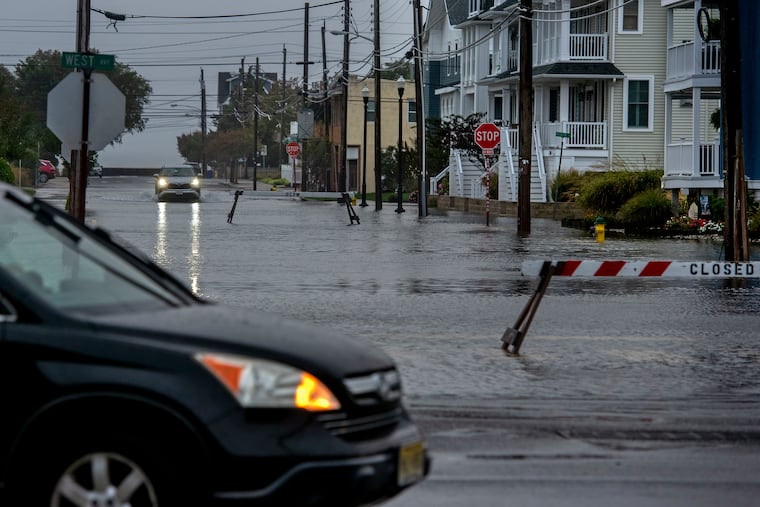
They want incidents like the death of Terence Crutcher in Tulsa, Okla., on Friday to be eradicated. Unarmed, Crutcher, 40, was shot and killed by police, whom he never appeared to provoke.
They don’t want to be living on Tulsa time. They want Ferguson, Mo., and Staten Island to never have happened. They want to keep their hands down and to breathe easy.
They understand there always will be bad apples and unfit officers in police departments but they want the unfit cops weeded out sooner. They want more stringent deterrents, so cops think twice before acting. They want the burden of proof to be less demanding and they want harsher penalties for officers found guilty of any abuse of power.
They do not want vigilantes bent on revenge. They don’t want cops shot by angry black men; neither in Philadelphia, which is what happened in January, nor in Dallas, which is what happened in July. That only increases tensions. It also inevitably means the demise of another black man.
This climate of anxiety and anger is why Kaepernick began the protest. It is why he has continued it despite receiving death threats, he said Tuesday.
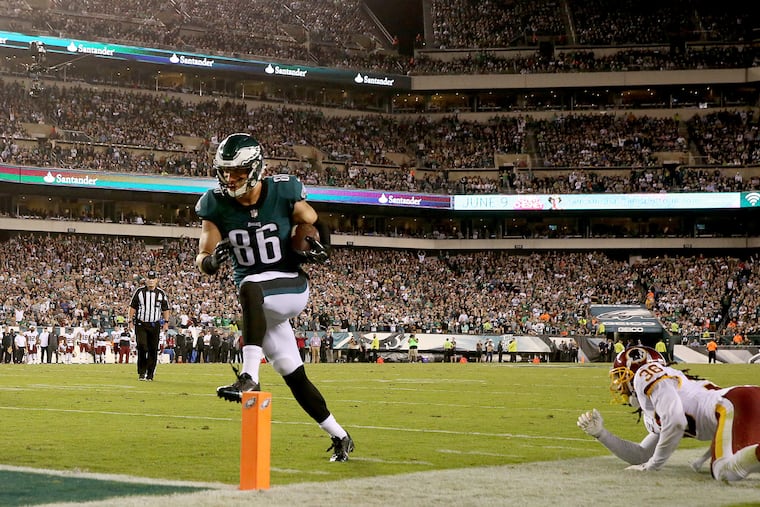
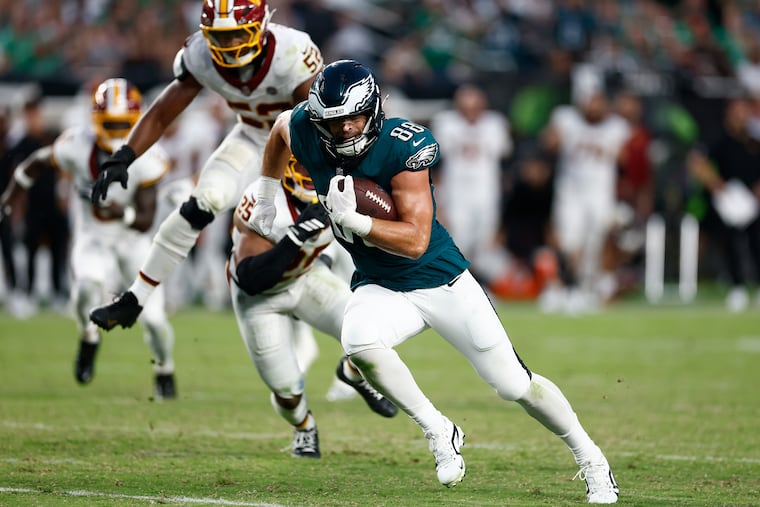
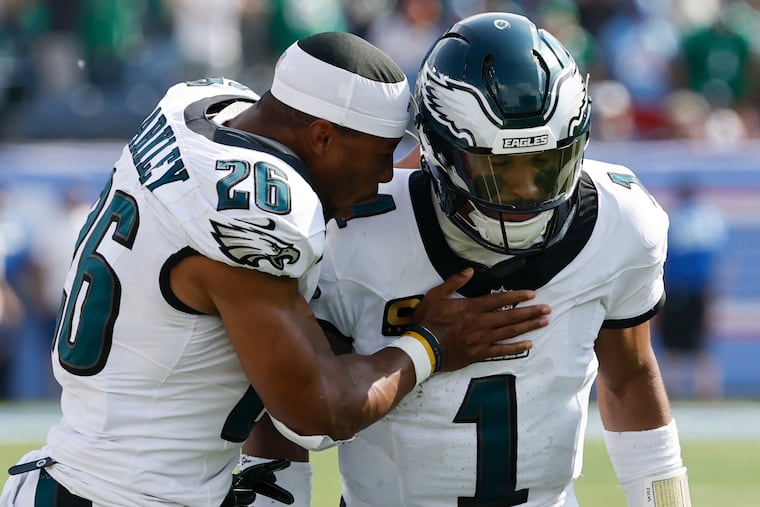
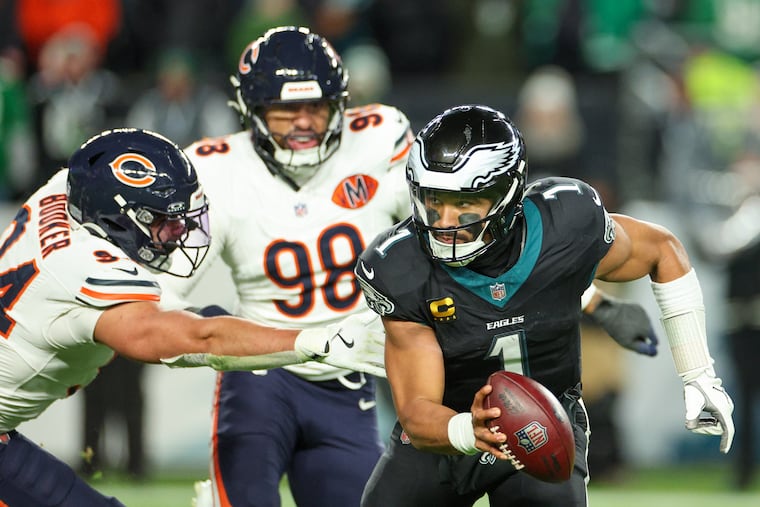
It is why 49ers teammates joined, along with other NFL and prep and college players and Team USA soccer star Megan Rapinoe, who is white. It is why Malcolm Jenkins and three other Eagles joined Monday night in Chicago.
Jenkins is better equipped than most to understand the issues in totality; the brutality and the suffocating economic barriers and, ultimately, the massively profitable industry of incarceration. Jenkins began to discuss the issue with Philadelphia police this summer, long before the Kaepernick show began.
Again, none of these athletes pretends to have simple answers to these complicated problems, nor should they be expected to have them.
They are painfully young. We forget that. Kaepernick and Jenkins are 28.
They are not social scientists or psychologists or politicians. They are unsophisticated in the art of protest and the business of government.
They are just normal people who have abnormal jobs; concerned citizens who see something wrong and want it righted. Some have a very high profile. Some have virtually no profile.
All have one objective: constructive conversation among the people so the social scientists and the psychologists and the politicians will bring about change.
All have one, ultimate goal.
Justice.
It cannot be made any clearer.
Join The Conversation
Community Guidelines
Marcus Hayes | Columnist
As It Happened · Eagles
Mia Messina
David Murphy | Columnist
Associated Press, Associated Press