HIS CAREER IN ART THEFT
Lawyer Robert Goldman specializes in recovering stolen art, cultural treasures, historical pieces.
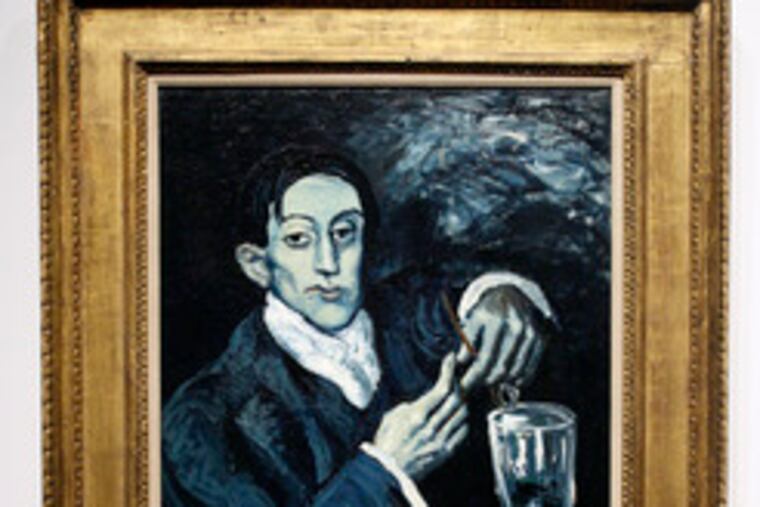
Most people think of art theft as a spectacular break-in at a prominent museum, a Hollywood thriller with debonair, David-Niven-style actors cavorting in tuxedos as they duck out of oh-so- soigne cocktail parties to do the crime, returning just in time to preserve their cover stories.
"You see, officer, I really couldn't have had anything to do with the theft because I was having drinks at Lady Sniven's Friday night," the thief explains.
But art lawyer Robert Goldman knows better.
The real world of art theft and fraud is a bit more down and dirty, often haphazard, and likely far more lucrative. Oh, sure, there is the big museum heist now and then involving well-known pieces of incalculable value.
But those works are so hot that there is no way to unload them without being promptly collared. Even if the incompetent thief finds a way to sell them, such works bring only pennies on the dollar because of the risk.
"That's atypical," said Goldman of the spectacular art crime. "Usually, it is stuff just walking out the back door."
Goldman, a former assistant U.S. attorney, is one of a handful of lawyers in the United States and Europe who focus on the recovery of stolen art and historical pieces.
Since joining the Philadelphia-based firm of Fox Rothschild L.L.P. last year, Goldman has represented clients on matters ranging from the search for a stolen collection of Flemish masters, likely valued in the tens of millions; a purloined, historically significant letter to Lincoln; and a dispute between a client and an auction house over the authenticity of a Revolutionary War-era portrait.
With so much hedge fund money chasing valuable pieces, and art values skyrocketing as a result, it is an expanding area of law that is attracting ever-growing numbers of practitioners.
Adding intensity to the issue are fresh efforts by foreign governments to reclaim artwork and antiquities that they argue were improperly taken from archaeological sites during times when underdeveloped nations could not protect their own cultural treasures. Targeted as well are pieces stolen by the Nazis during World War II and, later, by the Soviets.
"We are seeing this [increased need for legal services] because of the repatriation efforts," said Ward Bowers, an analyst at Altman Weil Inc., the legal-consulting firm based in Newtown Square. "All sorts of people are coming out of the woodwork claiming stuff was taken by the Russians or the Germans. Both buyers and sellers want to make sure that they are protected."
Goldman, 54, a devotee of Teddy Roosevelt who himself sports a Roosevelt-style mustache, found his career path a bit circuitously. He went to work for the Bucks County District Attorney's Office after graduating from law school in 1977, where he tried murder cases and other criminal matters.
Eight years later, he was hired by then-U.S. Attorney Ed Dennis in Philadelphia, where he first focused on white-collar and organized crime. His biggest case was the prosecution of a Lancaster-based company for illegally shipping weapons components to the apartheid government of South Africa.
It was in his role as a federal prosecutor that Goldman forged a lasting professional and personal bond with Robert Wittman, an FBI agent who is one of the nation's preeminent experts on art theft and prosecutions. The two first worked together in 1988 on the successful recovery of a bronze sculpture by Rodin called Jean d'Aire, taken from a closet at the University of Pennsylvania by a part-time maintenance man.
They then went on to investigate and prosecute a series of high-profile art crimes and thefts of historically significant objects, including the burglary of dozens of items from Pennsbury Manor, the rebuilt summer home of William Penn; frauds perpetrated by the former Antiques Roadshow personality Russ Pritchard 3d and others; and the theft of a ceremonial gold armor piece looted from an architectural site in Peru.
The piece was smuggled into the country by a Panamanian diplomat in a diplomatic pouch. The FBI pounced when the diplomat showed up with two accomplices to sell the piece to Wittman posing as an unscrupulous buyer.
The recovery gave Goldman and Wittman something approaching celebrity status in Peru for a time.
In 2005, the Justice Department, pleased with the results of Goldman and Wittman, established an art-crimes unit and made Goldman its senior trial lawyer, with authority to prosecute cases anywhere in the country.
Goldman left the Justice Department last year, after senior prosecutors in the U.S. Attorneys Office in Philadelphia told him that they wanted him to stick to cases in the eastern district of Pennsylvania. As a practical matter, that meant he would be focusing less on art crimes.
For Goldman, a lover of history and art who spent much of his youth wandering through the Mercer Museum in Doylestown, where he grew up, that was too much to ask.
"I saw the handwriting on the wall. As I was doing this sort of work, my ability [to do it] was starting to diminish," he said.
Goldman, who lives with his wife on a 30-acre horse farm in New Britain Township just north of Doylestown, thought he could make a go of it in private practice. He pitched several firms on the idea of developing an art practice. Only Fox Rothschild liked the idea enough to offer to hire him and make him a partner with that focus.
It was a bit of a gamble for both Goldman and the firm, because Goldman did not walk in the door with an instant client list, only his expertise. To help pay the bills, Goldman also handles white-collar defense cases.
He also has been making the rounds of domestic and international conferences on art theft, and advises museums on how to better protect their collections.
But with clients' ability to seek Goldman out on the Web, there has been no shortage of art cases.
In the last year, he helped a Philadelphia art collector negotiate the return of a painting initially represented as the work of leading Revolutionary War-era artist Gilbert Stuart, best-known for his portraits of Washington.
The collector learned after the sale that the painting had been sold at an earlier auction as the work of another less-important artist, raising doubts about its provenance.
Goldman helped the collector get her money back.
He also is working for a Boston client seeking the return of dozens of Flemish masters paintings stolen from his father in Belgium during World War II. The collection is likely worth tens of millions of dollars, Goldman said.
At the same time, he is representing a Kansas man seeking the return of a letter written by his great-great-grandmother to Abraham Lincoln, advising him during one of his political campaigns to grow a beard because she felt it would make him more attractive.
Goldman says the letter is historically significant because historians believe Lincoln was influenced by it: He began growing a beard shortly after receiving the letter.
Goldman estimates its value at more than $100,000.
With the market for art and historically significant objects so hot, and the incentives for thieves so enticing, it would appear the opportunities for legal wrangling are likely to grow.
"Why is there so much art theft right now?" asks Goldman rhetorically. "It's not so much that criminals like art. Criminals gravitate to wherever the money is."