U.S. economy expanded 4% in 2d quarter
The U.S. economy had a strong revival in the spring, a government report released yesterday showed, although growing troubles in housing and credit markets have darkened prospects considerably since then.
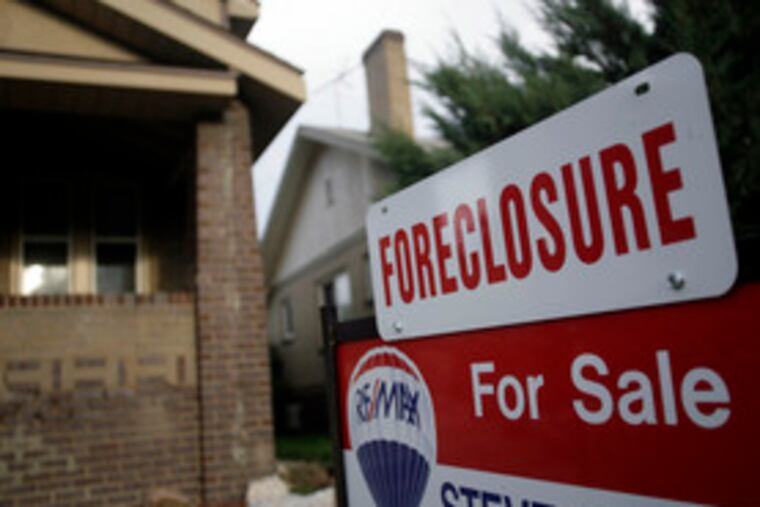
WASHINGTON - The U.S. economy had a strong revival in the spring, a government report released yesterday showed, although growing troubles in housing and credit markets have darkened prospects considerably since then.
The Commerce Department report said the gross domestic product - the broadest measure of the nation's economic health - expanded at an annual rate of 4 percent in the April-to-June quarter. That was its strongest showing in more than a year, and was considerably higher than the estimate of 3.4 percent growth for the quarter made a month ago.
The improved performance reflected higher activity in such areas as international trade and business investment, offsetting a continued plunge in housing construction.
But that growth could be the best showing for some time as the economy continues to be battered by the worst housing slump in 16 years and a widening credit crisis that has sent financial markets on a roller-coaster ride in recent weeks.
Many economists said they expected growth to slow to about 2 percent in the current quarter, and perhaps dip below 2 percent in the final three months of this year, as the effects of the market turbulence take more of a toll on consumer and business confidence.
But analysts said they still believed the current economic expansion, which will be six years old in November, would not change into a full-blown recession.
"While a recession in the United States is clearly possible, one of the biggest positives going forward is that the rest of the world still looks good, which means we will get continued help from rising exports," said Nigel Gault, chief U.S. economist at Global Insight Inc.
GDP measures the value of all goods and services produced within the United States.
An improved trade performance, representing higher sales of U.S. products overseas and lower imports, was the biggest factor contributing to the second-quarter improvement, adding 1.4 percentage points to the 4 percent growth rate.
Analysts said they also were confident that the Federal Reserve would act in time to ward off a recession by cutting interest rates should current financial troubles intensify.
In a second report released yesterday, the Labor Department said the number of Americans filing claims for jobless benefits rose for a fifth consecutive week, increasing 9,000, to 334,000, last week, its highest level since April.
The 4 percent GDP growth rate for the second quarter marked a sharp jump from the anemic 0.6 percent pace during the first three months of the year. It was the largest GDP increase since a 4.8 percent growth rate in the first three months of 2006.
Besides an improving trade picture, the faster growth in the second quarter reflected rebuilding of depleted business inventories and double-digit gains in business investment in offices, shopping centers, and other nonresidential projects, as well as big increases in purchases of equipment and software.
Consumer spending, which accounts for two-thirds of total economic activity, did show a marked slowdown in the second quarter, growing at an annual rate of 1.4 percent, less than half the first-quarter increase.
To see the full report on the gross domestic product, go to http://go.philly.com/ECON31 EndText