Sales, oil prices surge
WASHINGTON - Retail sales blew past economists' forecasts in September, the Commerce Department reported yesterday, reducing concerns that a housing-fueled consumer slowdown might drag the U.S. economy into recession.
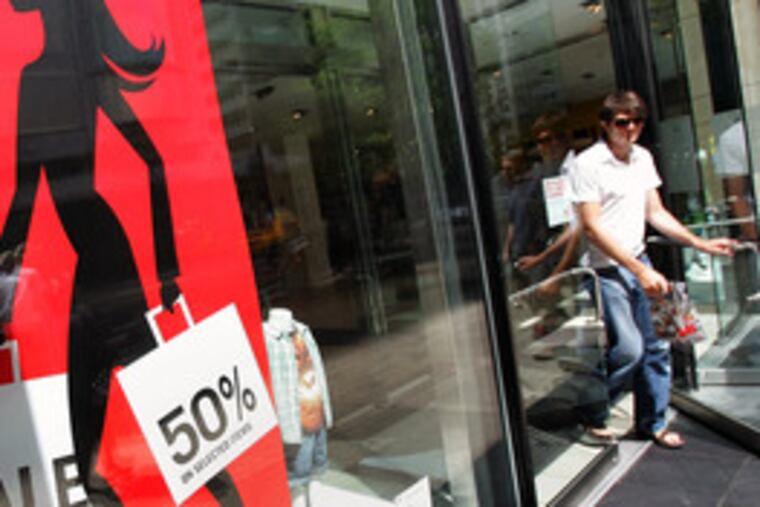
WASHINGTON - Retail sales blew past economists' forecasts in September, the Commerce Department reported yesterday, reducing concerns that a housing-fueled consumer slowdown might drag the U.S. economy into recession.
The 0.6 percent increase in sales last month was double August's gain and three times the size predicted by analysts in a Bloomberg News survey. The September increase was helped by a big rise in auto sales, which helped offset weak clothing sales.
A second report issued yesterday showed a surge in wholesale gasoline prices that pushed inflation higher. The Labor Department said wholesale inflation rose 1.1 percent in September, the biggest increase in seven months, as gasoline costs shot up 8.4 percent, the biggest gain since March.
The 1.1 percent rise in wholesale inflation, which followed a 1.4 percent drop in August, was more than double what economists had been expecting.
However, outside of energy and food, so-called core inflation remained well contained, rising just 0.1 percent.
The big hike in wholesale gasoline costs may signal a coming increase in the prices motorists pay at the pump, which have been remarkably stable in recent weeks.
With consumer spending, the economy's main growth engine, continuing at a solid rate, some analysts said the chance was decreasing that the Federal Reserve would cut interest rates again when it next meets on Oct. 30-31.
Others said an October rate cut was still possible because they viewed yesterday's data as sending a mixed message about the strength of the economy and the threat from inflation.
The 0.6 percent jump in retail sales was heavily influenced by special factors such as the rise in gasoline costs, which boosted sales at service stations, and a 1.2 percent increase in auto sales.
The report showed sales at department and clothing stores fell during the month as warmer-than-normal weather in September kept consumers from buying fall clothes. That was in line with reports Thursday from the nation's big chain stores, which reported disappointing sales results in September.
Another report yesterday showed that consumer confidence, as measured by a University of Michigan survey, dropped to 82.0 in early October, the lowest level in more than a year.
Even with the rebound in the stock market after big declines caused by credit-market turbulence in August, analysts said consumers remained cautious given various adverse forces, such as rising energy costs and a steep downturn in housing.
"Consumers are likely to become increasingly cautious going forward," said Mark Zandi, chief economist at Moody's Economy.com in West Chester, Pa. "The housing downturn is intensifying, with falling home values in much of the country; the job market is softer; and gasoline prices remain high."
Zandi said that, while the economy likely grew by a hefty 3.3 percent in the just-completed summer quarter, growth probably would slow to about half that in the current quarter. "Consumers are still spending and contributing to economic growth, but they are not shopping with as much passion as before," Zandi said.