Oil giants, with lots of cash, out to buy small producers
HOUSTON - Big Oil is set to spend billions on exploration in 2009, but it won't all be used in ocean beds thousands of feet below the water's surface.
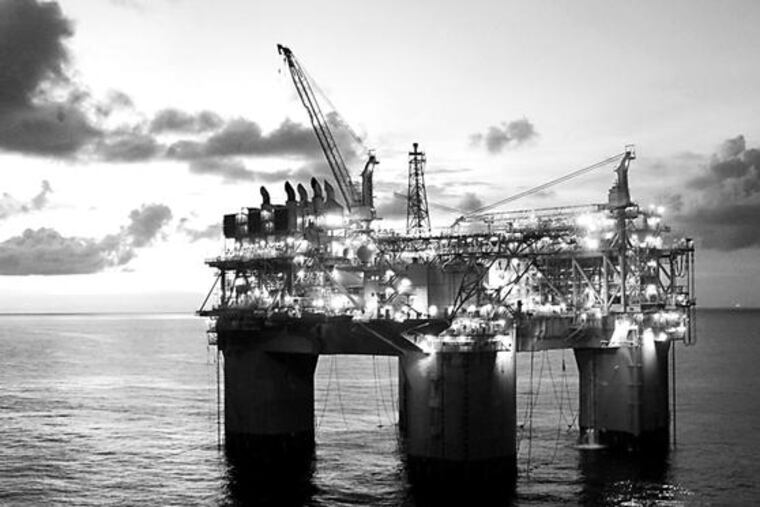
HOUSTON - Big Oil is set to spend billions on exploration in 2009, but it won't all be used in ocean beds thousands of feet below the water's surface.
Some of the funds will be used for corporate acquisitions: Major oil producers, sitting on enormous piles of money, already are surveying the balance sheets of vulnerable companies in the sector.
The cash stash comes after these companies posted record profit in recent quarters. At the same time, crumbling stock and crude prices have made many smaller oil and gas companies potential takeover targets.
The disparity in the energy sector comes as Exxon Mobil Corp., BP P.L.C., and other oil giants find it increasingly difficult to secure new sources of fossil fuels the old-fashioned way - exploring and drilling for them.
Smaller producers that do not have the same massive capital reserves have been stung by a credit crisis that has severely limited or even paralyzed their ability to finance new exploration and production.
"You have a lot of smaller producers with a lot of property, but many are constrained right now," said Brian Youngberg, an energy analyst at St. Louis brokerage firm Edward Jones. "Then you have the major integrated companies with deep pockets that could potentially buy these reserves at relatively attractive prices. You're probably going to see this happen as we move through 2009."
In the long run, consumers could benefit if the deep-pocketed majors step in and finish some projects that might otherwise go undeveloped by smaller, struggling producers. Increased production puts downward pressure on prices.
No one predicts the megadeals of the late 1990s, when oil fell to near $10 a barrel and the corpoarte marriages included Exxon and Mobil and BP and Amoco, creating today's behemoths. But observers say consolidation is inevitable given the enormous stockpiles of capital at the ready, paired with the bargain prices for some companies.
Exxon Mobil, the world's largest publicly traded oil company, said recently that it had $37 billion in available cash.
At the same time, the economic downturn and a significant drop in commodity prices have erased huge chunks of market value for other energy companies, including independent producers of oil and natural gas with rights to potentially oil-rich tracts of land and sea.
Independents concentrate solely on exploration and production, forgoing refining and marketing operations. Among those mentioned by analysts as possibly appealing to larger rivals are Apache Corp., Devon Energy Corp., and Chesapeake Energy Corp.
BP, Europe's second-largest oil company, said in September that its U.S. arm planned to buy a 25 percent stake in Chesapeake's Fayetteville Shale assets in Arkansas for $1.9 billion. A month earlier, BP said it had bought similar Chesapeake assets in Oklahoma for $1.7 billion.
But Youngberg and other analysts say the oil giants are likely to proceed cautiously given the uncertain economic times and potential for a prolonged recession that has already slashed energy demand.