This interview with Antonio Giordano had the wrong location for Cold Spring Harbor Labs. It is in Cold Spring Harbor, Long Island, N.Y., and not associated with Indiana University.
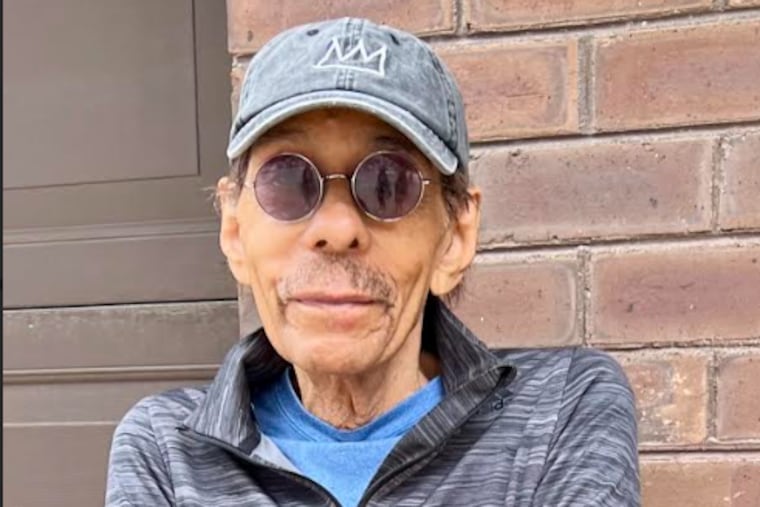
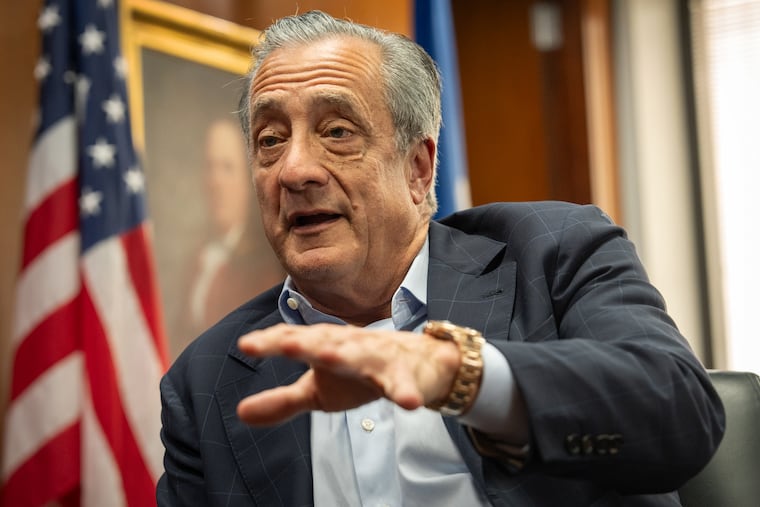
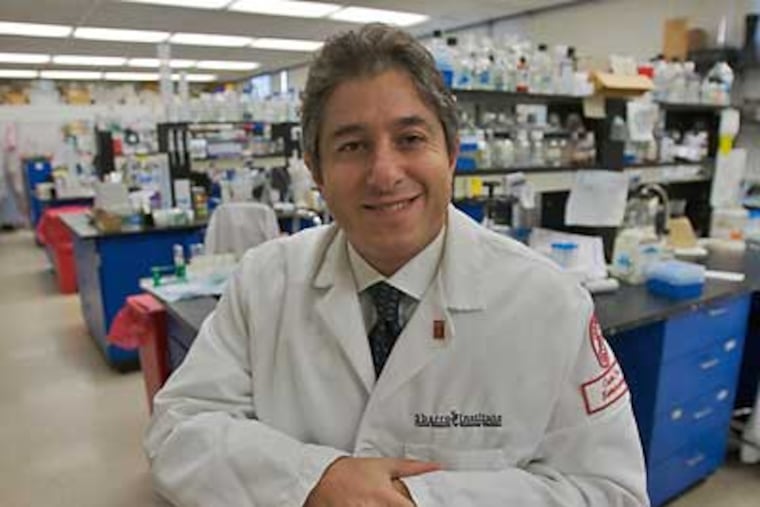
As a young scientist, Antonio Giordano wanted to pursue his own research interests, so he did the less-than-obvious: He chased down pizza magnate Mario Sbarro and begged him for money.
After a year of long walks and talks, Sbarro, who founded the pizza chain of the same name, gave Giordano $1 million in 1993 to start what is now the Sbarro Health Research Organization at Temple University.
Since then, Giordano has raised $30 million from federal grants and private donations and won 12 patents.
In a world in which most funding comes from pharmaceutical companies or from the federal government, marrying molecules and mozzarella was a novel idea, though hardly Giordano's first. He also discovered a gene that suppresses tumors, and a type of protein that may mark tumors.
Giordano's vision extends beyond the walls of his Philadelphia lab. Italy has birthed some of the world's great scientists - da Vinci, Galileo - but has not led the field for centuries. By financing research there, Giordano hopes to resurrect his native country's scientific heritage, one reason the project appealed to Sbarro.
Giordano, who was born in Naples, also hosts Italian scientists in Philadelphia, because there are so few jobs at home. His group totals 100 scientists, 60 of them in Philadelphia, focusing on cancer and cardiovascular research.
Question: Where did you grow up and what was your family like?
Answer: I grew up in Naples. My father was a physician and oncologist at the University of Naples and at the National Cancer Institute of Naples.
Q: How did you get to the United States?
A: After I got my degree, I came to work at Cold Spring Harbor Labs with the father of genetics, James Watson. I worked in one of the programs there, dealing with the cell-division cycle. That work led to the discovery of a protein that plays an important role in the cell cycle of cancer.
Q: How did you think of asking Sbarro for money?
A: During my tenure at Cold Spring Harbor, I met also Mario Sbarro. I love to do research, and I realized how difficult it was for young researchers to get funding. I also wanted an organization that could allow scientists to be independent both in terms of funding and academic structure.
Sometimes, academic structure can delay programs because of funding limitations and sometimes because of organizational politics.
Q: Why did you decide to bring Italian scientists here?
A: In Italy, we have exceptional minds, but we don't have a lot of funding. In the United States, we have funding, but it is very challenging to get scientists.
But bringing scientists here has gotten more difficult in the last eight years because of new Homeland Security regulations. On top of that, the United States has cut funding. Europe and China have increased funding, and many good people left to work in these countries, so now we're competing to get the best minds here.
Q: How are you competing?
A: By having a strong program. Also, scientists' salaries in Italy are much lower. Our program also allowed Americans to go there. That's the secret.
Q: Italy is not a hard-sell with Americans.
A: You are right. This is good. It makes our program more international, and we have been able to maximize our funding investment. We have developed patented technologies for diagnosing cancer and a new therapeutic program for treating cancer. We are doubling our space, currently 8,000 square feet, at Temple.
We are going to develop a stem-cell facility. We also have a successful program on obesity and cancer.
Q: Are those diseases often seen together?
A: Yes. It has been demonstrated that a molecule called leptin can induce growth and transformation of cancer but not normal cells. Leptin stimulates cell invasion and tumor metastasis. Leptin is produced not only by fat cells but also by cancer cells. Cancer cells secrete this molecule in response to obesity stimuli.
If we can decrease the function of leptin, we may be able to create special drugs that could fight obesity, which could be a very strong cancer preventive.
We are also planning to start clinical trials in Italy in 2009 on a test to diagnose lung cancer.
Q: How will that work?
A: The technology is based on two genes that we identified. One is called the Rb2 gene, a tumor-suppressor gene. When this gene is damaged, there is a link with cancer.
We're developing a new sputum test for people we know are susceptible to developing lung cancer. When this gene goes down in expression, the individual is going to develop the disease. Lung cancer is a very aggressive type of cancer. Once it is diagnosed, it is too late.
This test could give the clinician the ability to intervene at a much earlier stage, when the individual is normal but there is clearly a high risk.
Q: Why have you avoided pharmaceutical funding?
A: We avoid purposely the pharmaceutical money. The pharmaceutical industry can influence some of your research. We want the freedom to develop our own ideas and technologies.
Antonio Giordano
Age: 46.
Born in: Naples, Italy.
Lives in: Radnor, with his wife and three children.
Toughest life lesson: Not everybody appreciates your work and what you do, but I am persistent, and I move forward because I want to help people.
Surprising scientific thought: It is probably easier to find a cure for cancer than for the cold because there are so many different types of the adenovirus, which causes colds.EndText